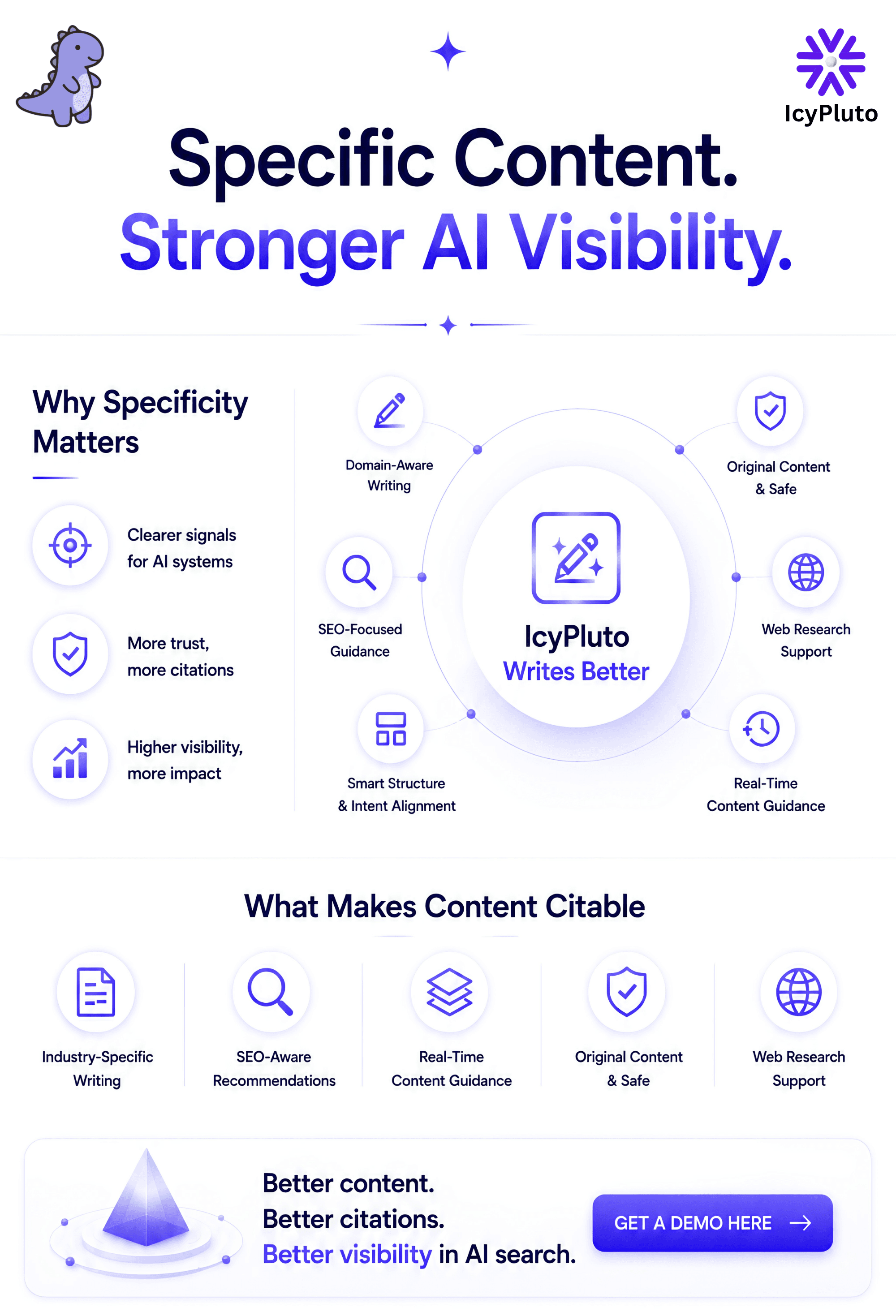
AI SEO writing is getting more specific, and that ...
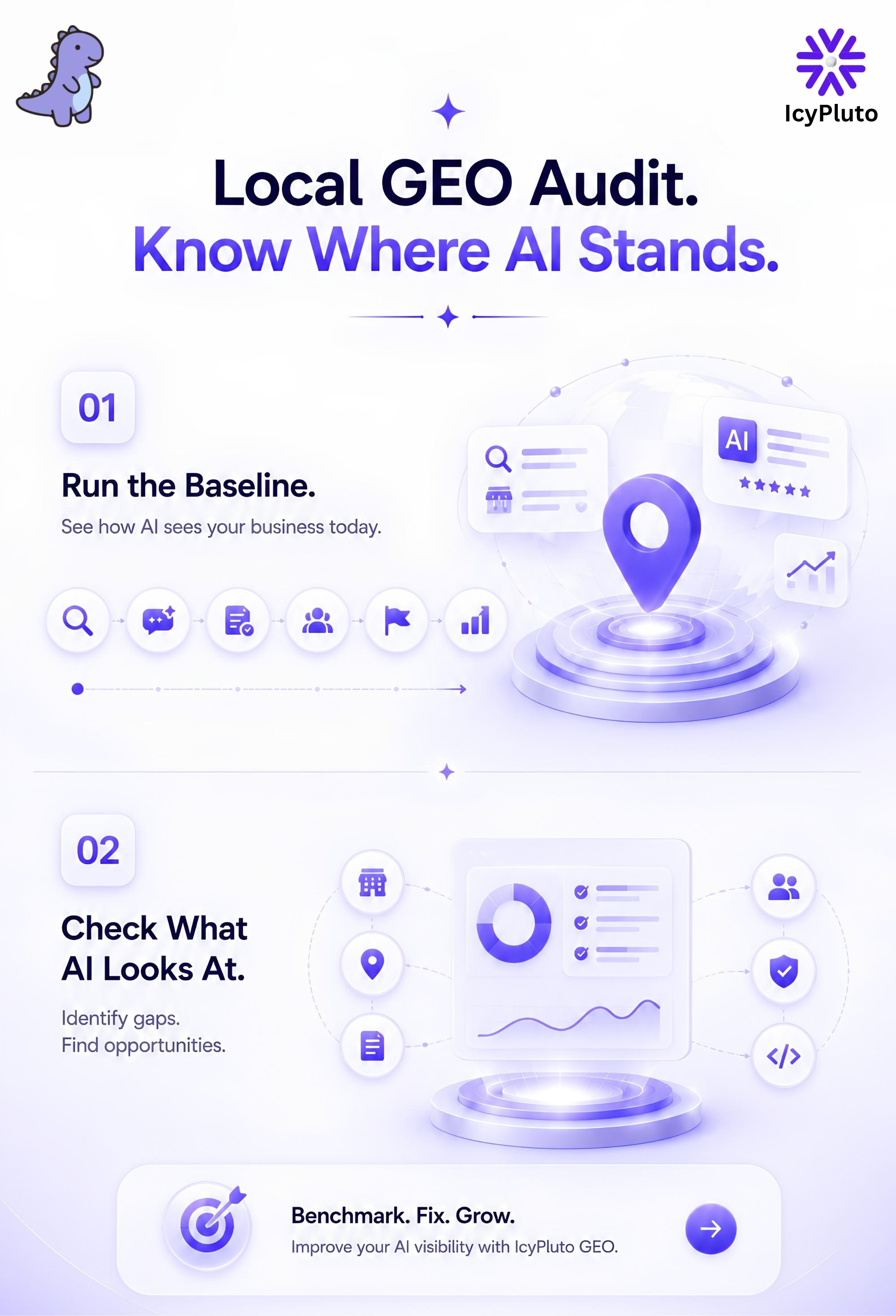
A local GEO baseline audit helps you understand ho...
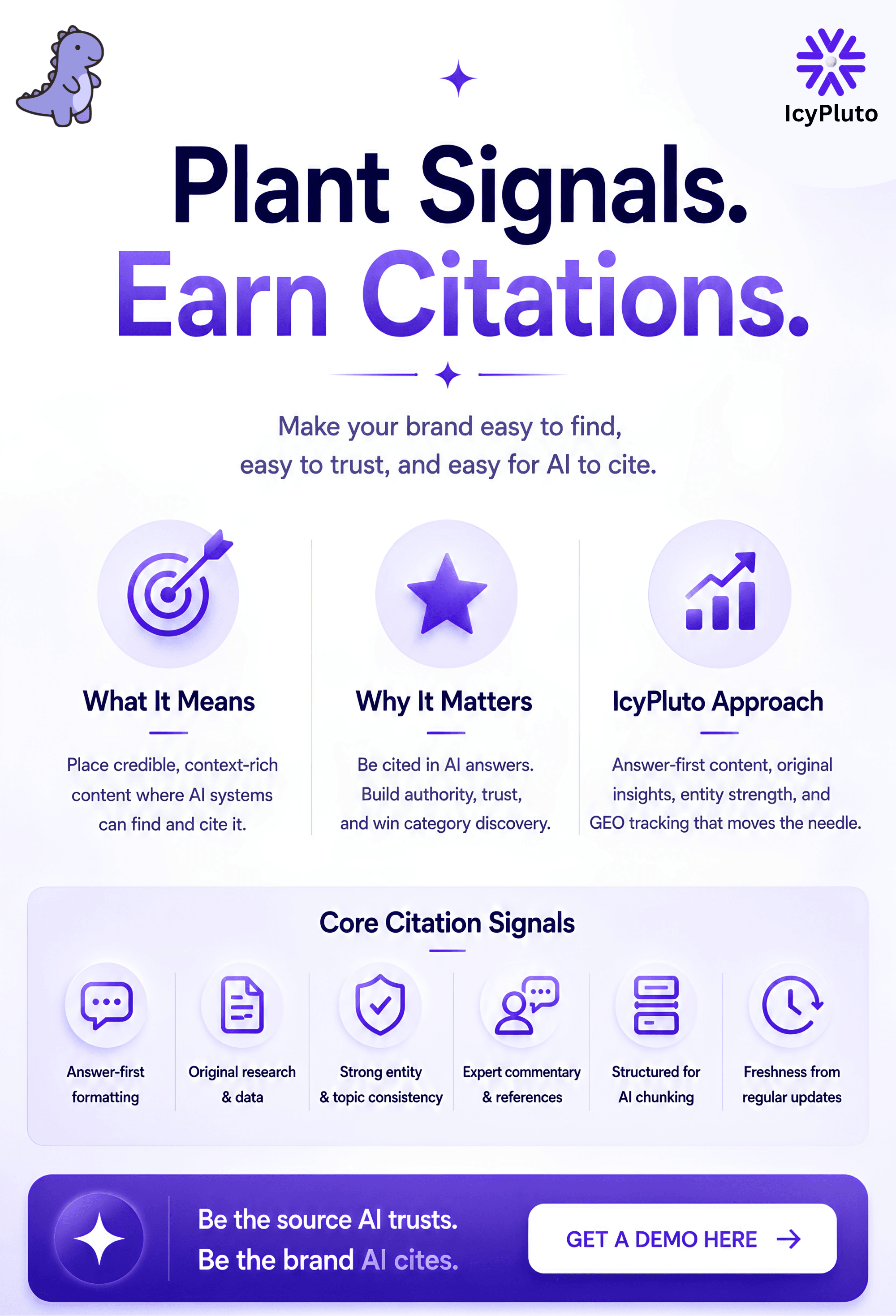
Citation seeding is becoming one of the fastest wa...
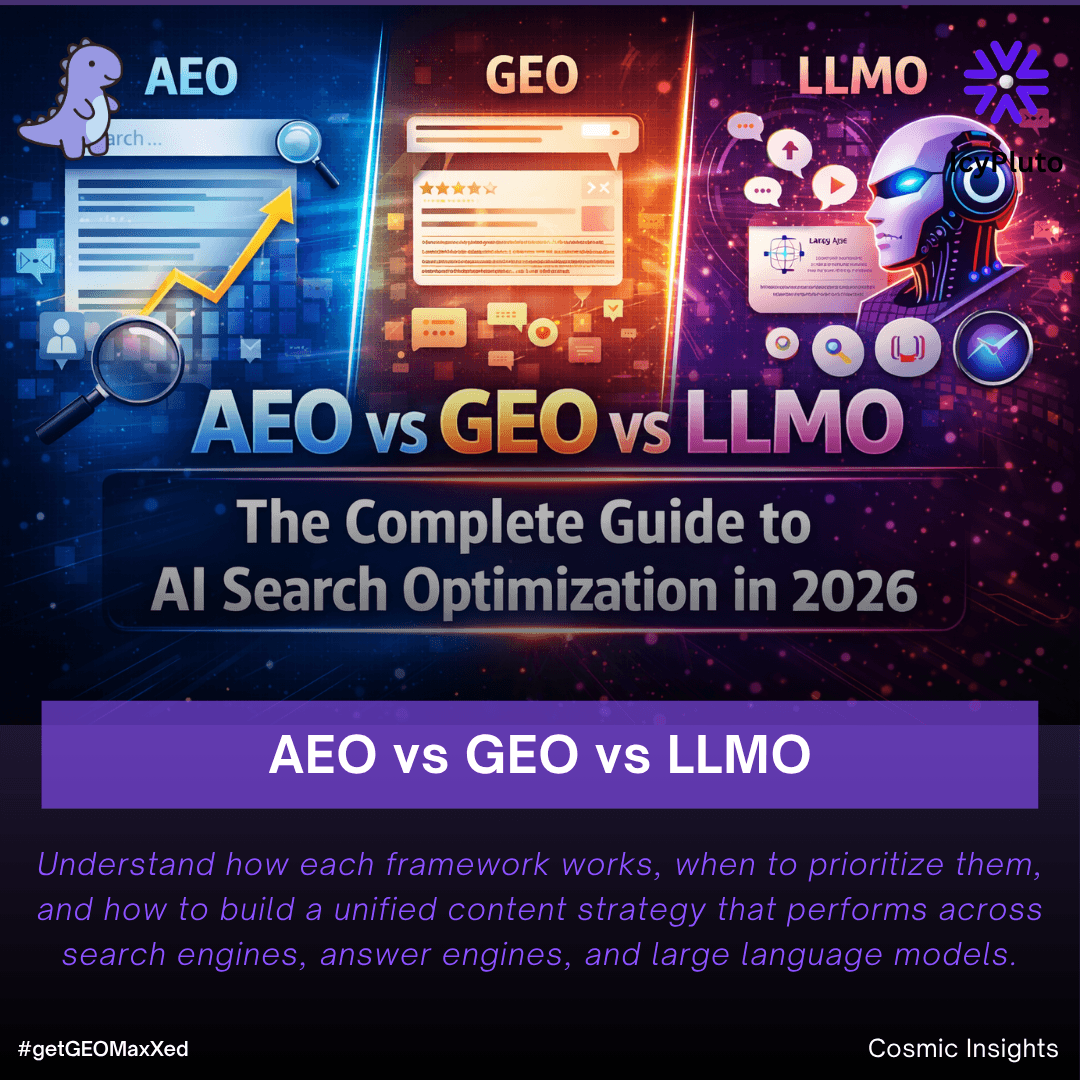
There is a fundamental shift happening in how people discover information online, and it is no longer limited to traditional search engines. Today, users are just as likely to find answers through AI-generated summaries, conversational tools, and intelligent assistants as they are through Google results. Platforms powered by large language models are becoming primary sources of information, and this shift is changing the rules of visibility.
This is exactly why terms like AEO, GEO, and LLMO are gaining traction. They are not buzzwords. They represent three different ways your content gets discovered in an AI-first ecosystem. While traditional SEO still matters, relying on it alone means missing out on visibility across AI-driven platforms where your audience is already searching.
The real opportunity lies in understanding how these frameworks work together instead of treating them as separate strategies.
Before diving into comparisons, it is important to understand what each framework actually does and how it contributes to modern search visibility.
Answer Engine Optimization focuses on structuring content so it can be directly selected as an answer by search engines and AI systems. It evolved from featured snippets, voice search, and question-based queries where users expect quick and precise responses.
Instead of optimizing only for rankings, AEO prioritizes clarity, structure, and directness. The goal is to make it easy for systems to extract the best possible answer from your content and present it instantly.
Generative Engine Optimization is about making your content valuable enough for AI systems to reference, summarize, and cite. Unlike AEO, which focuses on short answers, GEO emphasizes depth, expertise, and credibility.
AI platforms prefer content that demonstrates authority and provides context. GEO ensures your content becomes a trusted source within AI-generated responses.
LLMO focuses on how AI models understand and represent your brand, entities, and expertise. It is not about rankings or even direct answers. It is about shaping how AI systems interpret and talk about your business in conversational responses.
This involves consistent terminology, strong brand signals, and original insights that AI systems can reuse when generating answers.
While all three fall under modern SEO, they serve different purposes within the AI search ecosystem.
AEO is designed for direct, question-based queries where users want immediate answers. GEO supports broader, exploratory searches where users seek a deeper understanding. LLMO operates within conversational AI environments where users engage in ongoing interactions with AI tools.
The way content appears also differs. AEO drives visibility in featured snippets and answer boxes. GEO influences AI summaries and overviews. LLMO shapes long-form responses in conversational tools like ChatGPT and Gemini.
The type of content that performs best also varies. AEO favors structured and concise formats. GEO rewards detailed and research-backed content. LLMO thrives on entity-rich, insight-driven content that reinforces brand authority.
Each plays a different role, but together they create a complete visibility system.
These frameworks are not competing strategies. They function as layers within a unified system that ensures your content performs across all discovery channels.
AEO provides the structure that makes your content easy to extract and present as an answer. It ensures clarity and immediate usability.
GEO builds on that structure by adding depth, research, and credibility. It gives AI systems enough substance to trust and cite your content.
LLMO strengthens everything further by helping AI models understand your brand, expertise, and relevance within a broader context.
When combined, these three layers create a powerful system where your content is not only visible but also trusted and consistently referenced.
The right starting point depends on your business model and growth objectives.
If your strategy relies on capturing high-intent queries and quick conversions, AEO should be your priority. It works best for businesses that answer specific questions and need immediate visibility.
If your focus is on building authority and competing in research-driven industries, GEO becomes more important. It is ideal for long-form content strategies and thought leadership positioning.
If your goal is to influence how AI systems describe and recommend your brand, LLMO should take the lead. This is particularly valuable for brands investing in original research and expertise-driven content.
The key is not choosing one over the others, but understanding where to start and how to expand.
The most effective approach is not creating separate strategies, but building a unified system that supports all three.
Start with strong SEO fundamentals. Your website should be fast, well-structured, and easy to navigate. Without this foundation, no optimization will perform effectively.
Next, structure your content for clarity. Use direct answers, clear headings, and logical formatting. This supports AEO and improves extractability.
Then, add depth and context. Expand your content with research, examples, and insights. This strengthens GEO and builds authority.
Finally, focus on entity clarity and consistency. Ensure your brand, terminology, and expertise are clearly defined across all content. This supports LLMO and improves how AI systems interpret your content.
When these elements work together, your content becomes optimized for every layer of AI-driven discovery.
One of the biggest mistakes is treating these frameworks as separate silos. This leads to duplicated efforts and inconsistent content strategies.
Another common issue is focusing only on keywords without improving clarity and structure. AI systems prioritize meaning, not keyword density.
Many brands also ignore consistency. Without a unified approach, it becomes difficult for AI systems to recognize authority and trust your content.
The solution is simple. Focus on building one strong system instead of multiple disconnected strategies.
AEO, GEO, and LLMO are not replacements for SEO. They are its evolution.
Search is no longer limited to ranking pages. It is about being the answer, being the source, and being recognized by AI systems as a trusted authority.
The brands that succeed in this new environment will not be the ones that optimize for a single platform. They will be the ones that build content systems designed to perform everywhere.
You do not need three strategies. You need one integrated approach that aligns with how modern discovery works.