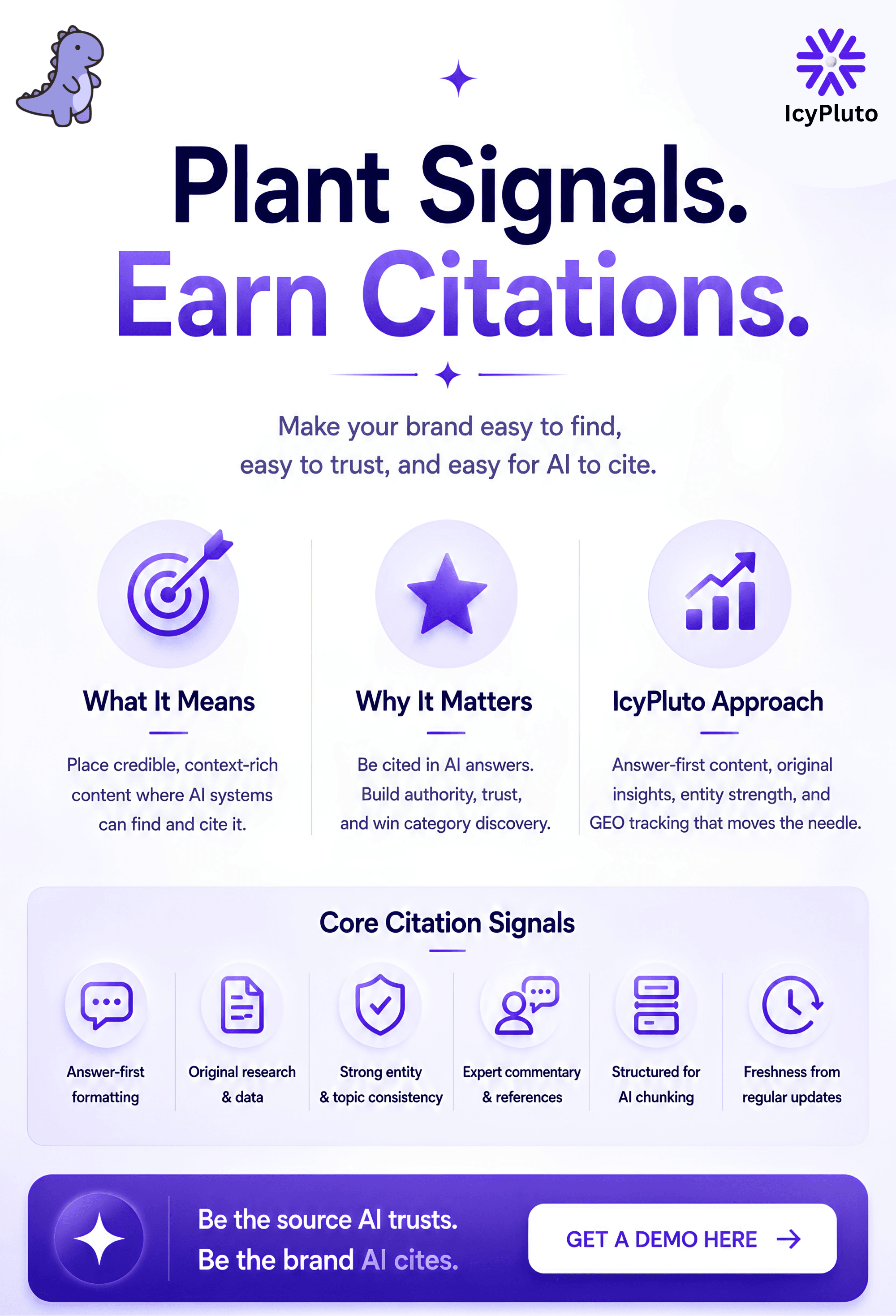
Citation seeding is becoming one of the fastest wa...
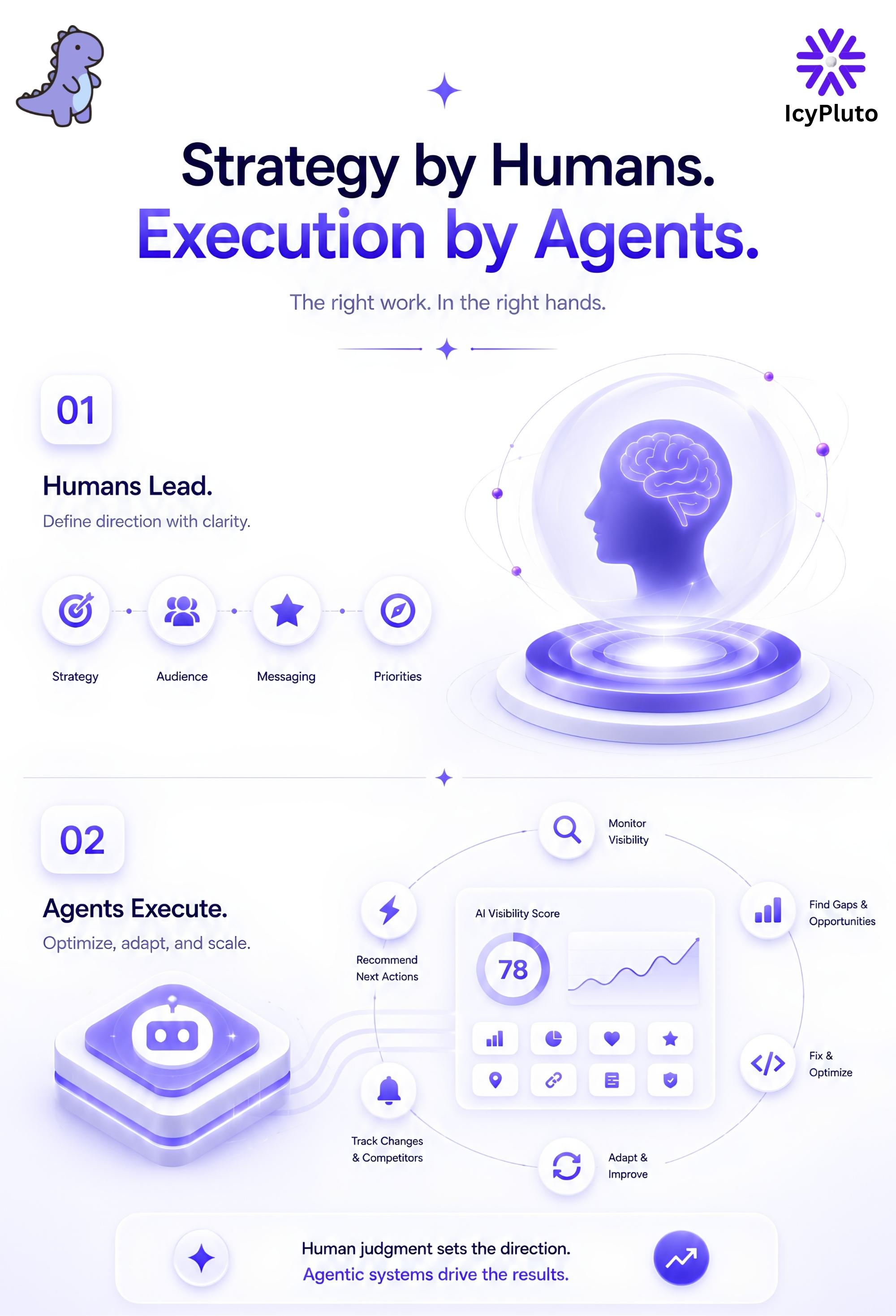
This blog explains how modern marketing teams can ...
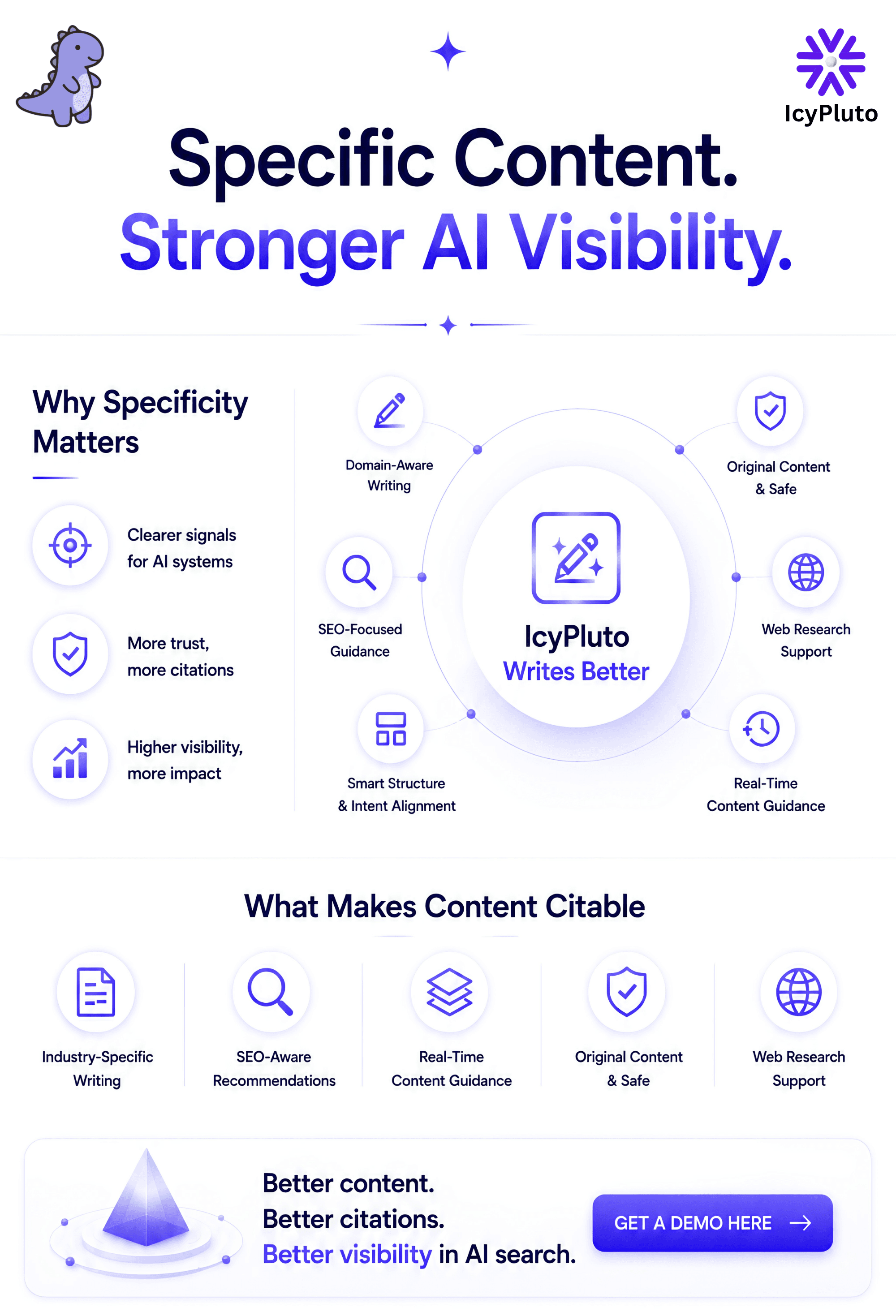
AI SEO writing is getting more specific, and that ...
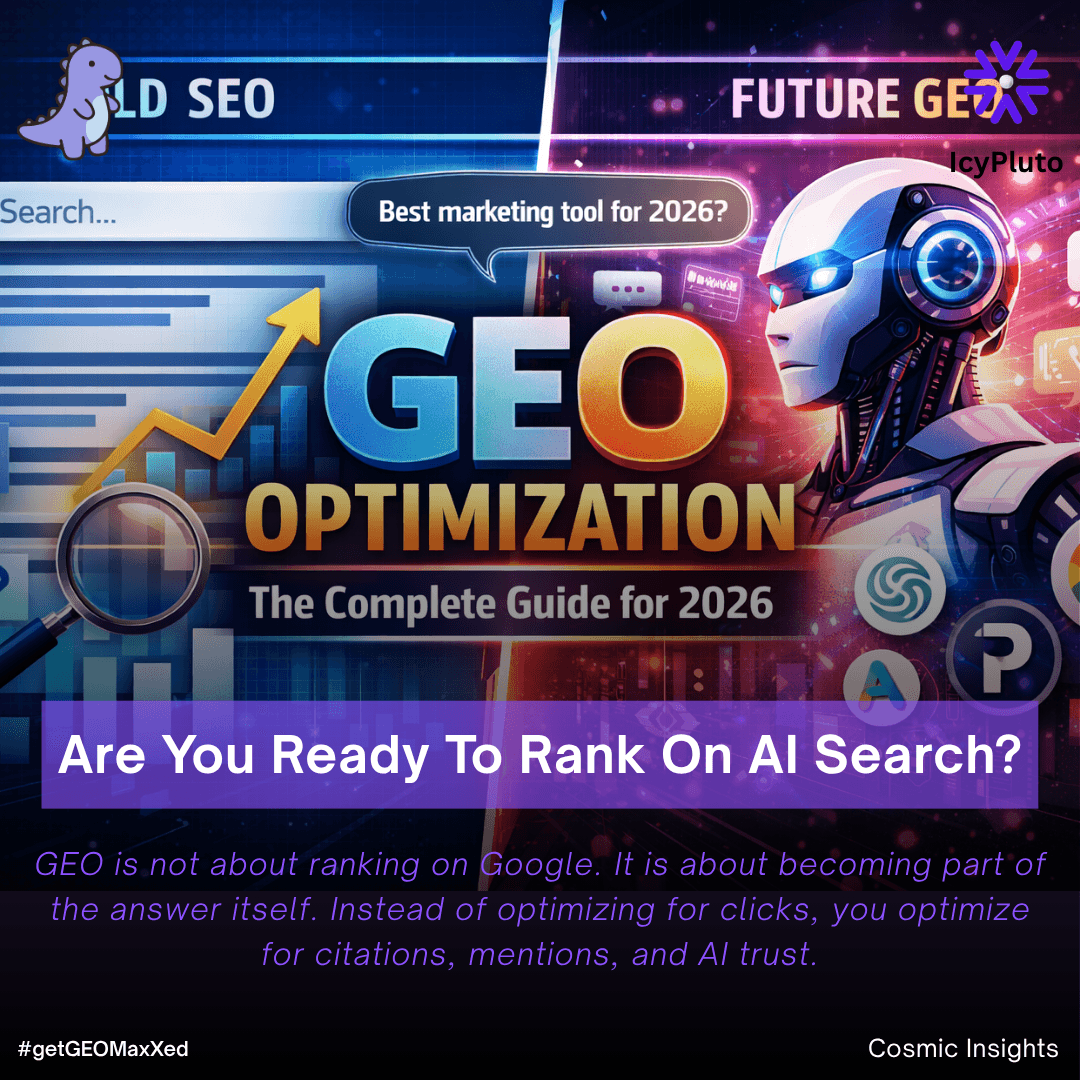
Search is no longer what it used to be. For years, digital visibility depended on ranking higher on search engine results pages. Brands invested in keywords, backlinks, and technical SEO to climb the ladder of blue links. That system still exists, but it is no longer the dominant way people discover information.
In 2026, the shift toward AI-driven search is reshaping how users interact with information online. Instead of browsing multiple links, users now expect direct, synthesized answers from platforms like ChatGPT, Perplexity, and Google AI Overviews. This change has led to a sharp rise in zero-click searches, where users get what they need without ever visiting a website.
This is where Generative Engine Optimization enters the picture. GEO is not just an extension of SEO. It is a fundamental shift in how content is created, structured, and discovered in an AI-first world.
Generative Engine Optimization, or GEO, is the process of optimizing content so that AI-powered search engines can understand, extract, and cite it in their generated responses. Instead of focusing only on ranking positions, GEO focuses on becoming part of the answer itself.
Traditional SEO is built around visibility through rankings. GEO is built around visibility through inclusion. When an AI system answers a user’s question, it pulls structured, high-quality information from trusted sources. If your content is optimized for GEO, your brand becomes one of those trusted sources.
This shift changes the goal of content. It is no longer just about attracting clicks. It is about building authority that AI systems recognize and reference.
AI search operates very differently from traditional search engines. Instead of presenting a list of links, AI systems interpret user intent and generate a direct response by synthesizing information from multiple sources.
Large language models such as GPT, Gemini, and Claude are trained on vast datasets and enhanced with real-time retrieval systems. When a user asks a question, these systems analyze the query, identify relevant sources, and construct a clear, conversational answer.
What determines whether your content gets included?
AI systems prioritize:
Clarity of information
Structured and extractable content
Factual accuracy and data points
Topical authority and consistency
Strong entity recognition
Content that is easy to understand and rich in meaningful information is far more likely to be cited than content written purely for keyword ranking.
The difference between SEO and GEO is not just technical. It is strategic.
In traditional SEO, success depends on where your page ranks. Higher rankings bring more clicks, and more clicks drive traffic. The focus is on keywords, backlinks, and on-page optimization.
In GEO, success depends on whether your content is included in AI-generated answers. The focus shifts from ranking to relevance and authority.
SEO asks whether your content can rank for a keyword. GEO asks whether your content can answer a question better than anyone else.
User behavior has also evolved. People are no longer typing short keywords. They are asking full questions, describing problems, and expecting immediate clarity. This shift makes conversational, structured content far more powerful than traditional keyword-heavy pages.
The importance of GEO is driven by real changes in user behavior and technology adoption.
A growing percentage of searches now end without clicks because users get answers directly from AI. At the same time, platforms like ChatGPT and Gemini are becoming primary discovery channels for products, services, and information.
For brands, this creates both a risk and an opportunity.
If your content is not optimized for AI search, your visibility declines even if your SEO remains strong. On the other hand, if your content is consistently cited in AI responses, you gain authority, trust, and high-intent exposure.
GEO also impacts the entire marketing funnel. When users discover a brand through an AI recommendation, they are more likely to trust it and convert faster. This makes GEO not just a visibility strategy, but a growth strategy.
Optimizing for GEO requires a shift in how content is written and structured. The goal is to make your content easy for AI systems to extract, understand, and trust.
Your most important insight should appear at the beginning of your content. AI systems often prioritize the first few lines when selecting information to include in responses.
Avoid long introductions that delay the main point. Clear, direct answers improve your chances of being cited.
Understand how users ask questions in AI platforms. Instead of targeting short keywords, create content that answers real-world questions in a conversational format.
For example, instead of writing for “GEO optimization,” write to answer “How do you optimize content for AI search?”
Content with specific data points, examples, and clear claims performs better in AI search. Generic statements are rarely cited.
Strong content includes:
Statistics
Research-backed insights
Clear definitions
Real-world applications
The more precise your content is, the more valuable it becomes for AI systems.
AI systems prefer sources that consistently demonstrate expertise in a subject. This means creating multiple pieces of content around a central theme rather than isolated articles.
Cover related topics in depth and connect them logically. This helps AI understand your brand as an authority in that domain.
Well-structured content is easier to extract and reuse.
Best practices include:
Clear headings that match search queries
Short but meaningful paragraphs
Question-based subheadings
Logical content flow
Structured content improves both readability and AI visibility.
Technical optimization plays a key role in GEO.
Use structured data such as:
FAQ schema
Article schema
Organization schema
This helps AI systems interpret your content more accurately and increases the chances of being selected as a source.
AI systems prioritize recent and relevant information. Regularly updating your content ensures it remains competitive in citation rankings.
A static content strategy leads to declining visibility over time.
A successful GEO strategy is built on consistency and structure.
Start by identifying the most important questions your audience is asking. Create content that answers these questions clearly and directly.
Next, organize your content into clusters. Each cluster should focus on a specific topic and include multiple supporting articles. This strengthens your authority and improves your chances of being cited.
Then, expand beyond your own platform. AI systems consider external signals such as mentions, reviews, and third-party content. Building presence across multiple channels enhances credibility.
Finally, track performance using both traditional SEO metrics and AI visibility indicators. Monitor how often your content is referenced and how your brand appears in AI-generated responses.
Many brands struggle with GEO because they approach it like traditional SEO.
One common mistake is overusing keywords without improving content quality. AI systems prioritize meaning, not repetition.
Another mistake is creating content only for search engines while ignoring AI platforms. Visibility today depends on being present where users are actually searching.
Inconsistency is also a major issue. GEO is not achieved through a single article. It requires sustained effort and a structured content strategy.
Search is evolving into a more conversational and intelligent experience. AI systems are becoming better at understanding context, intent, and nuance.
In the near future, AI assistants will not just answer questions but also recommend products, make decisions, and guide user journeys. This makes brand visibility within AI responses even more critical.
The foundations of GEO, clarity, authority, and structured content, will continue to define success regardless of how technology evolves.
Generative Engine Optimization is not a trend. It is the next phase of digital discovery.
As AI-driven search continues to grow, brands must shift their focus from simply ranking on search engines to becoming trusted sources of information. The goal is no longer just to be seen, but to be referenced, cited, and recommended.
The opportunity is still open. Many brands have not yet adapted to this shift. Those who invest in GEO now will build long-term authority and gain a competitive advantage that compounds over time.
In a world where answers matter more than links, the brands that succeed will be the ones that become part of the answer.