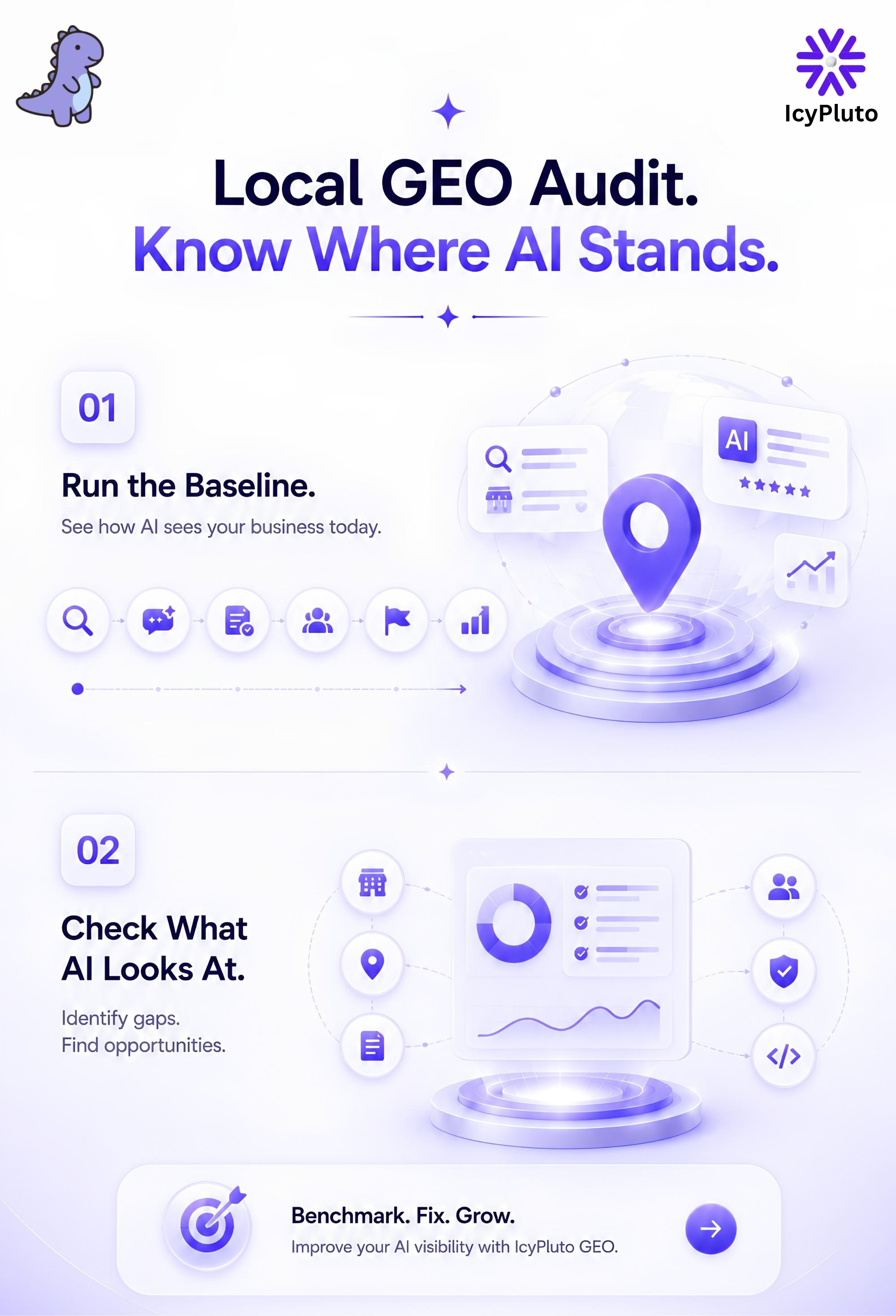
A local GEO baseline audit helps you understand ho...
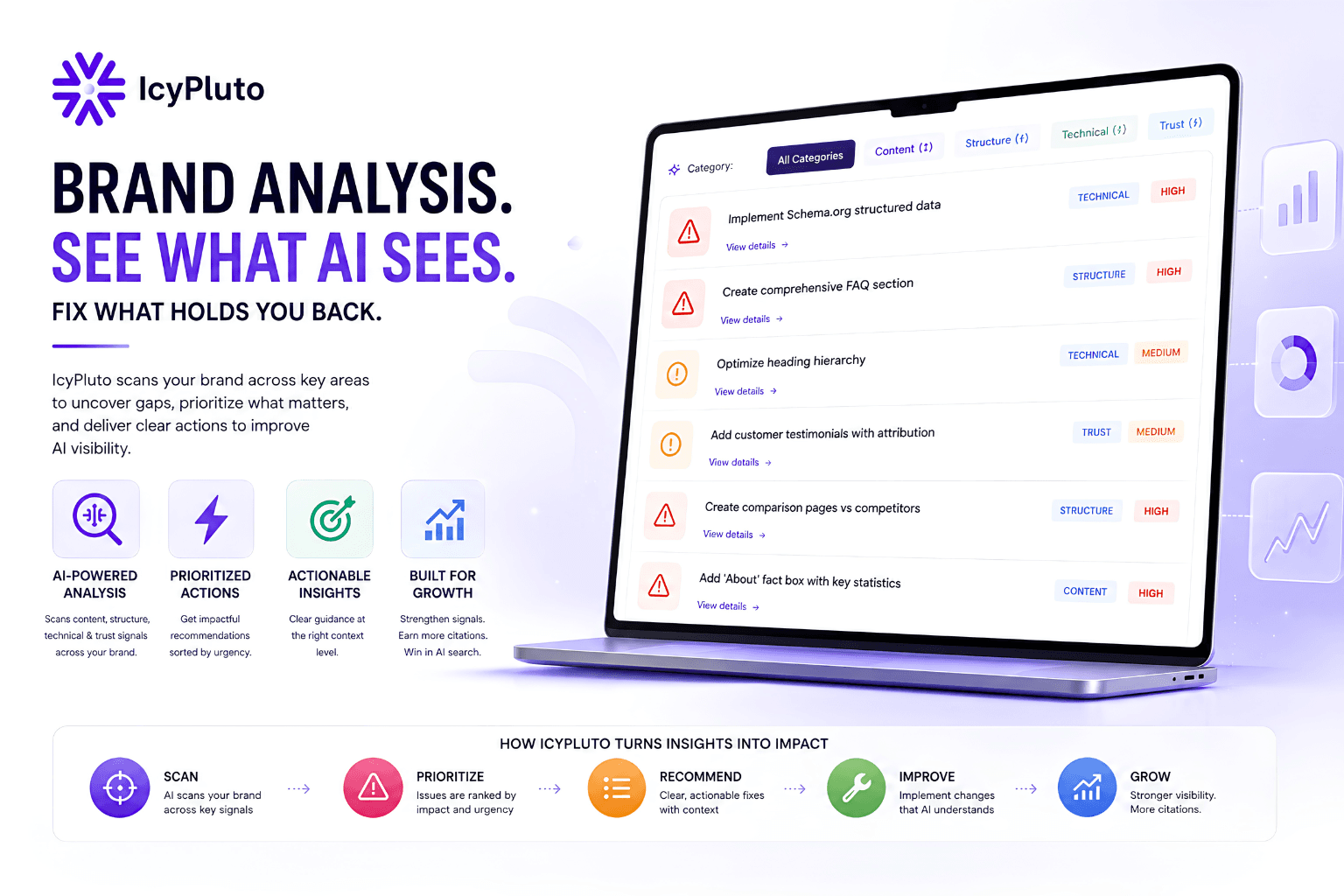
This blog explains why brands are losing visibilit...
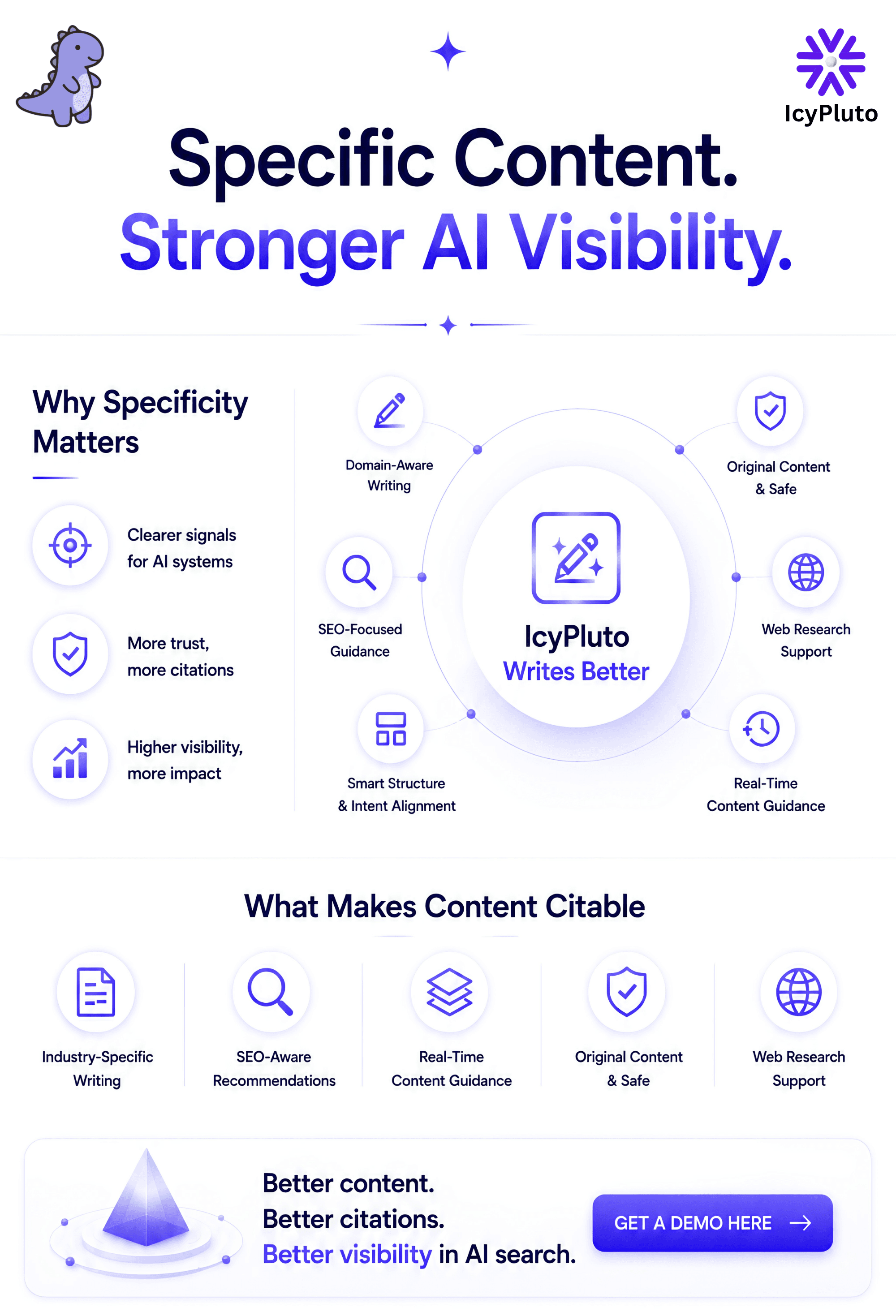
AI SEO writing is getting more specific, and that ...
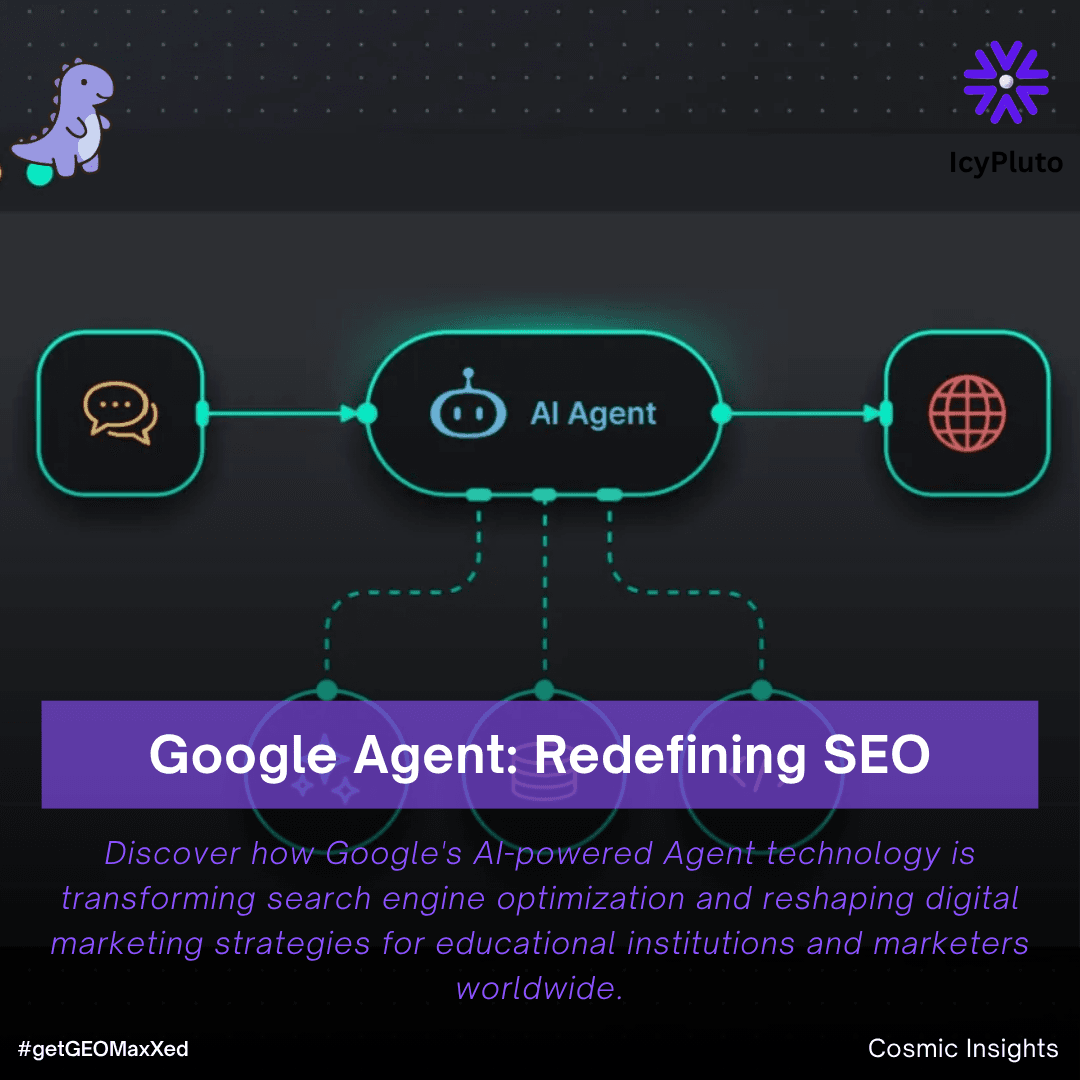
The digital landscape is experiencing a fundamental transformation with the introduction of Google's Agent technology, marking what many experts consider the most significant paradigm shift in search engine optimization history. This revolutionary advancement represents a departure from traditional keyword-based search toward an agentic web environment where AI-powered agents autonomously navigate, interpret, and interact with digital content on behalf of users. For educational institutions and digital marketers, understanding this technology is no longer optional—it is essential for maintaining visibility and relevance in an increasingly intelligent digital ecosystem.
Google Agent operates on sophisticated natural language processing and machine learning algorithms that enable it to understand user intent at unprecedented depths. Unlike conventional search mechanisms that match queries to indexed keywords, Google Agent comprehends context, anticipates needs, and delivers personalized results through conversational interfaces. This technology synthesizes information from multiple sources, evaluates credibility, and presents comprehensive answers rather than simply listing webpage links. The implications for SEO are profound: content must now be optimized not just for human readers and search crawlers, but for AI agents that evaluate semantic relevance, structural clarity, and authoritative depth.
For higher education institutions like Chitkara University, which maintains strategic partnerships with over 50 international universities and emphasizes industry-aligned curriculum, Google Agent presents both challenges and opportunities. The technology demands content that demonstrates genuine expertise, provides substantive value, and aligns with the sophisticated evaluation criteria that AI agents employ. This shift necessitates a comprehensive reevaluation of digital marketing strategies, moving beyond traditional SEO tactics toward Agent Experience Optimization (AEO) and Generative Engine Optimization (GEO) frameworks that prioritize structured data, semantic richness, and authentic thought leadership.
AI-driven search agents are fundamentally altering how prospective students, academic professionals, and industry partners discover educational opportunities online. Traditional search behavior—characterized by keyword queries and manual evaluation of search results—is rapidly giving way to conversational interactions where users engage with AI agents that understand nuanced educational requirements. When a prospective student searches for programs combining artificial intelligence with business applications, Google Agent doesn't simply return a list of BBA programs; it evaluates program structures, identifies institutions offering specialized curricula such as BBA in Artificial Intelligence in Business, assesses industry partnerships, and presents comprehensive comparisons based on the user's implicit and explicit preferences.
This transformation has significant implications for how educational institutions structure and present their digital content. Information about programs like Chitkara University's 4-year B.E. in Computer Science & Engineering with specializations in Full Stack, Cyber Security, Cloud, and Data Science must now be architected to facilitate agent comprehension. This requires implementing structured data markup that clearly delineates program duration, specializations, accreditations, industry partnerships, placement records, and unique value propositions. Content must transition from marketing-centric language to informative, factual presentations that AI agents can parse, compare, and contextualize within broader educational landscapes.
Moreover, AI-driven search agents prioritize content that demonstrates authentic expertise and provides substantive value to users. For institutions offering specialized programs such as the 5-year Bachelor of Optometry with clinical observerships and international standards alignment, or the B.Sc in Clinical Embryology with rotatory clinical training and assured placements, the emphasis must shift toward comprehensive program descriptions, transparent outcome data, and evidence of industry collaboration. Search agents evaluate content credibility through multiple signals including faculty expertise, research output, accreditation status, and student outcomes—precisely the areas where Chitkara University demonstrates competitive advantages through its top 10 ranking for patent filings and extensive network of 2,000+ recruiting partners.
Adapting to agent-based search behavior requires a fundamental reconceptualization of content strategy, moving from keyword optimization to intent fulfillment and semantic comprehension. Educational institutions must now architect their digital presence to accommodate WebMCP (Model Context Protocol), an emerging standard that enables AI agents to interact with websites natively, extracting structured information and performing complex queries that traditional search interfaces cannot support. This technological evolution demands that content be organized in semantically coherent hierarchies, enriched with comprehensive metadata, and structured to facilitate agent navigation and interpretation.
The strategic adaptation process begins with understanding the questions and decision-making frameworks that AI agents employ when evaluating educational options on behalf of users. When assessing graduate programs, agents consider factors such as curriculum alignment with career objectives, industry partnerships that facilitate practical experience, accreditation status, faculty credentials, research opportunities, and demonstrated outcomes. For Chitkara University's MBA programs with specializations across marketing, finance, HR, logistics, data science and AI, and healthcare, content must explicitly address these evaluation criteria through structured presentations that agents can efficiently parse and compare against competing offerings.
Furthermore, strategic adaptation requires investing in content formats that AI agents prioritize: comprehensive program guides, detailed faculty profiles highlighting industry experience and research expertise, transparent placement data demonstrating the 100% placement record, documentation of global pathway programs with partner institutions like Arizona State University and Deakin University, and evidence of hands-on learning through internships and industry projects. This content must be enriched with schema markup that enables agents to understand relationships between programs, specializations, career pathways, and institutional capabilities. The goal is not merely visibility in search results, but representation as a credible, comprehensive solution when agents synthesize recommendations for prospective students.
Achieving enhanced visibility in agent search results demands sophisticated data-driven optimization techniques that extend far beyond traditional SEO metrics. Educational marketers must now focus on semantic signals, structured data implementation, entity recognition, and knowledge graph integration—technical elements that AI agents utilize to evaluate content authority and relevance. This requires comprehensive audits of existing digital assets to identify gaps in structured data coverage, opportunities for semantic enrichment, and areas where content depth fails to meet agent evaluation standards.
Implementation of JSON-LD structured data markup represents a foundational requirement for agent visibility. Educational institutions must systematically tag program information, faculty credentials, research outputs, facilities, partnerships, and student outcomes using vocabulary that AI agents recognize and prioritize. For Chitkara University's diverse portfolio—spanning programs from B.Des in Communication Design with AI to Pharm.D programs with cutting-edge research and mandatory internships—each offering requires meticulous structured data implementation that clearly communicates duration, specializations, admission requirements, career outcomes, and distinguishing features such as collaboration with ARAI for EV and HEV programs or partnerships with Parexel for pharmacovigilance training.
Beyond structured data, optimization for agent search requires developing comprehensive content ecosystems that address the full spectrum of user queries at different stages of the decision journey. This includes creating detailed comparison guides, program-specific FAQ resources, faculty research profiles, student success stories with quantifiable outcomes, and industry partnership documentation. Analytical frameworks must evolve to track agent interactions, measuring not just traditional metrics like organic traffic and bounce rates, but agent engagement signals such as information extraction patterns, citation frequency in AI-generated responses, and representation in conversational search results. Educational institutions that master these data-driven techniques position themselves advantageously as the web becomes increasingly agentic and search evolves toward AI-powered recommendation systems.
Future-proofing digital marketing strategy in the age of intelligent search agents requires both technological adaptation and philosophical reorientation toward authentic value creation. The most critical insight is that AI agents fundamentally prioritize user benefit over marketing persuasion—they evaluate content based on informational completeness, factual accuracy, semantic clarity, and demonstrated expertise rather than keyword density or backlink profiles. Educational institutions must therefore invest in substantive content that genuinely serves prospective students, accurately represents program offerings, and provides transparent information about outcomes, requirements, and institutional capabilities.
For universities operating in competitive higher education markets, this shift toward agent-optimized content represents an opportunity to differentiate through thought leadership and comprehensive information architecture. Chitkara University's competitive advantages—including state-of-the-art infrastructure with over 100 advanced laboratories, interdisciplinary programs combining engineering, business, and design, strong industry collaborations with 300+ strategic MoUs, and global pathway programs offering 100% credit transfer to partner universities—must be communicated through content frameworks that AI agents can efficiently evaluate and contextualize. This requires developing dedicated resource centers for each program category, implementing robust internal linking structures that establish topical authority, and creating multimedia content that demonstrates facilities, faculty expertise, and student experiences.
The most exciting dimension of this transformation is that it rewards institutions genuinely committed to educational excellence and student success. AI agents increasingly recognize and prioritize authentic indicators of quality: research output, industry partnerships, placement records, faculty credentials, student testimonials, and accreditation status. Universities with substantive achievements—such as Chitkara's prestigious 4-star rating in IIC, top 10 ranking for patent filings, and partnerships with organizations like ASQ and leading shipping companies for maritime programs—gain competitive advantage as agent search matures. The future belongs to institutions that embrace transparency, invest in comprehensive digital documentation of their offerings, and structure content to facilitate agent comprehension. This is indeed the most exciting time to be in SEO for educational institutions, as the playing field shifts toward rewarding genuine quality and authentic expertise over manipulative optimization tactics.