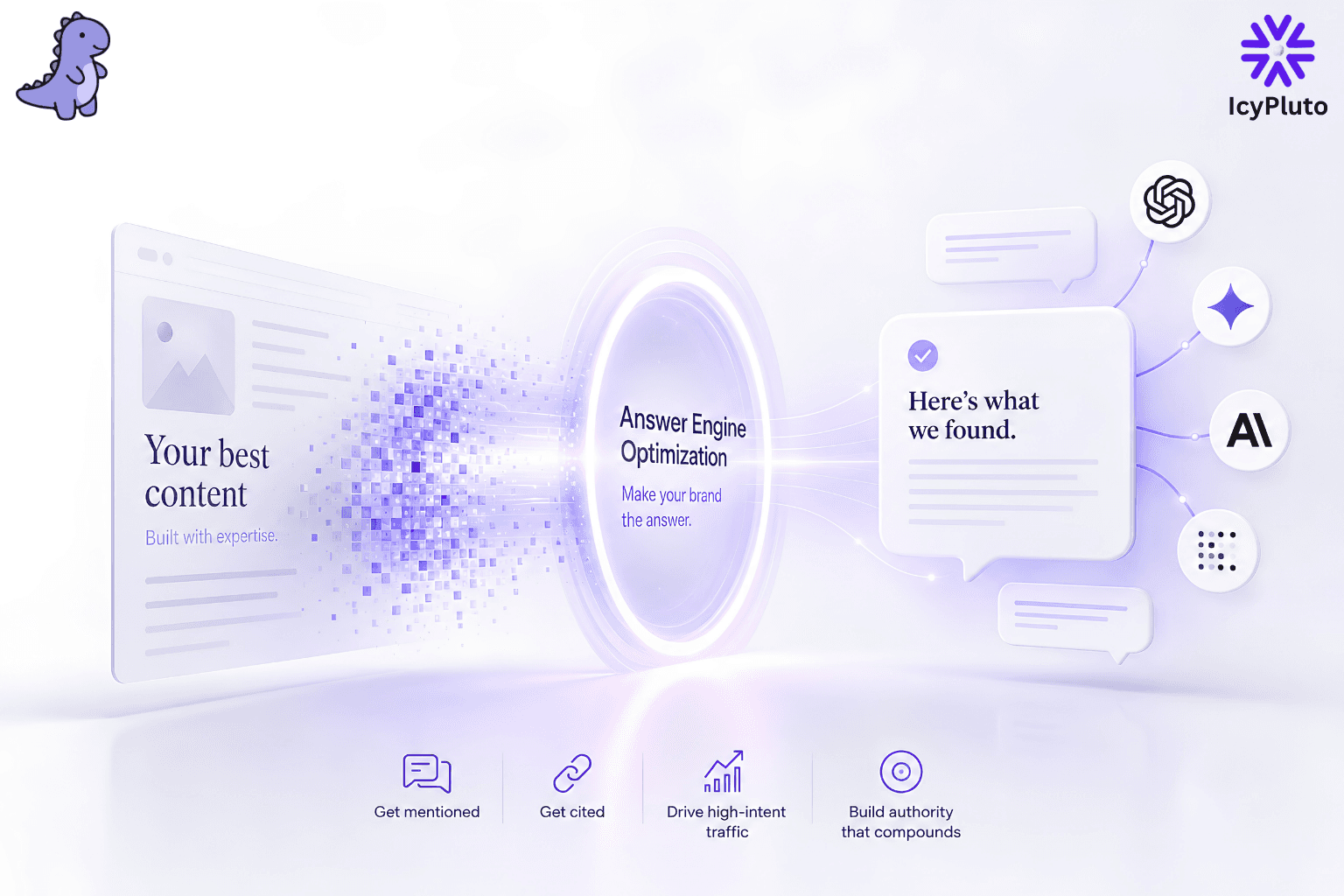
This blog breaks down why Answer Engine Optimizati...
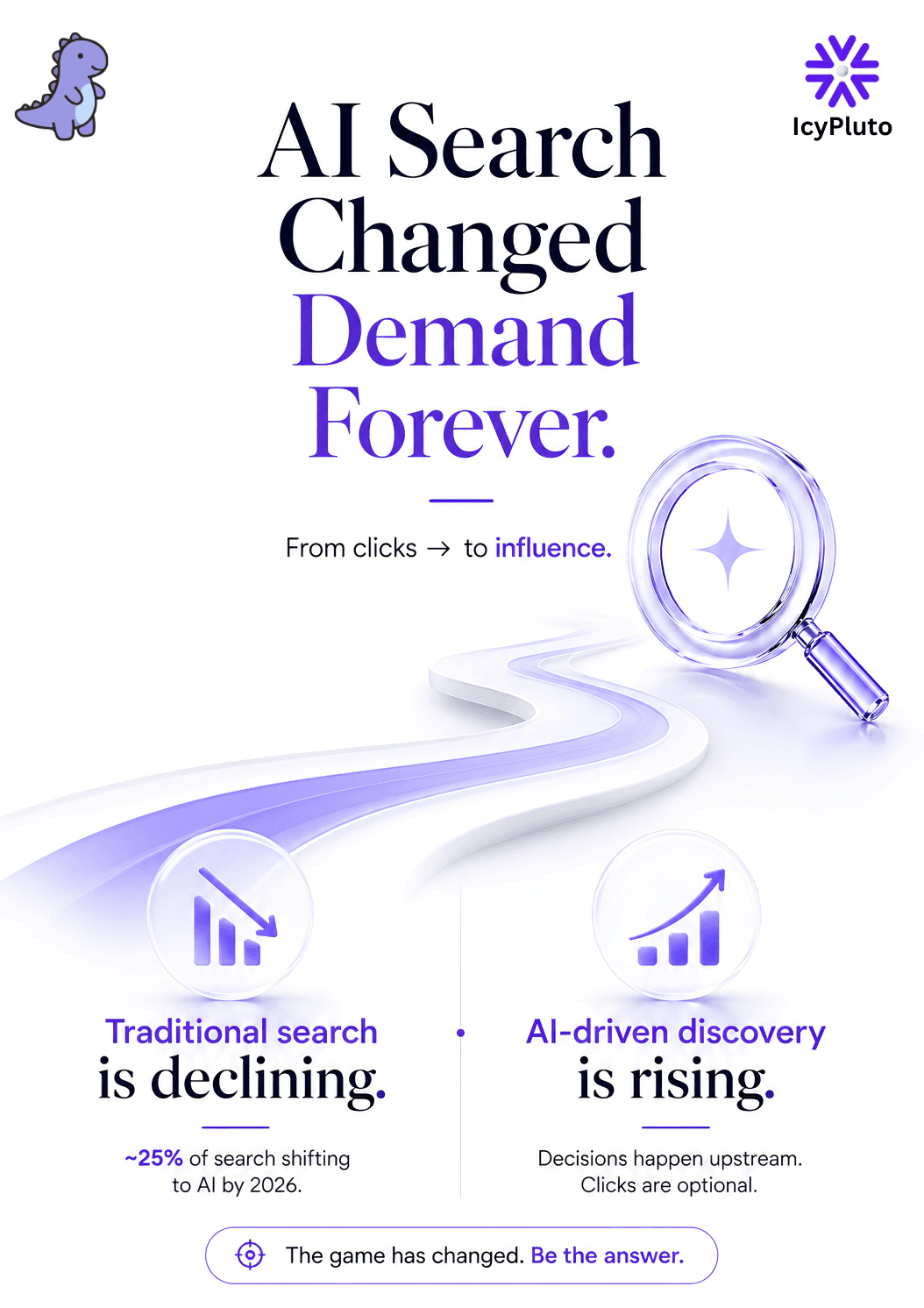
This blog explains why traditional, traffic-focuse...
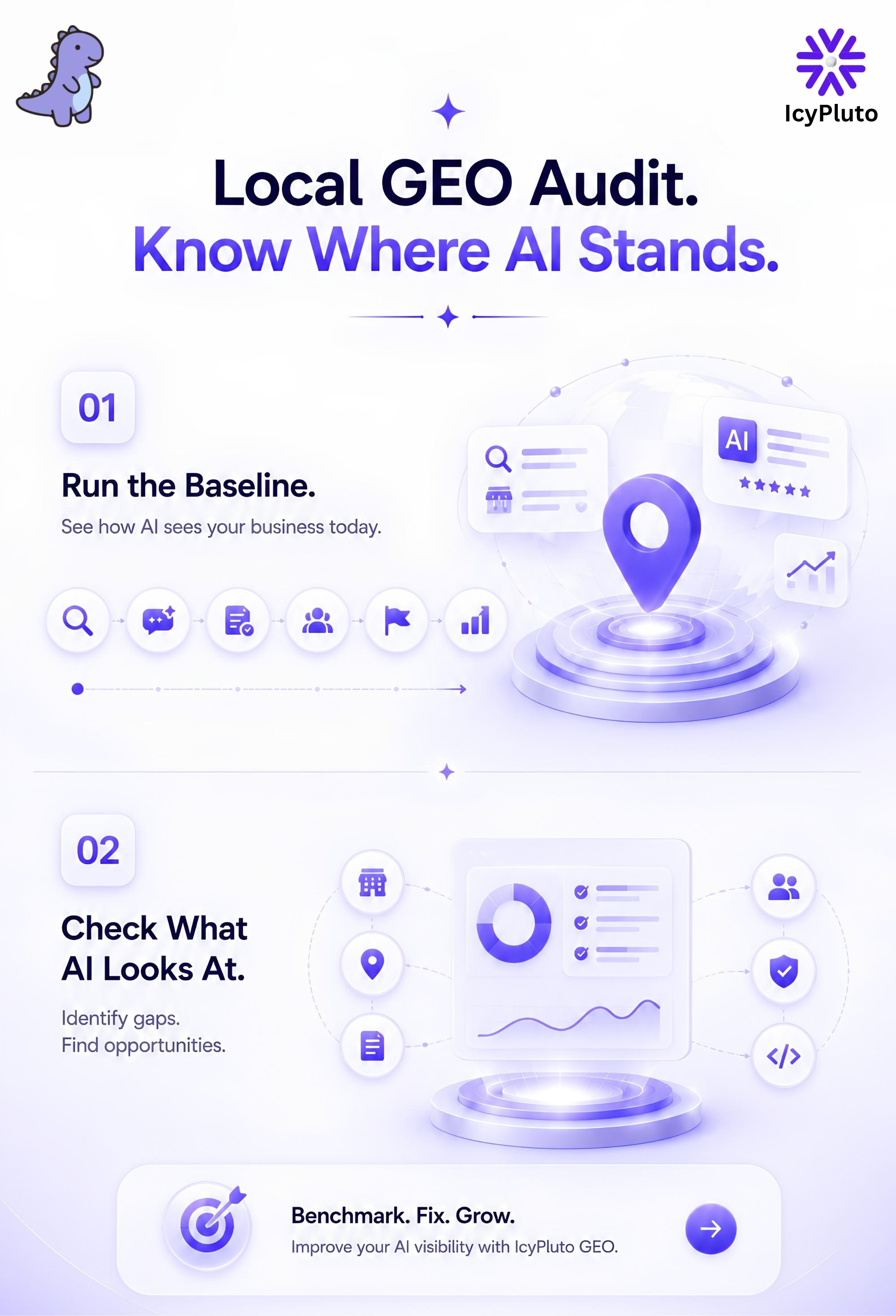
A local GEO baseline audit helps you understand ho...
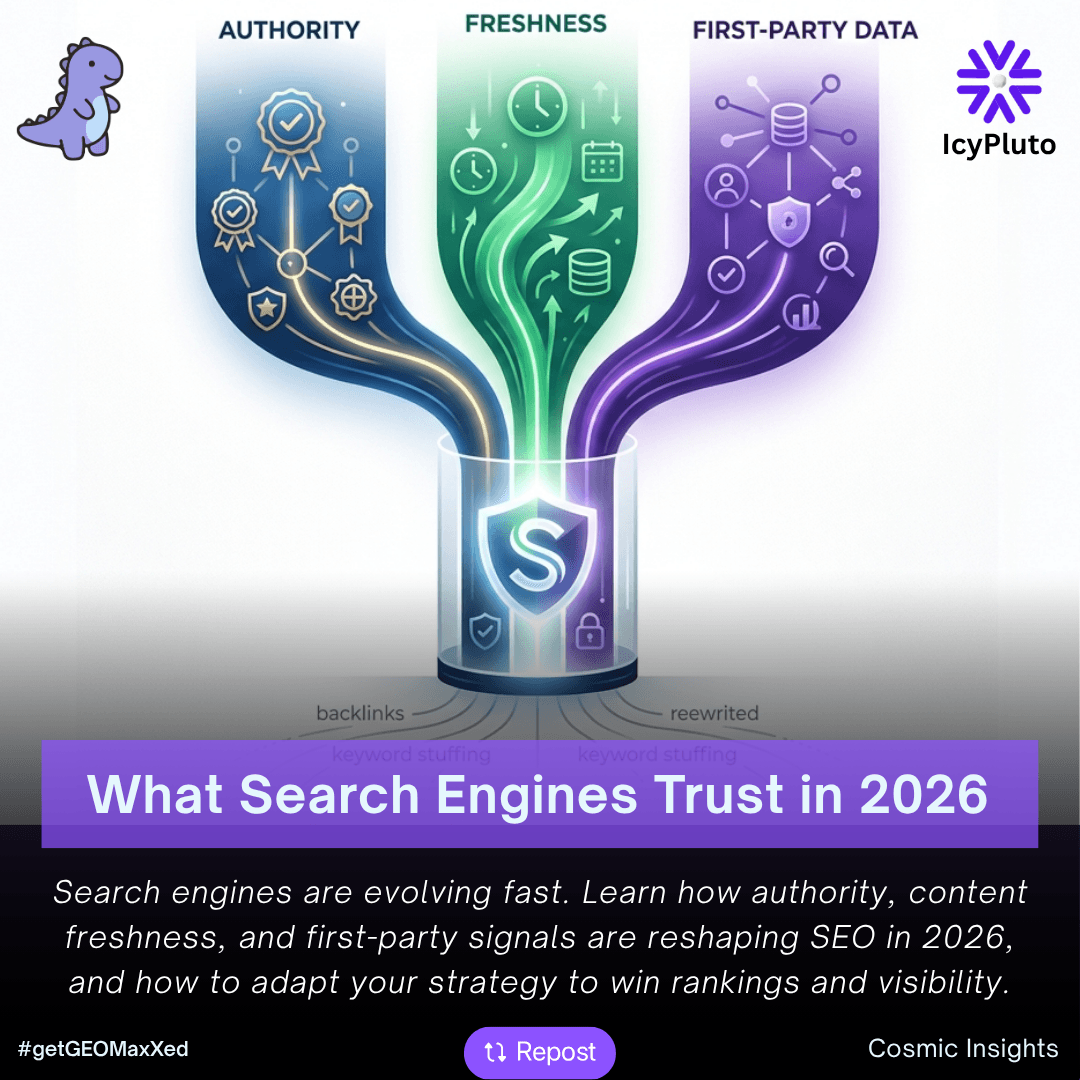
Search engines are no longer just indexing content. They are evaluating credibility, recency, and ownership signals at a level most marketers still underestimate. If your SEO strategy still revolves around keywords and backlinks alone, you are already behind.
Over the past few years, platforms like Google have shifted toward a trust-first ranking model. This shift is driven by AI-generated content saturation, misinformation concerns, and user demand for reliable answers. According to multiple industry studies, over 65% of search queries now prioritize content that demonstrates expertise and trustworthiness rather than just relevance.
The game has changed. Authority is no longer optional. Freshness is no longer a bonus. First-party data is no longer a luxury.
This blog breaks down what search engines actually trust in 2026 and how you can build an SEO strategy that aligns with these signals.
Authority has moved from being a vague concept to a measurable ranking signal. Search engines now evaluate not just what is written, but who is behind the content and how consistently they demonstrate expertise.
Recent data suggests that websites with strong topical authority see up to 45% higher ranking stability during algorithm updates. This means authority is not just about ranking higher, it is about maintaining rankings over time.
Search engines assess authority through multiple layers. Content depth, author credibility, brand mentions, and consistent subject matter expertise all play a role. A site publishing scattered topics will struggle compared to one that builds a focused knowledge hub.
This is where many brands fail. They chase traffic instead of building authority clusters.
A strong authority strategy includes:
Publishing interconnected content around a core topic
Demonstrating expertise through real insights, not generic summaries
Building author credibility with verifiable profiles and contributions
The non-obvious insight here is that authority compounds. The more consistently you publish high-quality content in a niche, the easier it becomes to rank new content in that same space.
Fresh content is not just about publishing new articles. It is about maintaining relevance across your entire content ecosystem.
Search engines now track content freshness signals at a granular level. Studies indicate that updating existing content can improve rankings by up to 30%, especially in competitive niches.
This shift is largely driven by user behavior. Nearly 70% of users prefer content that reflects the latest information, particularly in industries like marketing, finance, and technology.
But freshness is more complex than just updating timestamps.
Search engines evaluate:
Content updates and revisions
Frequency of publishing
Real-time relevance to current trends
Engagement signals post-update
For example, a blog updated with new data, case studies, and insights signals ongoing relevance. On the other hand, static content, even if originally strong, gradually loses trust.
The biggest mistake brands make is treating content as a one-time asset. In reality, content is a living system.
A practical approach is to implement a content refresh cycle. High-performing pages should be reviewed every 3 to 6 months. This alone can significantly improve organic traffic without creating new content from scratch.
With increasing privacy regulations and the decline of third-party cookies, first-party data is becoming a core trust signal for search engines.
First-party signals include data collected directly from your audience. This includes user engagement, behavioral patterns, and interactions within your ecosystem.
According to industry benchmarks, brands leveraging first-party data see up to 2x higher personalization effectiveness and significantly improved user retention.
Search engines interpret these signals as indicators of trust and relevance. If users consistently engage with your content, spend time on your site, and return frequently, it sends a strong credibility signal.
Key first-party signals include:
Time on page and dwell time
Repeat visits
Direct traffic growth
Email engagement and subscriptions
The deeper insight here is that SEO is no longer isolated. It is directly connected to your entire digital ecosystem.
Your CRM, email marketing, and content strategy now influence search performance.
Brands that integrate these systems effectively are gaining a competitive advantage that traditional SEO tactics cannot replicate.
Keywords still matter, but their role has fundamentally changed. Search engines now prioritize intent and context over exact match queries.
Research shows that over 80% of search queries are now interpreted using semantic understanding rather than keyword matching. This means search engines understand what users mean, not just what they type.
This evolution is powered by AI models like those used in Google Search.
As a result, content that simply repeats keywords without adding value is losing visibility. Instead, content that answers questions comprehensively and contextually is winning.
To adapt, content strategies must focus on:
Topic depth instead of keyword density
Answering multiple related questions within a single piece
Structuring content for clarity and completeness
The hidden advantage here is that well-structured, intent-driven content ranks for multiple keywords simultaneously. This increases organic reach without additional effort.
Search engines no longer rely on a single factor to determine trust. Instead, they evaluate a combination of signals that collectively define credibility.
These include:
Content quality and originality
Backlink relevance and authority
User engagement metrics
Brand reputation and mentions
Data indicates that websites with strong brand signals and consistent engagement outperform competitors by up to 35% in search visibility.
One critical shift is the reduced impact of low-quality backlinks. While links still matter, their quality and context are now far more important than quantity.
Another overlooked factor is brand search volume. When users actively search for your brand, it signals trust and recognition, which can indirectly boost rankings.
This means SEO is no longer just a technical discipline. It is a brand-building exercise.
Despite these changes, many businesses are still using outdated SEO frameworks.
They focus on:
Publishing high volumes of low-value content
Chasing backlinks without relevance
Ignoring user experience and engagement
This approach is becoming increasingly ineffective.
According to recent data, over 90% of content gets no organic traffic from search engines. This is not due to lack of effort, but lack of alignment with modern ranking signals.
The biggest gap is strategic thinking.
Winning in SEO today requires:
Deep understanding of audience intent
Consistent authority building
Integration of data across channels
The brands that succeed are not doing more SEO. They are doing smarter SEO.
To align with how search engines evaluate trust today, your strategy must evolve across multiple dimensions.
First, invest in authority building. Focus on a defined niche and create content that demonstrates expertise consistently.
Second, implement a freshness system. Treat content as an ongoing asset and update it regularly with new insights and data.
Third, leverage first-party data. Build systems that capture and utilize user behavior to improve content and engagement.
Fourth, shift toward intent-driven content. Move beyond keywords and focus on delivering comprehensive, valuable answers.
Finally, integrate SEO with your broader marketing ecosystem. Your brand, content, and user experience must work together.
Search engines are moving toward a trust-first model where credibility, relevance, and user experience define success. This shift is not temporary. It is foundational.
As AI continues to reshape search, the gap between high-quality, authoritative content and generic content will only widen.
Brands that understand and adapt to these changes will dominate search visibility. Those who do not will struggle to stay relevant.
The opportunity is massive, but only for those willing to rethink their approach.