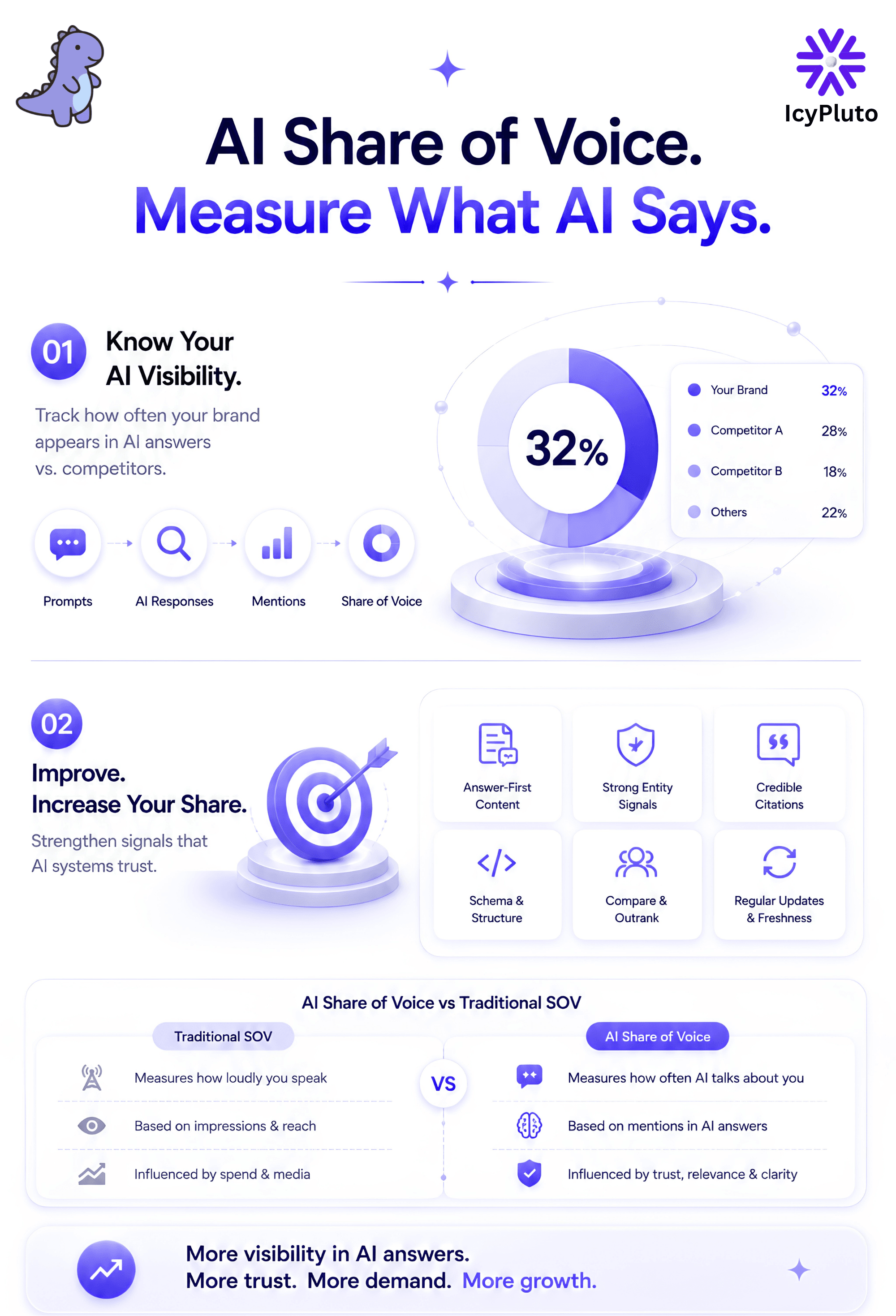
AI share of voice is the new visibility metric bra...
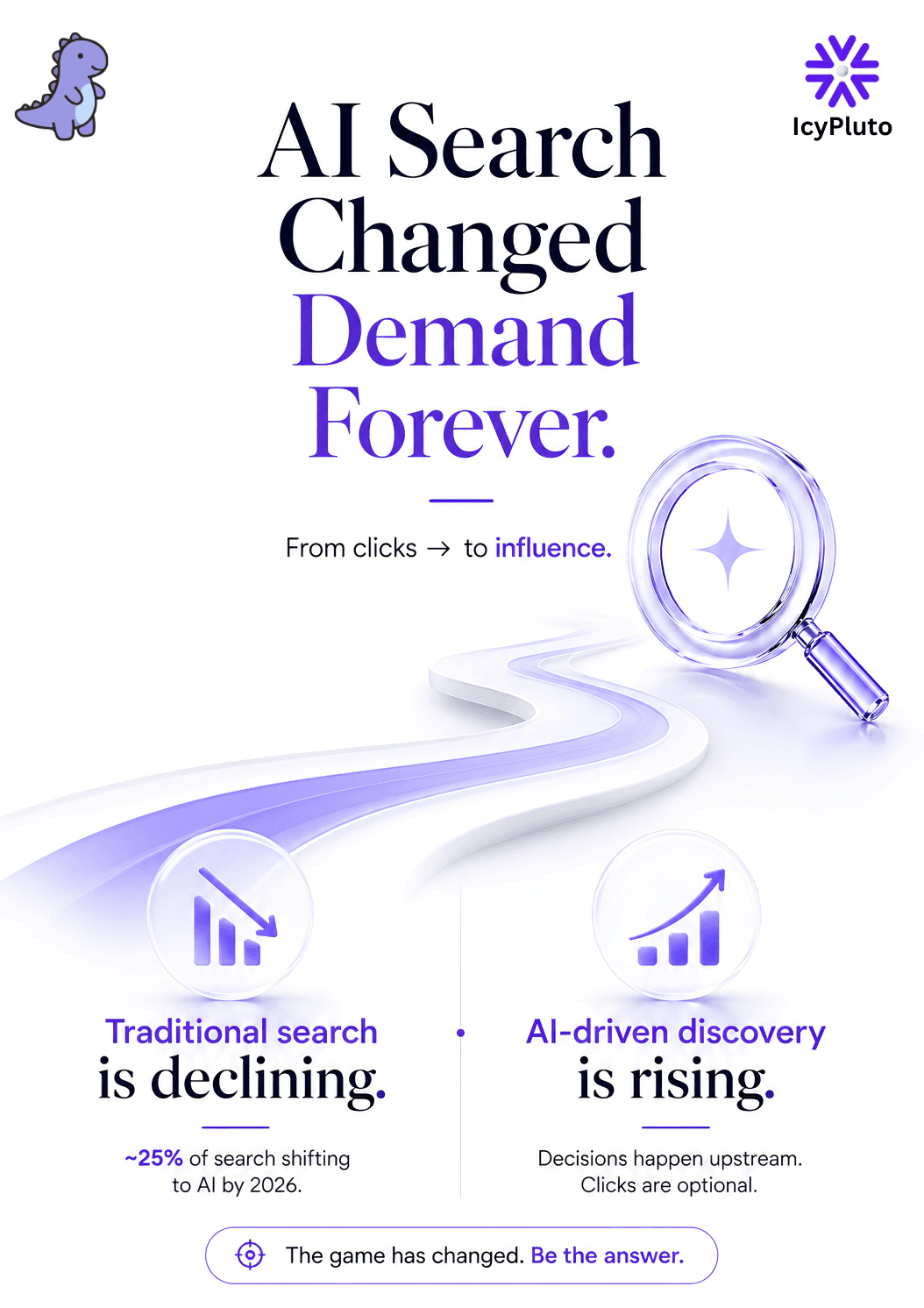
This blog explains why traditional, traffic-focuse...
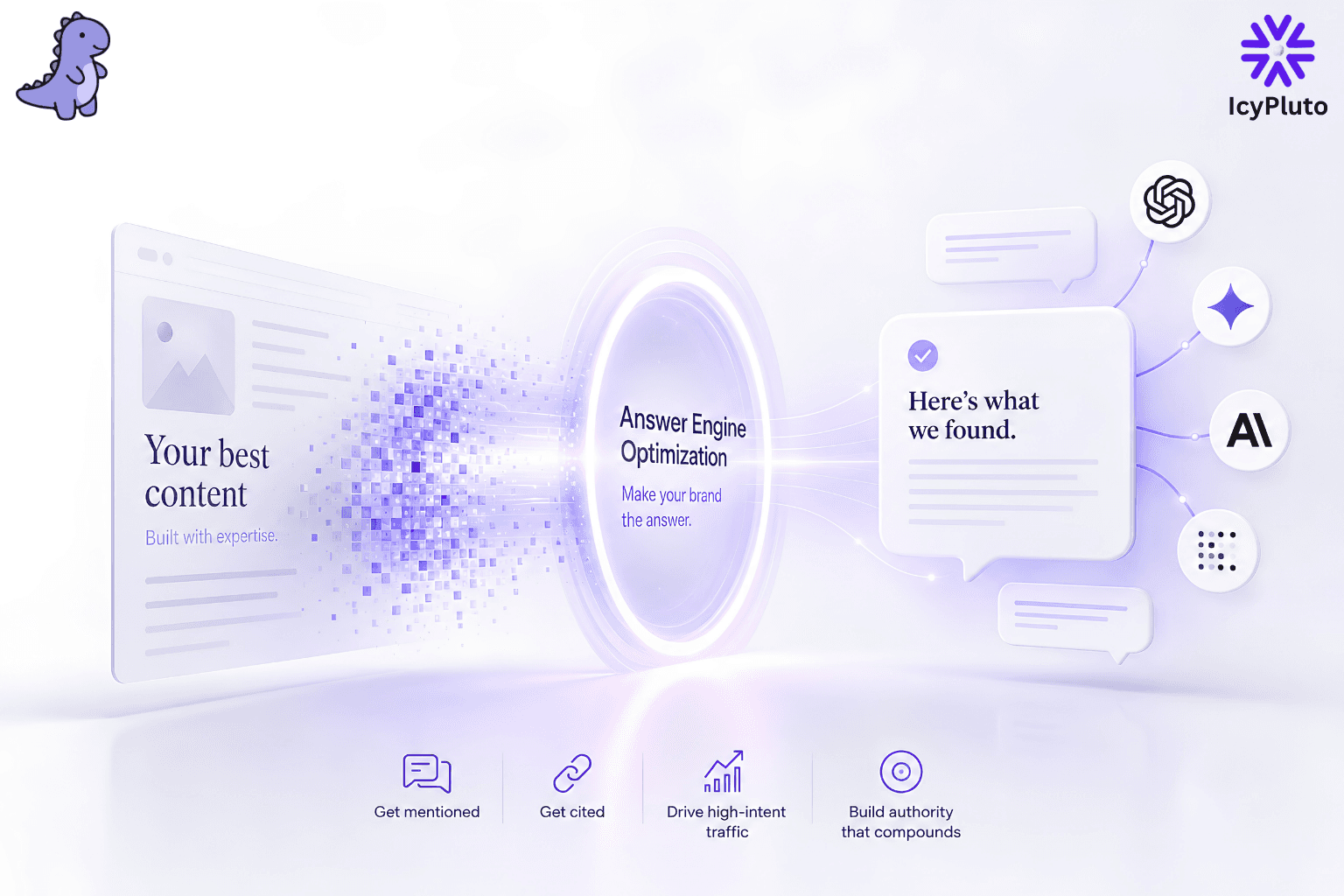
This blog breaks down why Answer Engine Optimizati...
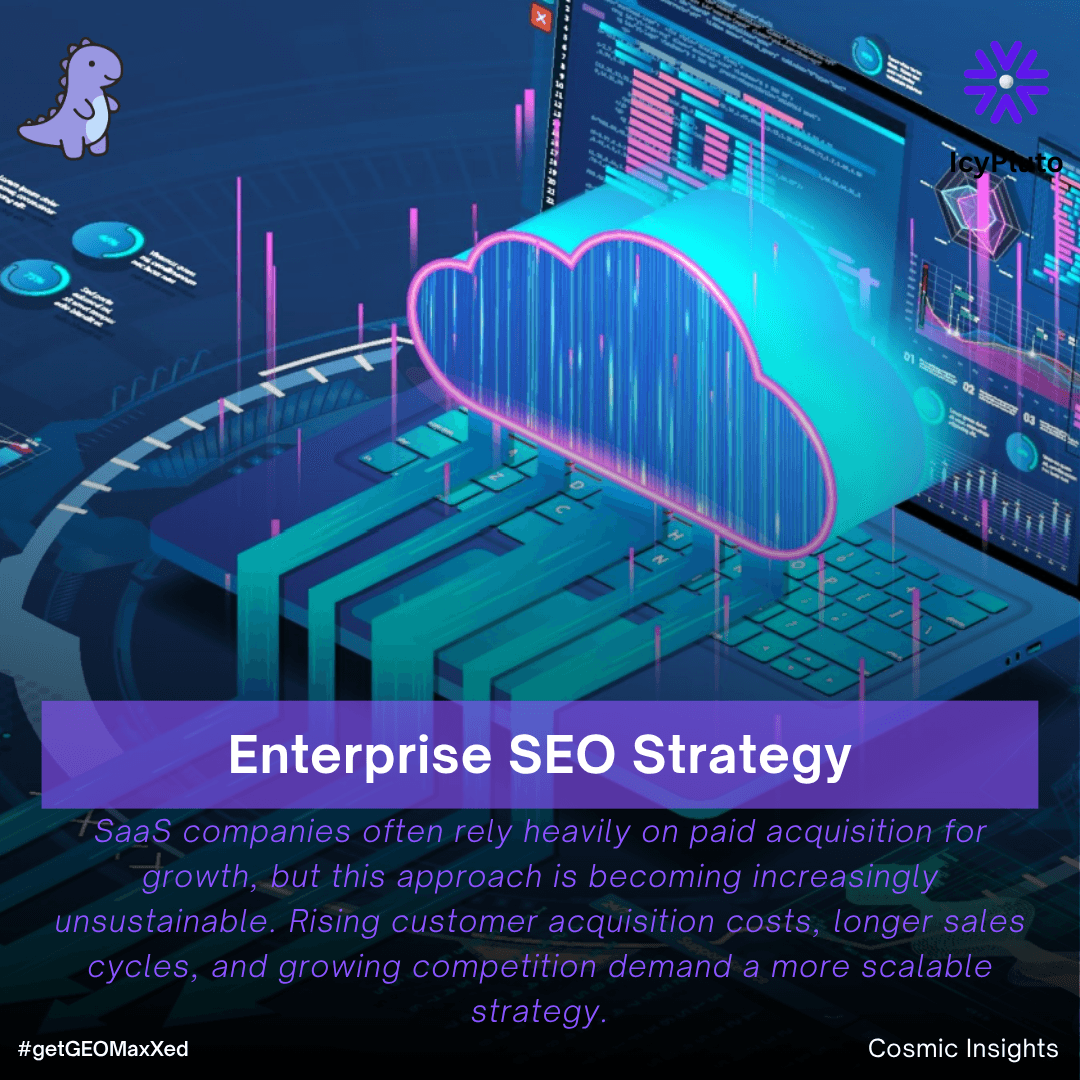
The SaaS model is one of the most scalable and profitable business models today, but only when it is supported by the right growth strategy. At its core, SaaS depends on acquiring users at scale while reducing the cost of delivering services over time. As more users join a platform, the cost per user decreases, making growth not just desirable but essential. However, many SaaS companies fall into a common trap. They rely heavily on paid acquisition channels to drive traffic, leads, and conversions. While this approach delivers predictable results in the short term, it comes with a critical limitation. The moment you stop spending on ads, your growth slows down instantly.
This dependency creates a fragile growth model where customer acquisition is directly tied to budget rather than strategy. At the same time, the market has become more competitive than ever. Buyers have more options, decision cycles are longer, and customer acquisition costs continue to rise. In such an environment, relying only on paid channels is not just expensive but risky. This is where SEO emerges as a powerful alternative. Not as a secondary channel, but as a foundational strategy that builds long-term, sustainable growth.
SEO is often misunderstood as just a traffic channel, but for SaaS companies, it plays a much bigger role. It is a long-term investment that compounds over time, bringing in high-intent users without continuously increasing costs. Unlike paid advertising, where visibility disappears as soon as budgets are cut, SEO continues to generate traffic, leads, and awareness even when active spending is reduced.
More importantly, SEO helps SaaS brands position themselves exactly where it matters most. When decision-makers actively search for solutions, your brand needs to be visible. This is not just about ranking for keywords. It is about building authority, trust, and relevance in your category. A strong SEO strategy ensures that your brand becomes part of the buying journey at every stage, from awareness to consideration to decision.
Scaling a SaaS business is not as straightforward as increasing ad spend. There are multiple layers of complexity that CMOs and growth leaders must navigate, and each of these challenges directly impacts how marketing strategies should be designed.
One of the biggest challenges is scaling growth efficiently. SaaS companies need to continuously acquire new users while retaining existing ones and encouraging deeper engagement within the platform. This creates a need for network effects, where users derive more value as the ecosystem grows. Paid acquisition alone cannot support this model effectively because it only drives short-term inflow rather than sustained engagement.
Another critical challenge is balancing customer support with self-service models. Many SaaS platforms rely on automation and self-service to reduce operational costs, but this can create friction for users, especially when products are complex. To address this, companies are increasingly using AI-driven solutions such as chatbots and personalized experiences. However, these systems require strong content and educational resources to be effective. Without proper guidance, users may struggle to adopt the product fully, leading to higher churn.
Retention is another area that cannot be ignored. While acquiring new customers is important, retaining them is equally critical for long-term success. SaaS businesses rely heavily on recurring revenue, which means customer lifetime value plays a key role in profitability. This requires continuous engagement, product updates, and value-driven communication. Marketing, therefore, must address both acquisition and retention simultaneously.
Brand visibility also presents a unique challenge. Many SaaS companies initially rely on branded searches, which limits scalability if brand awareness is low. To grow, they must expand into non-branded search terms and position themselves as thought leaders in their industry. This requires a combination of content, SEO, and authority building.
Finally, aligning content with buyer intent is one of the most complex aspects of SaaS marketing. Different users search for different types of information depending on where they are in the buying journey. Understanding and addressing these intent signals is critical for driving meaningful engagement and conversions.
Enterprise SEO provides a structured approach to addressing these challenges while building a scalable growth engine. Instead of focusing only on immediate results, it creates a system where content, visibility, and authority work together to drive consistent performance.
One of the biggest advantages of SEO is its ability to generate sustainable and scalable growth. By targeting high-intent keywords and creating valuable content, SaaS companies can build a predictable pipeline of leads without relying entirely on paid channels. This reduces customer acquisition costs and improves overall marketing efficiency.
SEO also plays a crucial role in building brand authority. When your content consistently appears in search results, it reinforces your credibility and positions your brand as a trusted solution. Over time, this leads to stronger recognition and higher conversion rates.
Another important benefit is improved customer engagement and retention. High-quality content does not just attract new users. It also helps existing customers understand the product better, discover new features, and maximize value. This reduces churn and increases lifetime value.
In addition, SEO enhances performance across other marketing channels. Insights gained from search data can inform paid campaigns, email marketing, and social media strategies. This creates a more cohesive and effective omnichannel approach.
The biggest mindset shift for SaaS leaders is moving from short-term growth tactics to long-term strategy. Paid advertising will always play a role in marketing, especially for quick wins and targeted campaigns. However, it should not be the foundation of growth.
SEO, on the other hand, builds momentum over time. Each piece of content adds to your visibility. Each backlink strengthens your authority. Each ranking keyword increases your reach. Unlike paid campaigns, which stop delivering once the budget ends, SEO continues to generate value long after the initial investment.
This compounding effect is what makes SEO so powerful for SaaS companies. It transforms marketing from a cost center into a long-term asset.
Content is at the heart of any successful SEO strategy. For SaaS companies, it serves multiple purposes. It attracts new users, educates prospects, supports onboarding, and drives retention. But not all content delivers the same value.
To be effective, content must be aligned with user intent. It should address real problems, provide actionable insights, and guide users through their journey. This requires a deep understanding of your audience and their needs.
In addition, content should be structured in a way that supports both search engines and users. Clear organization, logical flow, and meaningful information make it easier for search engines to understand and rank your content while also improving user experience.
The way SaaS companies approach marketing needs to evolve. SEO should not be seen as just another channel alongside PPC or social media. It should be treated as a foundational strategy that supports all aspects of growth.
By investing in enterprise SEO, SaaS brands can build a system that continuously attracts high-intent users, reduces dependency on paid acquisition, and strengthens their position in the market. It is not about quick wins or immediate results. It is about creating a sustainable growth engine that compounds over time.
Because in the end, the companies that win are not the ones that spend the most on ads. They are the ones that build lasting visibility, authority, and trust in the places where their customers are already searching.