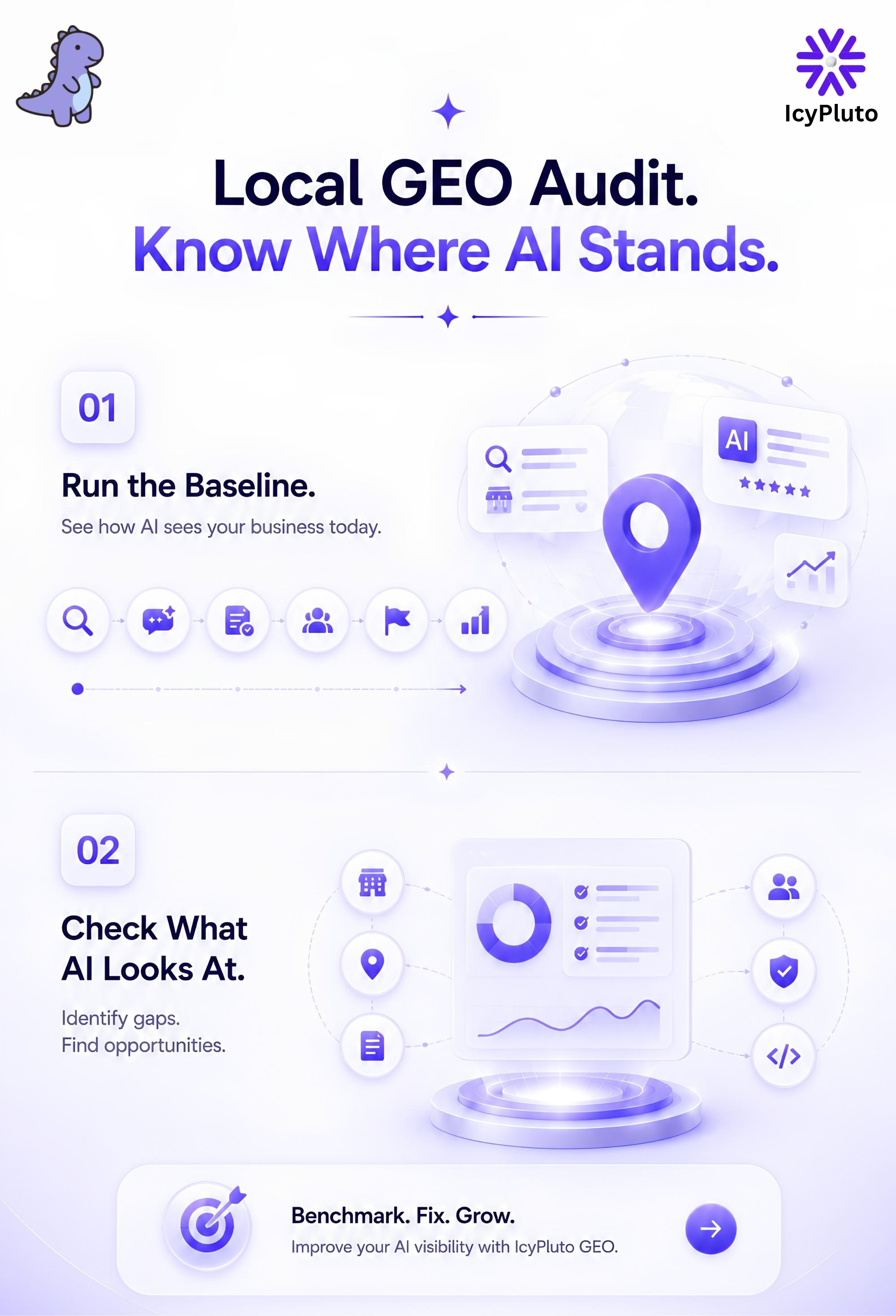
A local GEO baseline audit helps you understand ho...
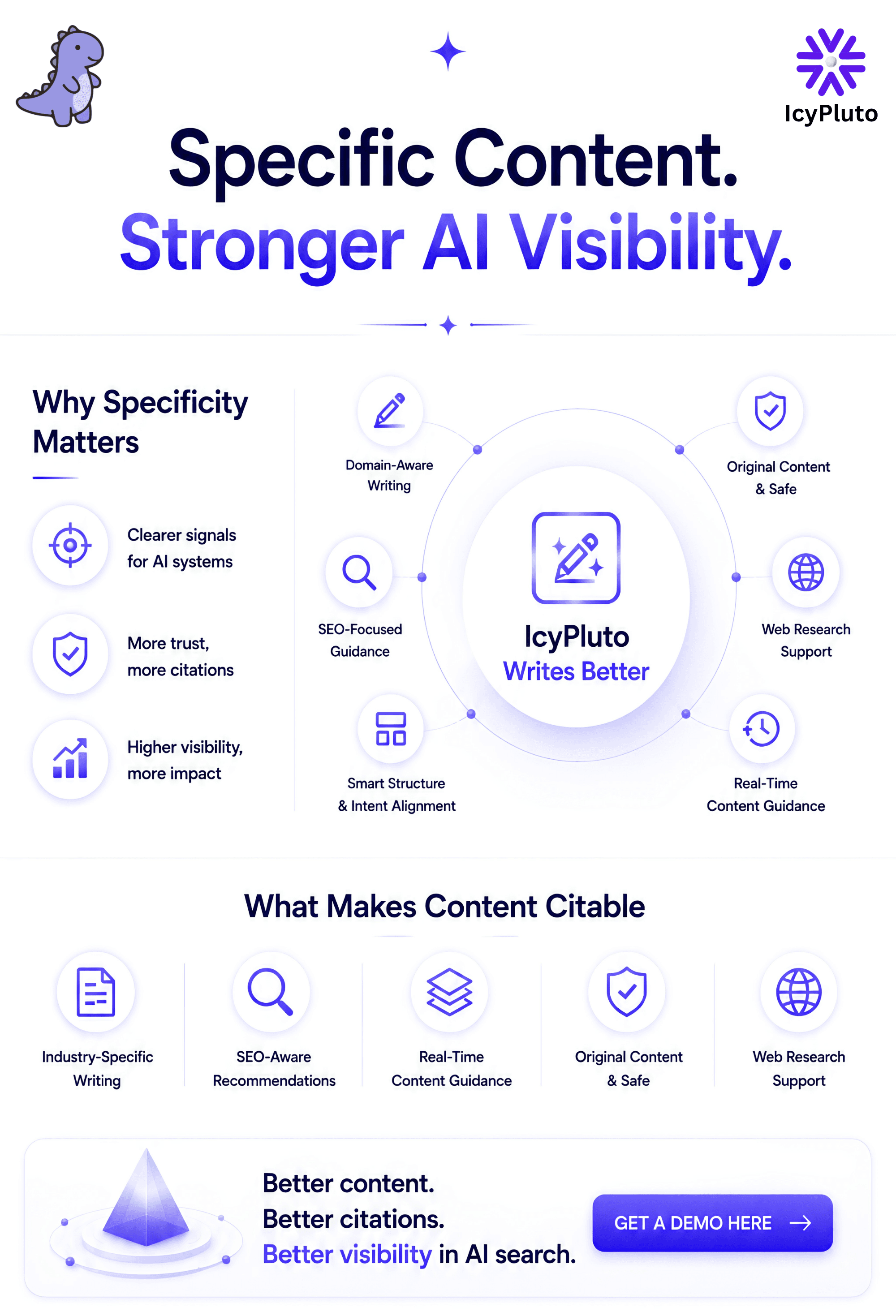
AI SEO writing is getting more specific, and that ...
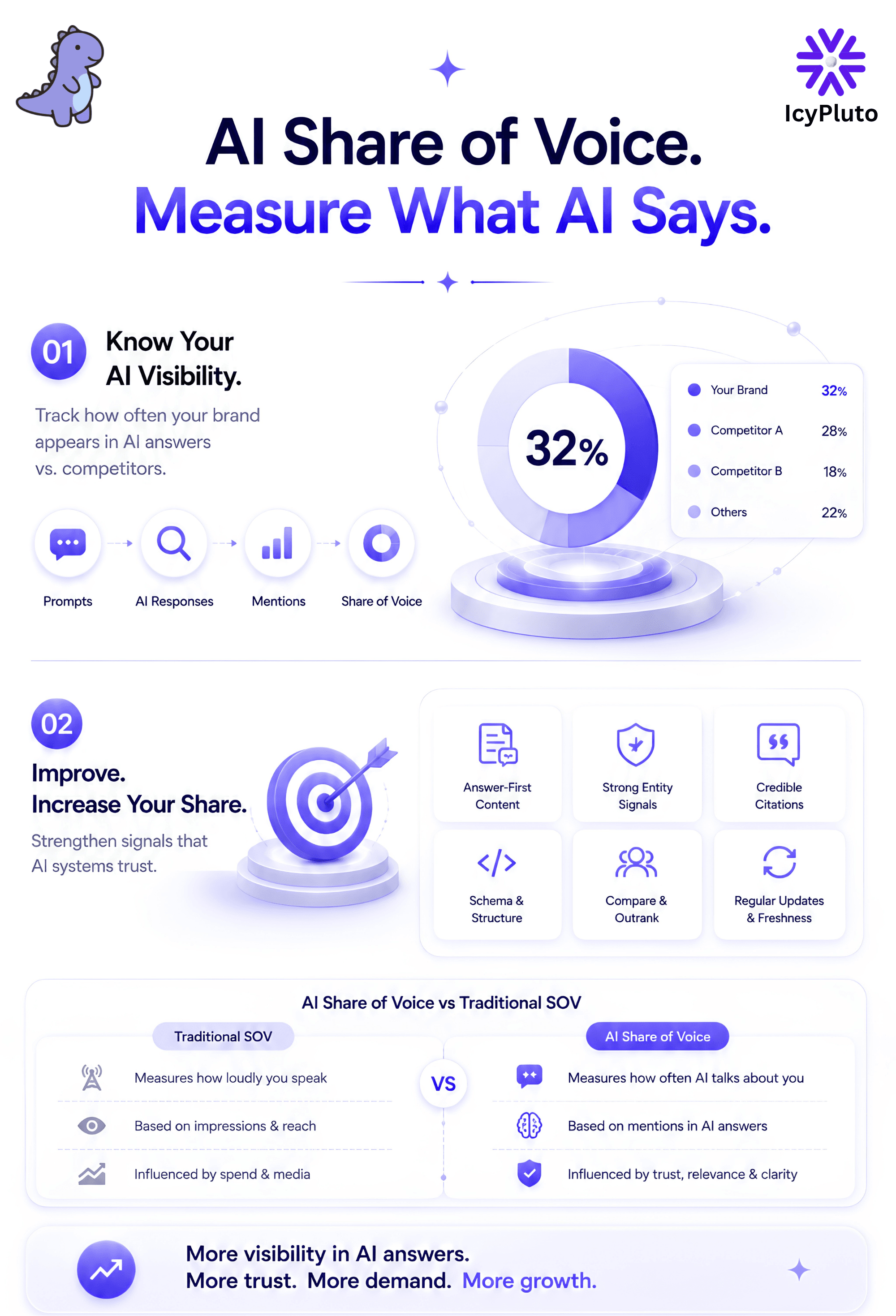
AI share of voice is the new visibility metric bra...
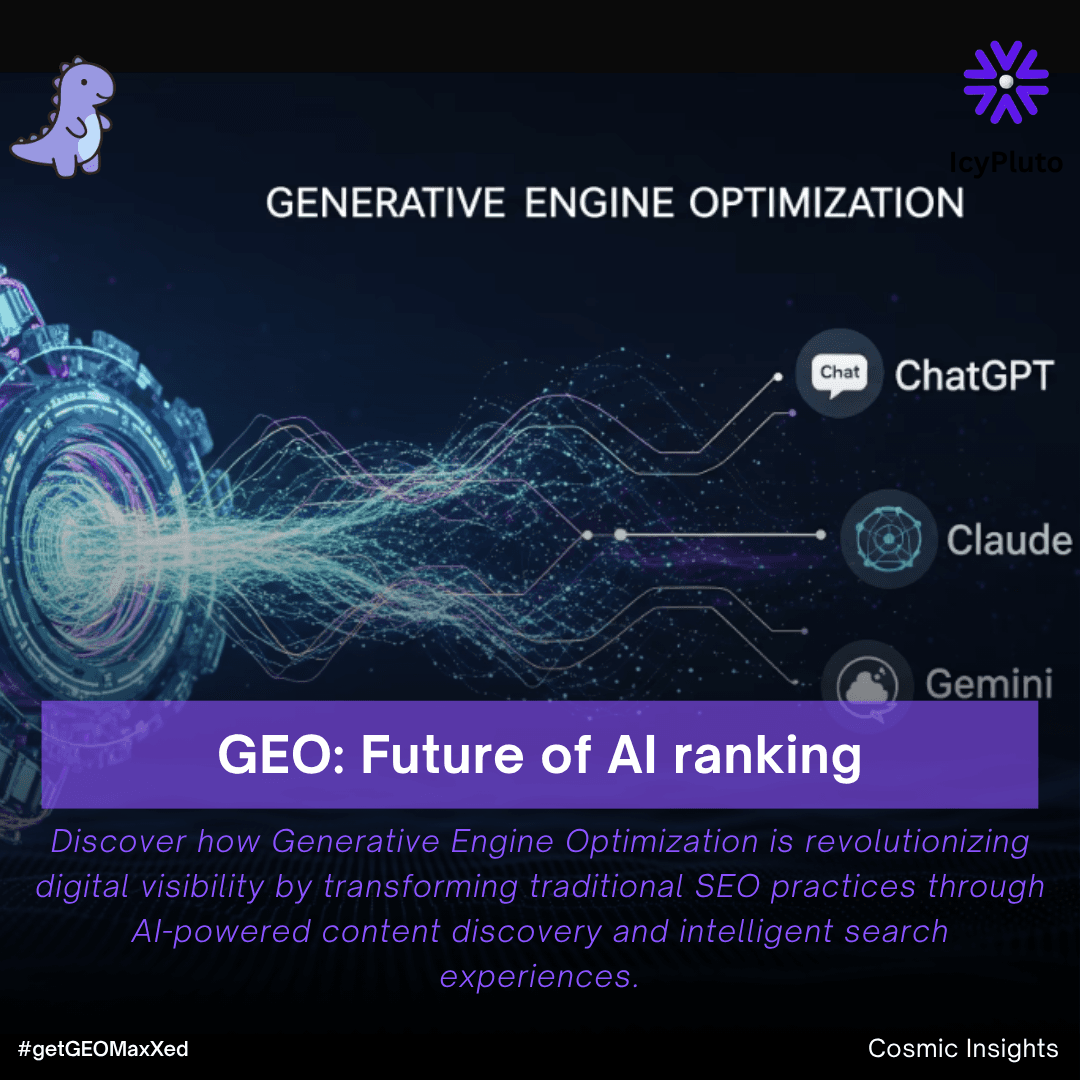
Generative Engine Optimization (GEO) represents a fundamental shift in how organizations approach digital visibility and brand presence. Unlike traditional search engine optimization that focuses on ranking web pages in search results, GEO targets visibility within AI-powered conversational interfaces such as ChatGPT, Claude, and Gemini. These large language models are increasingly becoming the primary interface through which users discover information, making it essential for educational institutions and organizations to optimize their content for these platforms. This paradigm shift requires a comprehensive understanding of how generative AI models process, retrieve, and present information to users.
The impact of GEO on digital marketing strategies extends beyond simple keyword optimization. It necessitates a holistic approach that encompasses content structure, semantic relevance, authority signals, and contextual alignment with user intent. For higher education institutions seeking to enhance their digital presence, GEO offers unprecedented opportunities to reach prospective students, industry partners, and researchers through AI-mediated information discovery. The integration of GEO principles with existing SEO frameworks creates a robust foundation for future-ready digital marketing strategies that can adapt to the evolving landscape of AI-driven search.
Educational institutions must recognize that GEO is not merely a technical optimization exercise but a strategic imperative that aligns with broader goals of accessibility, visibility, and engagement. By understanding how generative AI models interpret and recommend content, organizations can position themselves as authoritative sources within their specialized domains. This transformation requires investment in technical infrastructure, content development capabilities, and continuous performance monitoring to ensure optimal visibility across both traditional search engines and emerging AI platforms.
AI-powered search engines and large language models are fundamentally transforming the content discovery process by moving beyond keyword matching to semantic understanding and contextual relevance. These systems leverage advanced natural language processing capabilities to comprehend user queries at a deeper level, interpreting intent, context, and nuance in ways that traditional search algorithms cannot. For educational institutions, this shift means that content must be structured not just for crawlability and keyword density, but for semantic coherence, comprehensive coverage, and authoritative depth that AI models can recognize and reference.
The emergence of generative AI as a primary information discovery channel introduces new dynamics in how content is surfaced and presented to users. Unlike traditional search results that display ranked lists of links, AI-powered interfaces synthesize information from multiple sources and present cohesive, conversational responses. This aggregation model places a premium value on content that demonstrates expertise, provides clear and accurate information, and maintains consistent authority signals across digital properties. Educational institutions with strong research output, industry partnerships, and comprehensive program offerings are particularly well-positioned to benefit from this shift, as AI models tend to favor authoritative, well-documented sources.
The reshaping of content discovery through AI extends to how organizations must think about their digital footprint and content architecture. Technical elements such as structured data, schema markup, comprehensive metadata, and accessibility compliance become even more critical in an AI-driven environment. These technical foundations enable AI models to better understand, categorize, and recommend content to users. Furthermore, the integration of performance monitoring, accessibility standards, and SEO best practices creates a comprehensive technical framework that supports visibility across all digital channels, ensuring that educational offerings reach prospective students and stakeholders through both traditional and emerging discovery pathways.
Implementing Generative Engine Optimization within an existing marketing framework requires a systematic approach that integrates technical optimization, content strategy, and performance measurement. The foundation of effective GEO implementation begins with comprehensive technical audits that assess current digital properties for performance, accessibility, and structural optimization. These audits identify opportunities to enhance content discoverability by AI systems while simultaneously improving user experience and search engine visibility. For educational institutions with diverse program offerings and multiple stakeholder audiences, this technical foundation ensures that all digital content is optimized for maximum reach and engagement.
Content strategy within a GEO framework must prioritize depth, authority, and semantic richness. This involves developing comprehensive content that thoroughly addresses user questions and information needs, establishing clear topical authority through interconnected content clusters, and maintaining consistent messaging across all digital touchpoints. Educational institutions should focus on creating detailed program descriptions, faculty expertise profiles, research highlights, and industry partnership information that AI models can reference when responding to relevant queries. The integration of structured data markup helps AI systems understand relationships between different content elements, enhancing the likelihood of being cited in AI-generated responses.
Strategic GEO implementation also requires alignment with broader organizational goals and digital transformation initiatives. This includes establishing governance frameworks for content creation and maintenance, developing cross-functional collaboration between marketing, IT, and academic departments, and implementing continuous monitoring systems to track visibility across AI platforms. For institutions with international partnerships and global pathway programs, GEO strategies must account for regional variations in AI adoption and platform preferences. The integration of analytics capabilities enables data-driven decision-making and iterative optimization based on performance metrics, ensuring that GEO efforts deliver measurable improvements in brand visibility and student engagement.
Optimizing content for AI-driven search algorithms and large language models demands a sophisticated understanding of how these systems process and evaluate information. Unlike traditional SEO that focuses primarily on on-page elements and backlink profiles, GEO requires attention to semantic coherence, contextual relevance, and authoritative depth. Content must be structured to facilitate AI comprehension through clear hierarchies, logical information architecture, and comprehensive coverage of topics. Educational institutions should develop content that answers questions thoroughly, provides supporting evidence and data, and demonstrates expertise through detailed explanations and practical examples.
Technical optimization for AI platforms encompasses multiple dimensions, including structured data implementation, metadata enrichment, and accessibility compliance. Schema markup helps AI systems understand the context and relationships within content, while comprehensive metadata provides additional signals about content relevance and authority. Accessibility features such as proper heading hierarchies, alt text for images, and semantic HTML not only improve user experience but also enhance content interpretability by AI systems. For higher education institutions, implementing these technical elements across program pages, faculty profiles, research publications, and partnership information creates a robust foundation for AI discoverability.
The optimization process must also address content freshness, accuracy, and consistency across digital properties. AI models prioritize recent, accurate information from authoritative sources, making it essential for educational institutions to maintain current program offerings, update industry partnership information, and regularly publish research findings and academic achievements. Cross-referencing and internal linking strategies help establish topical authority and guide AI systems through related content areas. Additionally, monitoring brand mentions across digital channels and ensuring consistent information presentation helps build trust signals that AI models recognize when evaluating source credibility and relevance for user queries.
Future-proofing digital presence in the age of generative AI requires a proactive approach that anticipates technological evolution while maintaining flexibility to adapt to emerging platforms and paradigms. Educational institutions must invest in scalable infrastructure that supports both current optimization needs and future technological integrations. This includes developing modular content architectures that can be easily updated and repurposed, implementing robust content management systems that facilitate structured data implementation, and establishing technical foundations that support emerging standards and protocols. The integration of comprehensive technical audits ensures that digital properties remain optimized for performance, accessibility, and discoverability as AI technologies continue to evolve.
Strategic future-proofing extends beyond technical infrastructure to encompass organizational capabilities and skill development. Institutions must cultivate cross-functional expertise that bridges marketing, technology, and academic domains, ensuring that teams understand both the technical requirements of GEO and the strategic implications for institutional visibility and student recruitment. This includes developing internal capabilities for content optimization, technical SEO, accessibility compliance, and performance monitoring. Partnerships with industry leaders in AI, data science, and digital marketing provide access to cutting-edge insights and best practices that inform ongoing optimization efforts.
The long-term success of GEO strategies depends on establishing continuous improvement frameworks that incorporate performance measurement, competitive analysis, and iterative optimization. Educational institutions should implement monitoring systems that track visibility across multiple AI platforms, measure engagement metrics from AI-driven traffic sources, and assess the quality and accuracy of AI-generated references to institutional content. This data-driven approach enables organizations to identify opportunities for enhancement, respond to algorithm updates, and maintain competitive advantages in an increasingly AI-mediated digital landscape. By combining technical excellence with strategic foresight and continuous innovation, educational institutions can ensure sustainable visibility and relevance in the age of generative AI, positioning themselves as authoritative sources for prospective students, industry partners, and the broader academic community.