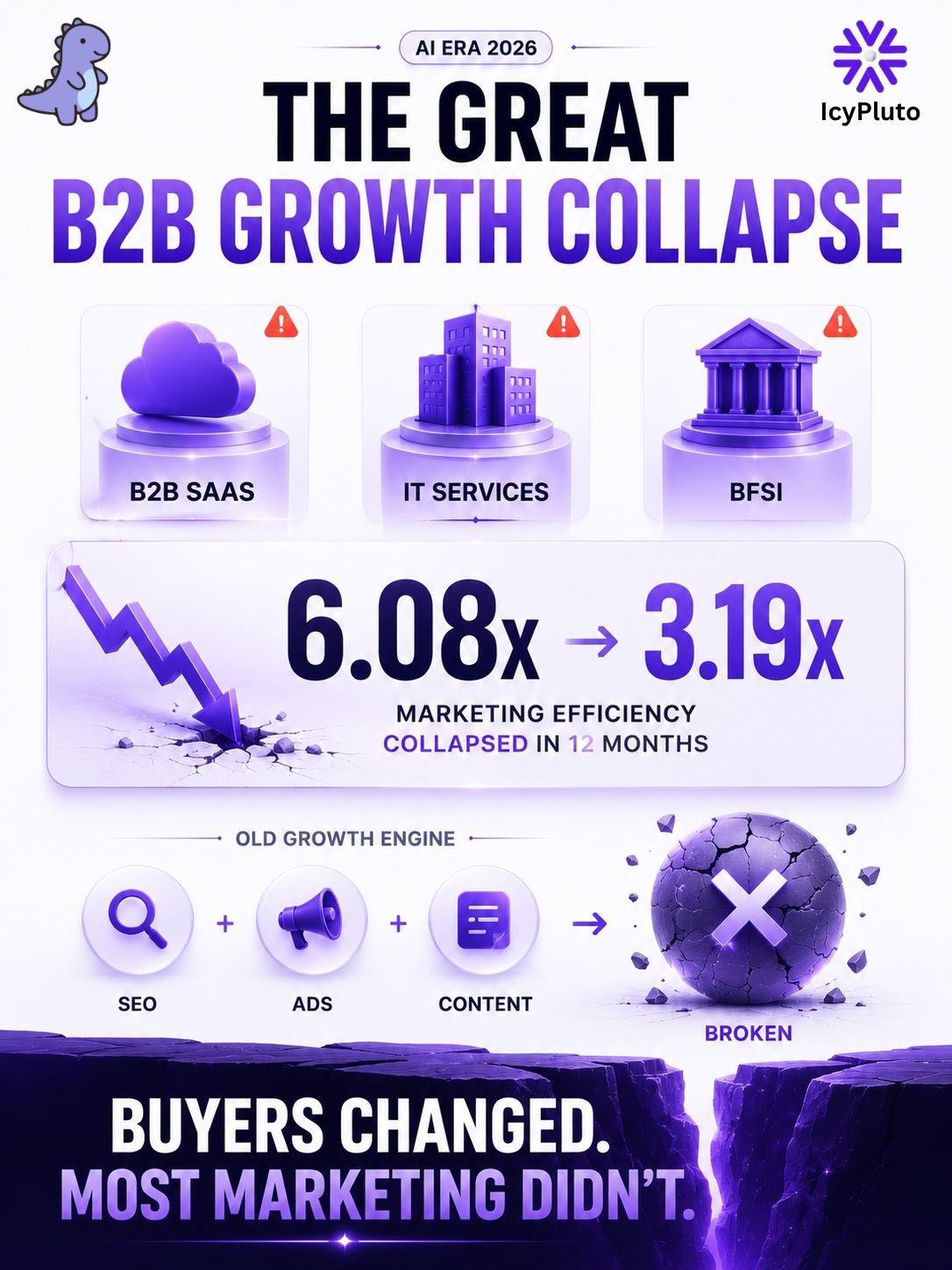
This hard-hitting blog reveals why IT, B2B SaaS, a...
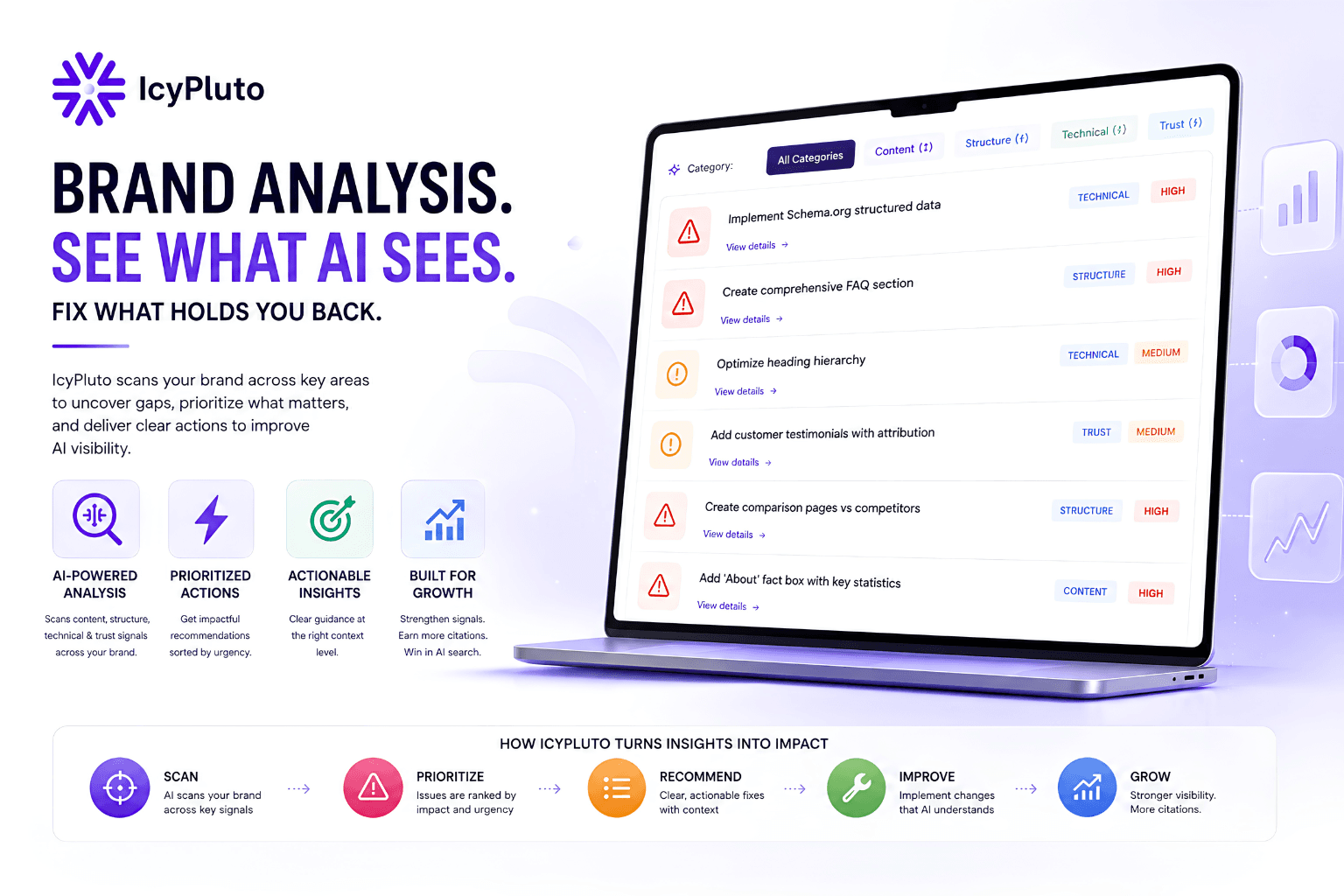
This blog explains why brands are losing visibilit...
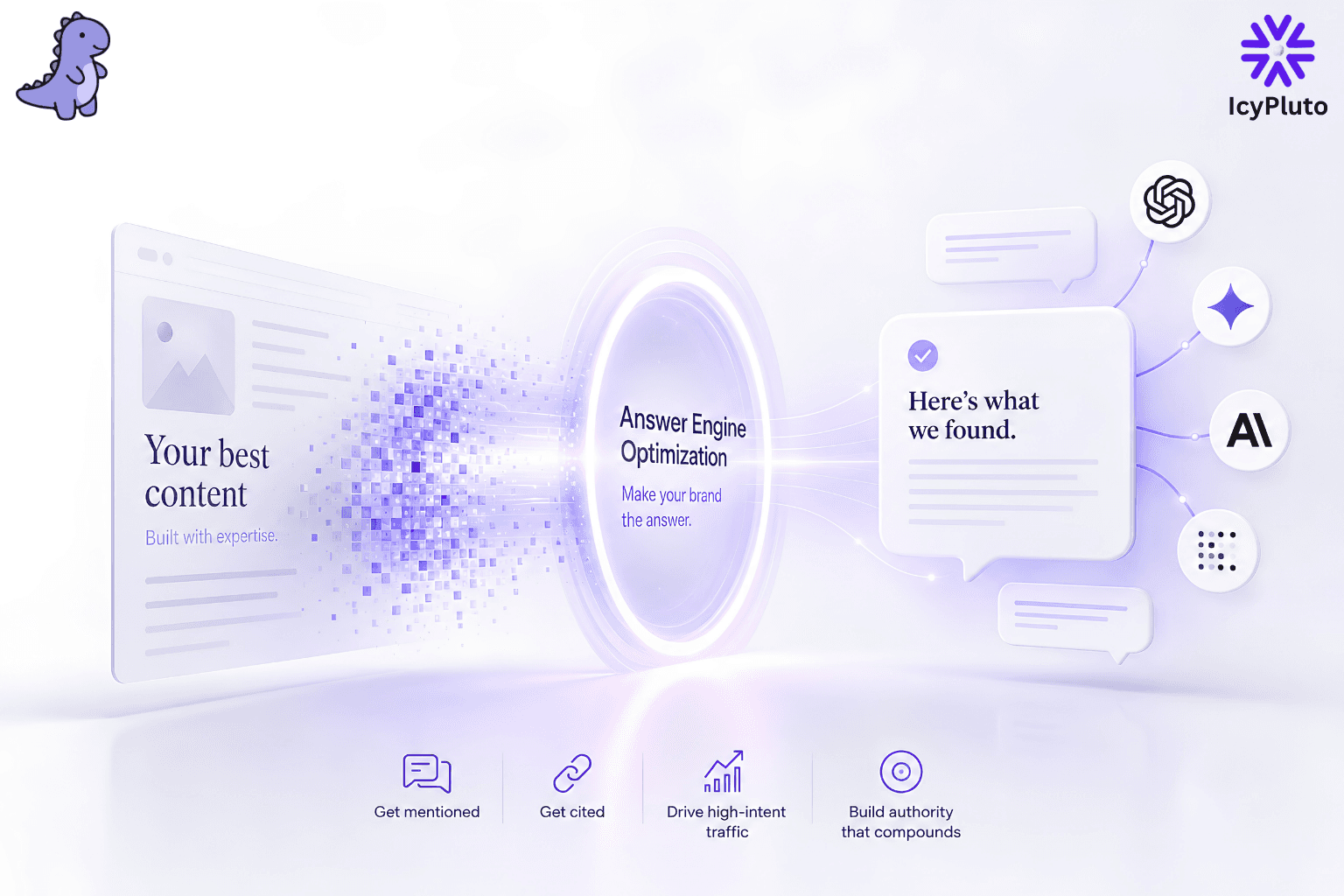
This blog breaks down why Answer Engine Optimizati...
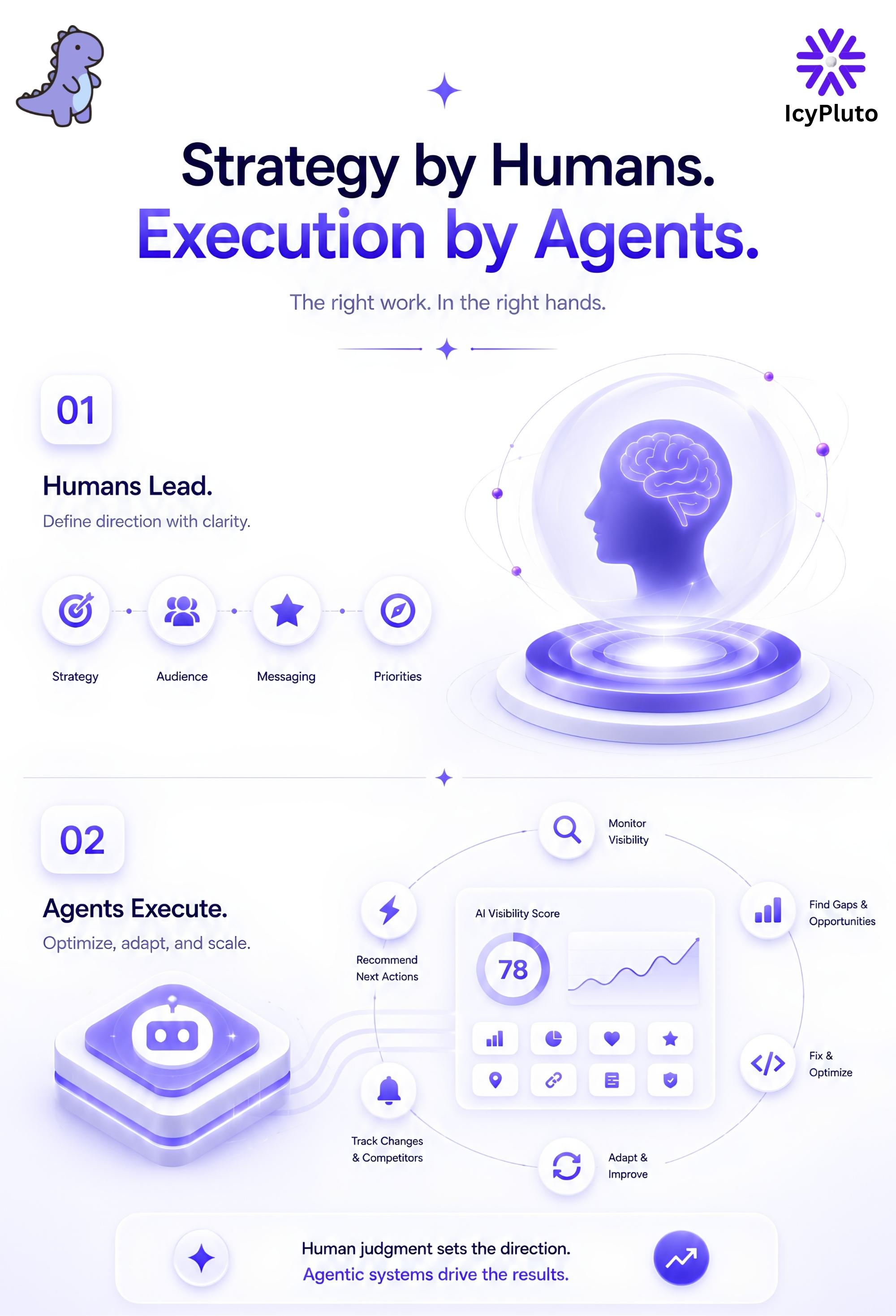
Marketing is entering a new operating model. Human teams still define the brand, but increasingly, agentic systems are taking over the work of continuous optimization, monitoring, and execution. The real advantage in 2026 will belong to teams that know exactly where human judgment should lead and where AI should carry the load.
This shift is not theoretical. Industry coverage of 2026 marketing trends highlights the rise of agentic workflows, continuous optimization, and AI-driven campaign execution as central themes for the year. At the same time, marketing automation research points to a broader shift toward adaptive systems that adjust content, timing, and performance in real time rather than waiting for manual intervention.
The line between strategy and execution is becoming one of the most important distinctions in modern marketing. Strategy requires business context, audience understanding, positioning, and judgment. Execution requires speed, consistency, iteration, and the ability to respond to changing data without delay.
That matters because marketing has become too complex for manual workflows alone. Brands now have to manage SEO, GEO, AEO, content operations, schema, authority signals, and AI search visibility simultaneously, and no human team can monitor every variable every day at scale. Agentic systems are filling that gap by turning repetitive work into a continuous process.
In simple terms, humans should decide what the brand should say and why it matters. Agents should handle the ongoing how, where, and when of execution.
Human teams should remain in charge of the work that depends on nuance and strategic judgment. That includes brand positioning, category narrative, messaging hierarchy, audience definition, and business priorities.
Humans are also better at recognizing when a claim sounds too aggressive, when a content angle misses the buyer’s reality, or when a campaign supports traffic but weakens trust. Those decisions require context that AI cannot safely infer on its own.
A strong marketing system does not remove the strategist. It protects the strategist from being buried in repetitive execution work.
Agentic systems are best used for tasks that are ongoing, measurable, and pattern-based. That includes monitoring AI visibility, identifying content gaps, surfacing competitor shifts, checking schema issues, and recommending next actions.
This is where IcyPluto’s AI Visibility Tracker becomes especially relevant. The platform can generate and run 1,000+ custom prompts across multiple AI models in under two minutes, then return an AI Visibility Score, per-LLM breakdowns, and nine core metrics. That turns a previously manual, fragmented process into a structured workflow that marketers can act on immediately.
That feature matters because AI search visibility is not static. A brand’s presence in ChatGPT, Gemini, Claude, and similar systems can change as models evolve and competitors publish new content. IcyPluto helps teams keep up with that change without relying on one-off audits or guesswork.
The timing of this shift is driven by both technology and behavior. Marketing trend coverage in 2026 shows a clear move toward AI copilots, agentic workflows, and continuous optimization rather than scheduled, rule-based campaigns. Research on AI marketing automation also suggests that AI is moving from isolated task support into full workflow orchestration.
One report cited in recent industry analysis says two-thirds of buyers are focusing on agentic AI for ad buying and campaign execution, while 73% are prioritizing content optimized for AI-generated answers. That is a strong signal that marketers are not only experimenting with AI — they are actively redesigning how work gets done.
In that environment, brands that still depend on fully manual execution will move more slowly, react later, and miss emerging visibility opportunities.
The best operating model is not “human versus AI.” It is a deliberate split:
Humans define the strategy.
Agentic systems execute and optimize within that strategy.
Humans review exceptions and refine direction over time.
This works because execution is where scale matters most. A marketing team can define a smart content strategy once, but it is impractical to manually check every AI model, every visibility gap, and every technical issue across the brand’s web footprint. A system like IcyPluto is useful because it compresses that work into a repeatable process.
The result is more than efficiency. It creates a tighter feedback loop between strategy and performance, so leaders can make better decisions faster.
In practical terms, the split looks like this:
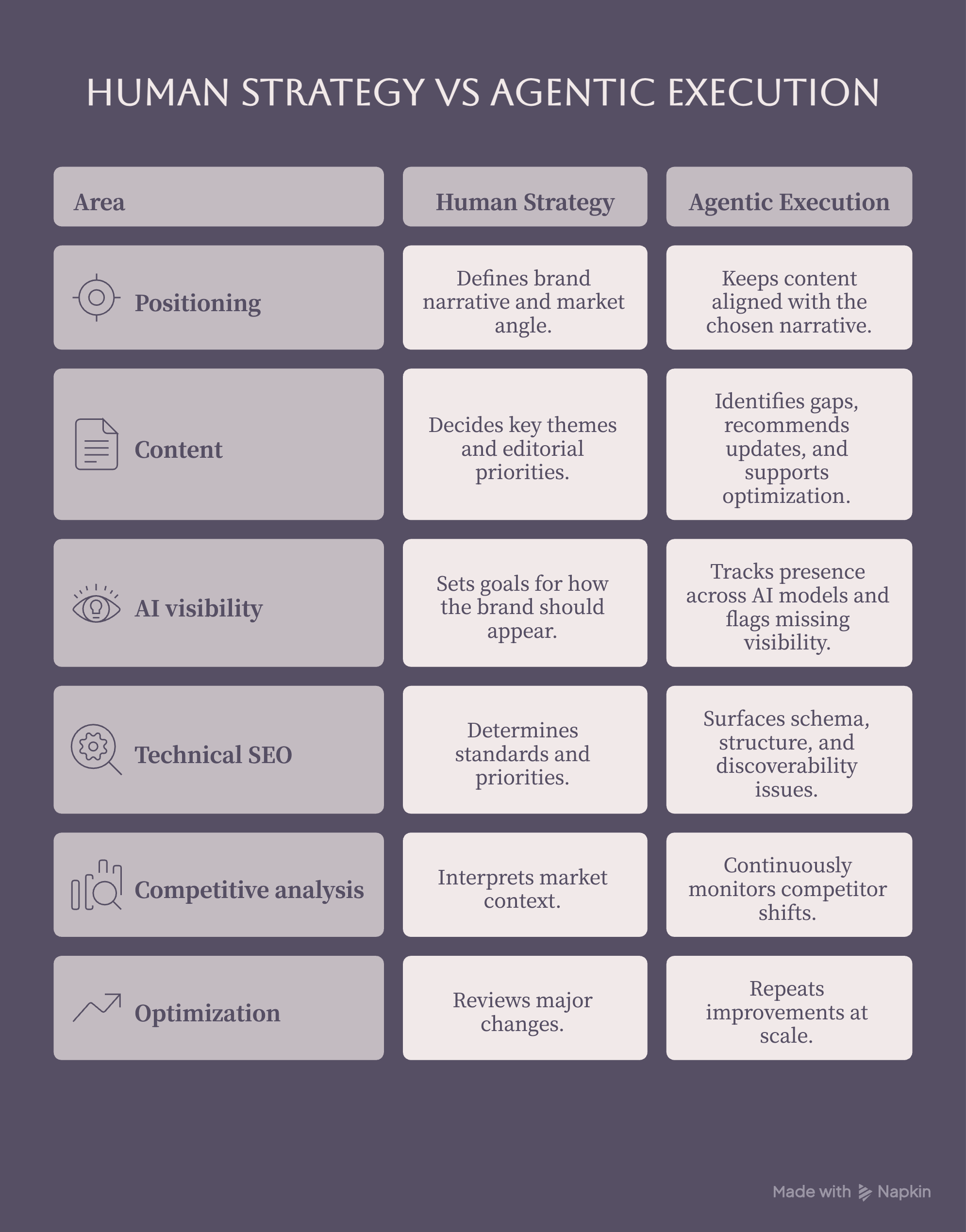
The key idea is that strategy remains human-led, but execution becomes machine-assisted and increasingly machine-driven.
Marketers are being asked to do more with less as the discovery landscape continues to change. Buyers are now using AI tools to ask questions, compare options, and shortlist brands earlier in the journey, which means visibility inside AI-generated answers matters more than ever.
That creates a new demand on teams: not just to publish content, but to ensure the brand is understood, cited, and recommended by AI systems. This is exactly the type of problem where agentic systems add value, because they can continuously monitor the market and trigger action without waiting for a human team to manually inspect every layer.
For brands using IcyPluto, the AI Visibility Tracker is especially helpful, as it shows where the brand stands across major AI models and what needs to change next. That makes it easier for marketers to focus on strategy while the platform handles the repetitive visibility work.
Agentic execution means AI systems can carry out ongoing marketing tasks with limited manual input, such as tracking visibility, surfacing gaps, and recommending improvements.
No. AI can support execution, but humans still need to define positioning, messaging, audience priorities, and brand judgment.
Because buyers increasingly use AI tools to discover and evaluate brands, visibility inside AI-generated answers is becoming part of the demand funnel.
IcyPluto’s AI Visibility Tracker scans brand visibility across multiple AI models, produces an AI Visibility Score, and helps teams understand what to improve next.
The biggest mistake is treating AI as a content shortcut instead of a system for continuous optimization and discovery.