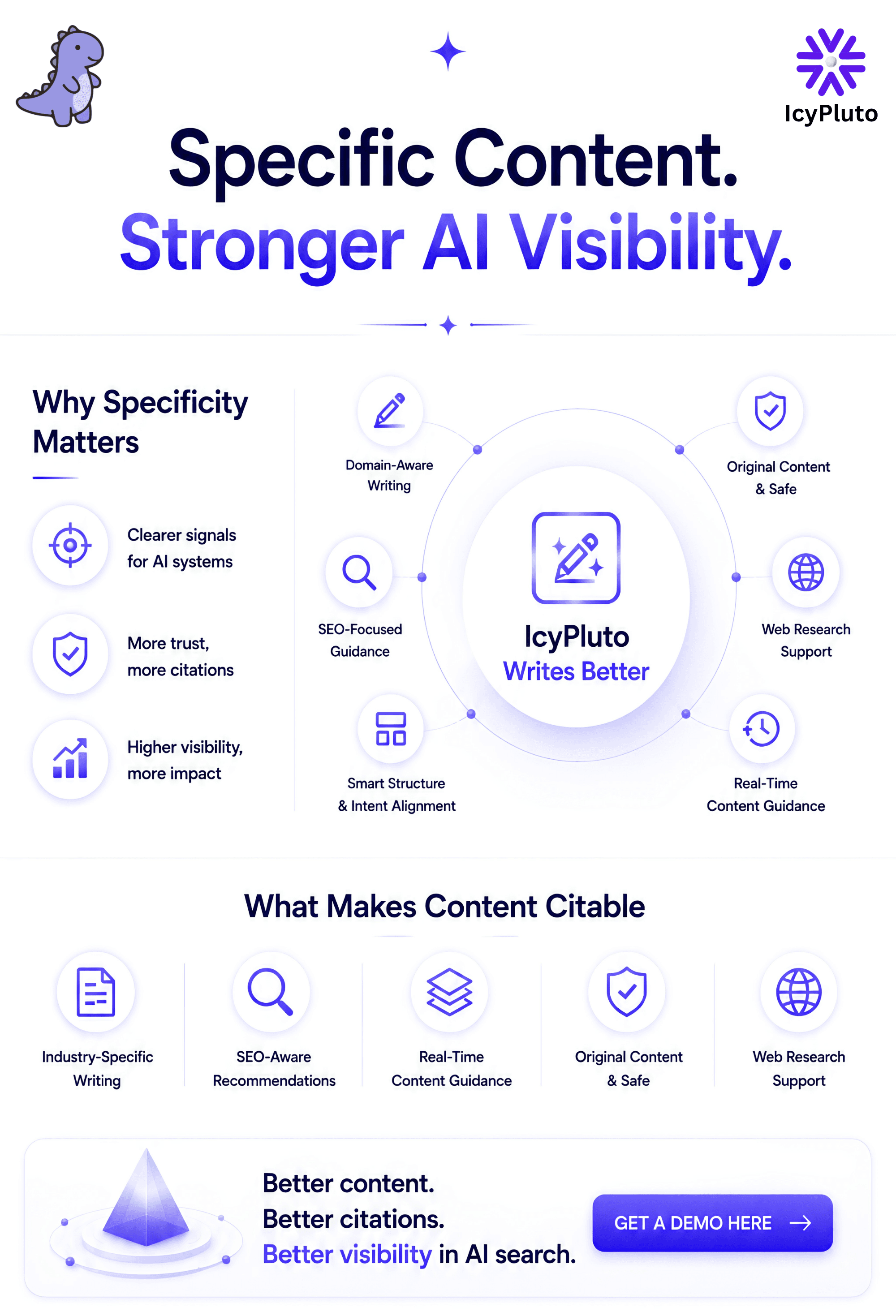
AI SEO writing is getting more specific, and that ...

AI search has turned visibility into a numbers gam...

A local GEO baseline audit helps you understand ho...

Over the years, web pages have become significantly heavier. What used to be relatively lightweight pages a decade ago has now evolved into complex, media-rich experiences. According to industry data, the average mobile webpage has grown from under 1 MB in 2015 to well over 2 MB today.
This increase is largely driven by modern design expectations. Websites now rely heavily on high-resolution images, videos, advanced JavaScript frameworks, third-party scripts, and interactive elements. While these features enhance user experience visually and functionally, they also contribute to larger page sizes.
The expansion in page size isn’t accidental—it reflects how the web itself has evolved. Businesses and developers are prioritizing immersive, app-like experiences on websites. Features like animations, dynamic content loading, personalization, and tracking scripts all add layers of complexity.
Additionally, marketing and analytics tools play a major role. Many websites include multiple tracking pixels, ad scripts, and integrations, each adding to the total page weight. Even though each script may seem small individually, together they create a significant impact.
One important point raised is that “page size” isn’t a single, universally defined metric. It can be interpreted in several ways:
The size of the raw HTML document
The total size of all resources downloaded (images, CSS, JavaScript)
The complete size required to fully render the page in a browser
Because of these different interpretations, discussions about page size can sometimes be misleading. What matters more is understanding which components contribute most to performance and how they affect both users and search engines.
From Google’s perspective, page size still matters—especially when it comes to crawling and indexing. Search engines allocate a limited “budget” when processing web pages. If a page is too large or complex, it may not be fully crawled or understood.
Google’s systems typically focus on a portion of the page’s content rather than processing everything indefinitely. This means that excessively large pages risk having important content overlooked if it appears too far down or is buried within heavy code.
At the same time, Google can fetch additional resources like images or scripts separately. However, the core HTML content still plays a critical role in how a page is indexed and ranked.
Structured data is another factor contributing to page size. It helps search engines better interpret content and can improve visibility through rich results. However, it also adds extra code that users never directly see.
This creates a balancing act: while structured data improves machine readability and SEO potential, it increases the overall weight of the page. The key is to use it strategically rather than excessively.
Despite advancements in technology and faster internet speeds, page size remains a crucial factor. Larger pages can lead to:
Slower load times, especially on mobile networks
Increased data usage for users
Reduced crawling efficiency for search engines
Potential delays in rendering important content
In a competitive digital landscape, even small performance differences can impact user engagement, bounce rates, and overall search visibility.
The modern web is naturally becoming heavier, and that trend is unlikely to reverse. However, that doesn’t mean page size can be ignored. The focus should be on optimization—ensuring that every element on a page serves a clear purpose.
Instead of simply adding more features, businesses and developers should prioritize efficiency, performance, and value. A well-optimized page that balances functionality with speed will always outperform one that is unnecessarily bloated.