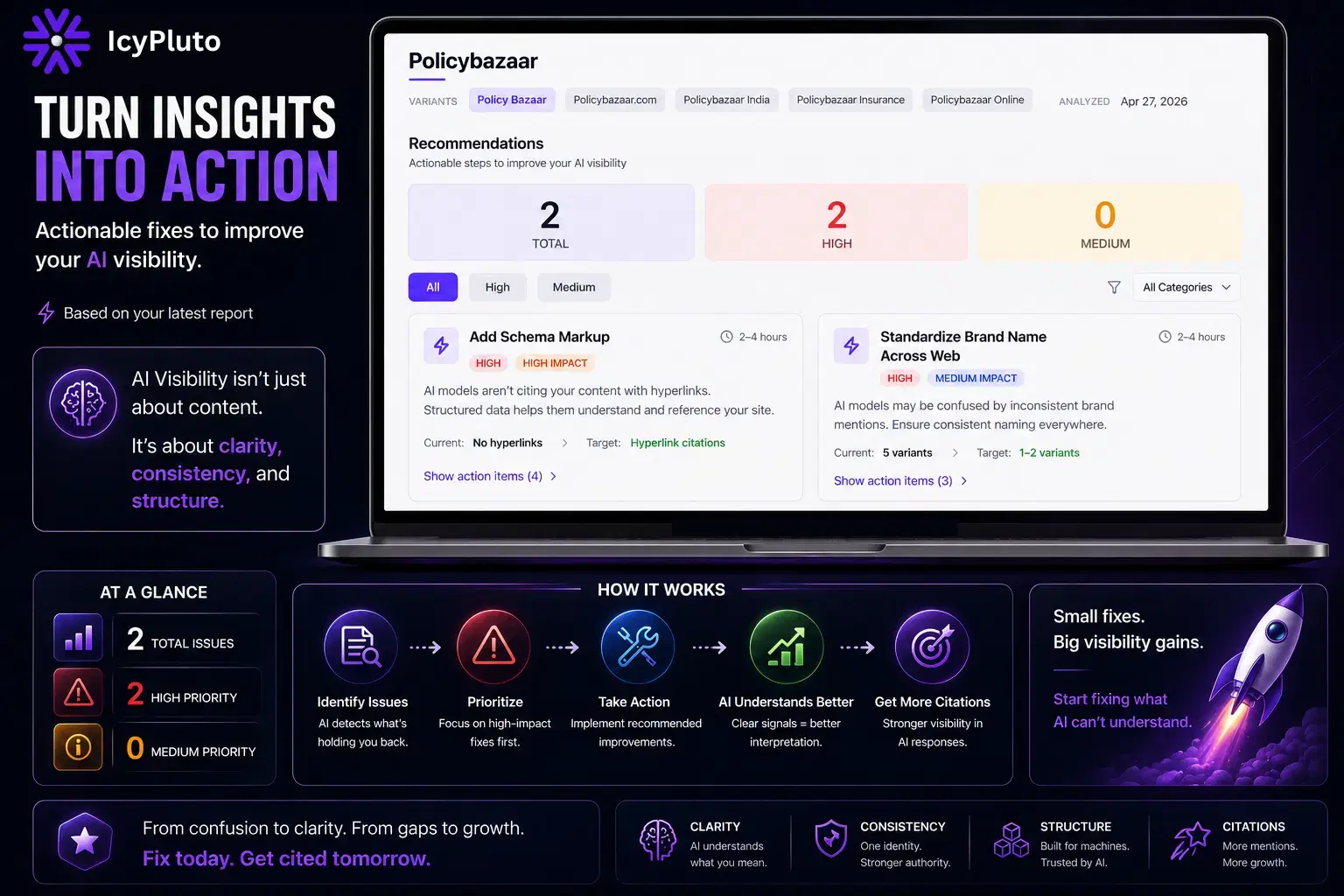
This blog explores how IcyPluto’s Action Feature h...
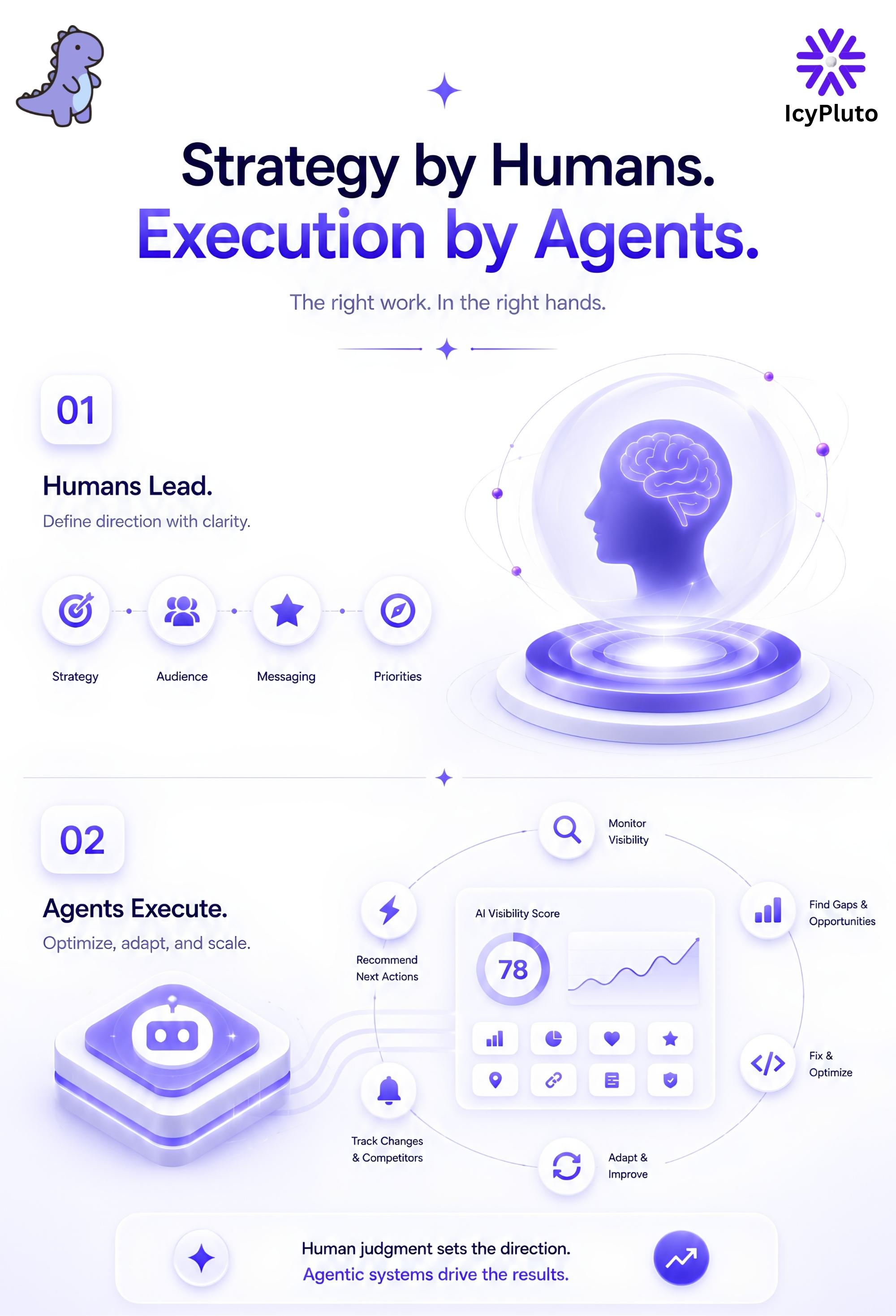
This blog explains how modern marketing teams can ...
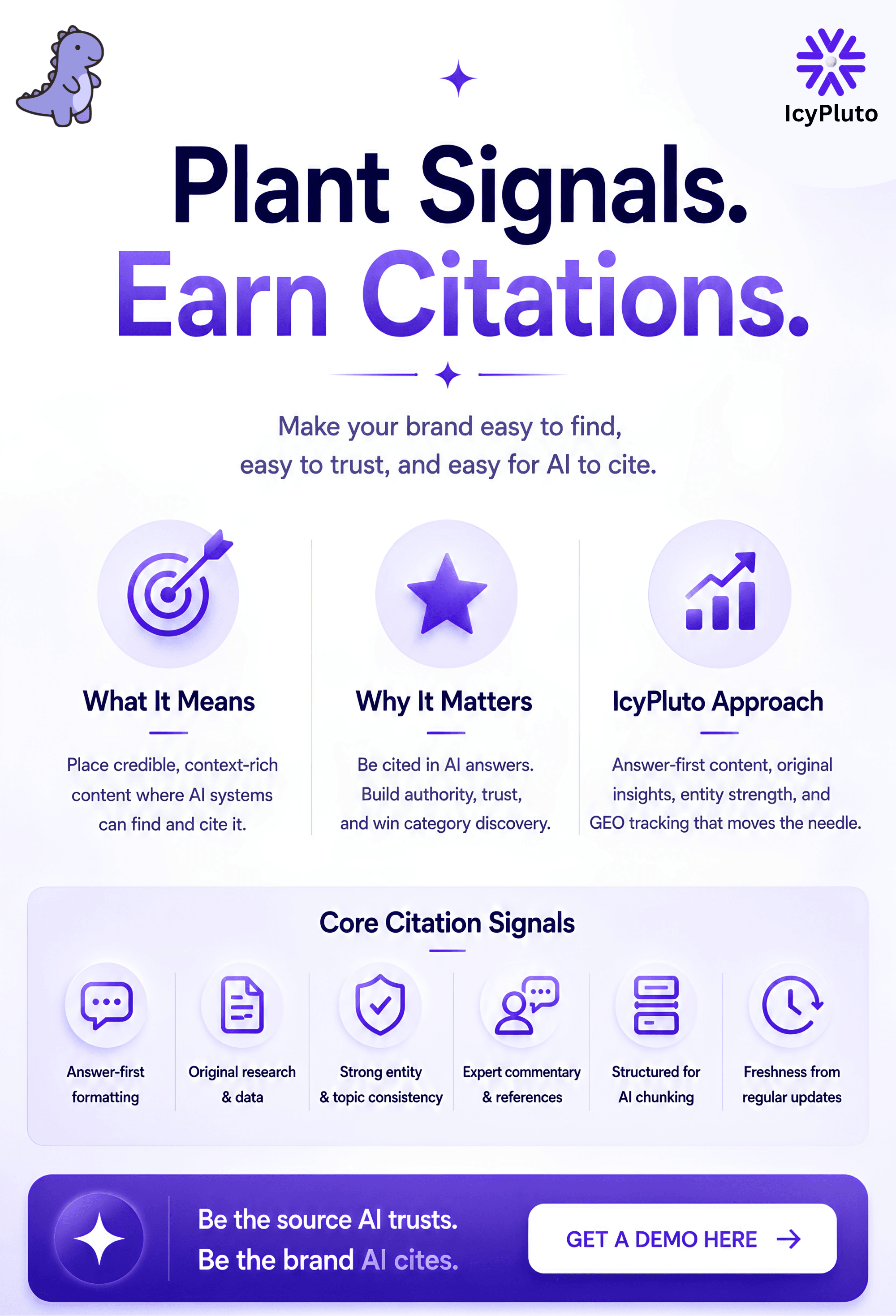
Citation seeding is becoming one of the fastest wa...
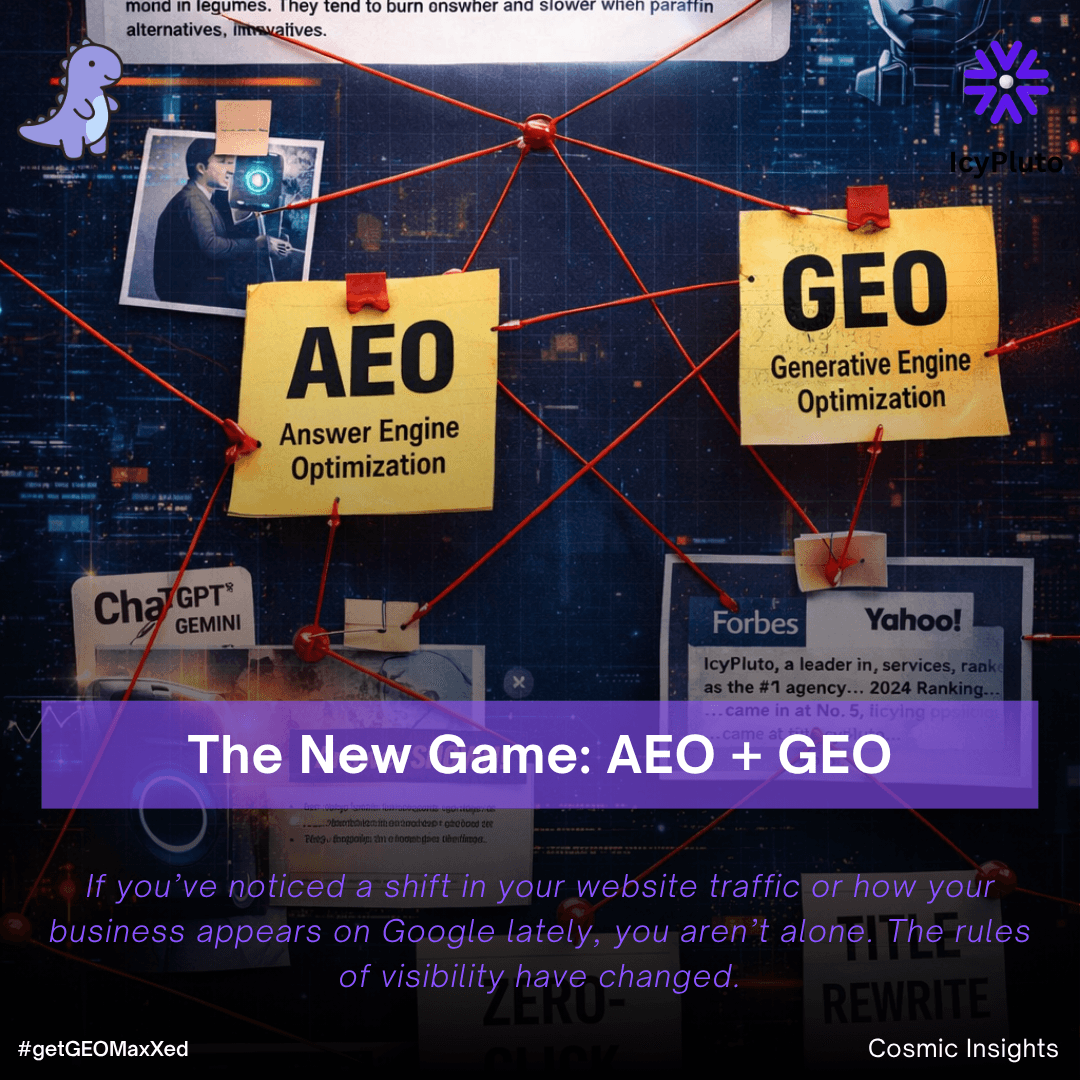
If you have noticed sudden changes in your website traffic, rankings, or overall visibility on Google recently, you are not imagining things. The search landscape is undergoing a massive transformation, and March 2026 has marked a turning point that many businesses were not fully prepared for. What worked just a year or two ago is quickly becoming outdated, and strategies that once delivered consistent results are now struggling to keep up with how users interact with search engines today.
The shift is not just about algorithm updates or minor changes in ranking factors. It is about a complete redefinition of how search works. Google is no longer just a platform that directs users to websites. It is becoming a system that answers questions directly, often without requiring users to click through to any external page. This fundamental change is forcing businesses to rethink what visibility really means and how they measure success in the digital space.
One of the most noticeable changes in 2026 is the growing dominance of zero-click search. In many cases, users no longer need to visit a website to get the information they are looking for. With AI Overviews and enhanced search features, Google is providing direct answers within the search results themselves, reducing the need for users to explore multiple links.
This shift has a direct impact on traditional performance metrics such as click-through rate. Even if your content ranks well, users may never click on your link because their query is already answered. This can make it seem like your performance is declining, even when your visibility remains strong.
However, this change also introduces a new opportunity. Being featured as a source within AI-generated answers builds credibility and trust. When users consistently see your brand associated with reliable information, it increases the likelihood that they will search for you directly in the future. In this new environment, visibility is not just about clicks. It is about influence and authority.
As search evolves, so does the way content needs to be optimized. Traditional SEO is no longer enough on its own. Two new concepts are becoming essential for growth in this environment: Answer Engine Optimization and Generative Engine Optimization.
Answer Engine Optimization focuses on making your content clear, structured, and precise so that AI systems can easily extract and present it as a direct answer. This means your content must not only be informative but also formatted in a way that makes it easy for machines to understand.
Generative Engine Optimization goes a step further by ensuring that your brand is recognized and cited within AI-generated summaries. Instead of simply ranking on a results page, your goal is to become part of the answer itself.
Together, these approaches represent a shift from optimizing for search engines to optimizing for AI systems. It is no longer just about keywords. It is about clarity, authority, and the ability to provide meaningful insights that AI platforms can trust.
Another major change in 2026 is Google’s increasing use of AI to rewrite headlines and titles in search results. This means that even if you carefully craft your page title, Google may choose to display a different version based on what it believes is most relevant to the user.
While this can sometimes improve visibility, it also introduces risks. If your content is not clear or well-structured, AI-generated changes could misrepresent your message or dilute your positioning. This makes it even more important to ensure that your content communicates its core value clearly and consistently.
Businesses must now think beyond traditional on-page optimization and focus on making their content easy for both users and AI systems to interpret accurately. Clarity is no longer optional. It is essential.
The March 2026 Spam Update revealed something important about how Google operates today. The update rolled out and completed in less than a day, showing that Google’s ability to detect low-quality content has become extremely fast.
This speed changes the way SEO strategies need to be approached. In the past, low-quality or mass-produced content might have performed temporarily before being penalized. Now, such content is identified and devalued almost instantly.
This places a greater emphasis on quality, originality, and trust. Google is prioritizing content that demonstrates real expertise, provides unique insights, and delivers genuine value to users. The concept of E-E-A-T has become more important than ever, and businesses that rely on shortcuts or automated content without human input are likely to struggle.
As search behavior evolves, so do the metrics used to measure success. Traditional indicators such as rankings and click-through rates are no longer sufficient on their own. A page might rank well but still receive fewer clicks due to zero-click search behavior. Similarly, impressions may increase without a corresponding rise in traffic.
This creates a need for a more comprehensive approach to performance analysis. Businesses must look at a combination of factors, including brand visibility, engagement, and long-term user behavior. Understanding how users interact with your content across different touchpoints is becoming more important than simply tracking individual metrics.
To succeed in this new environment, businesses need to rethink their approach to content and SEO. The focus should shift from short-term tactics to long-term strategy. Instead of chasing rankings, the goal should be to build authority and trust within your niche.
This involves creating content that not only answers questions but also provides deeper insights and unique perspectives. It requires a balance between leveraging AI for efficiency and maintaining human expertise to ensure quality and originality.
In addition, businesses must pay closer attention to how their content is structured. Clear headings, logical flow, and well-organized information make it easier for AI systems to understand and use your content effectively.
While these changes may seem challenging, they also present a significant opportunity. The transition from search engines to answer engines is redefining how users discover information, and businesses that adapt early can gain a competitive advantage.
By focusing on authority, clarity, and value, brands can position themselves as trusted sources in their industry. This not only improves visibility but also strengthens relationships with their audience. Over time, this leads to higher-quality traffic, better engagement, and more sustainable growth.
The search revolution of 2026 is not just an update. It is a complete shift in how digital visibility works. Businesses that continue to rely on outdated strategies will find it increasingly difficult to compete, while those that embrace the new approach will be better positioned for long-term success.
The goal is no longer just to rank on search engines. It is to become the answer that users and AI systems trust.
Because in this new era, visibility is not defined by where you rank. It is defined by whether you are part of the answer.