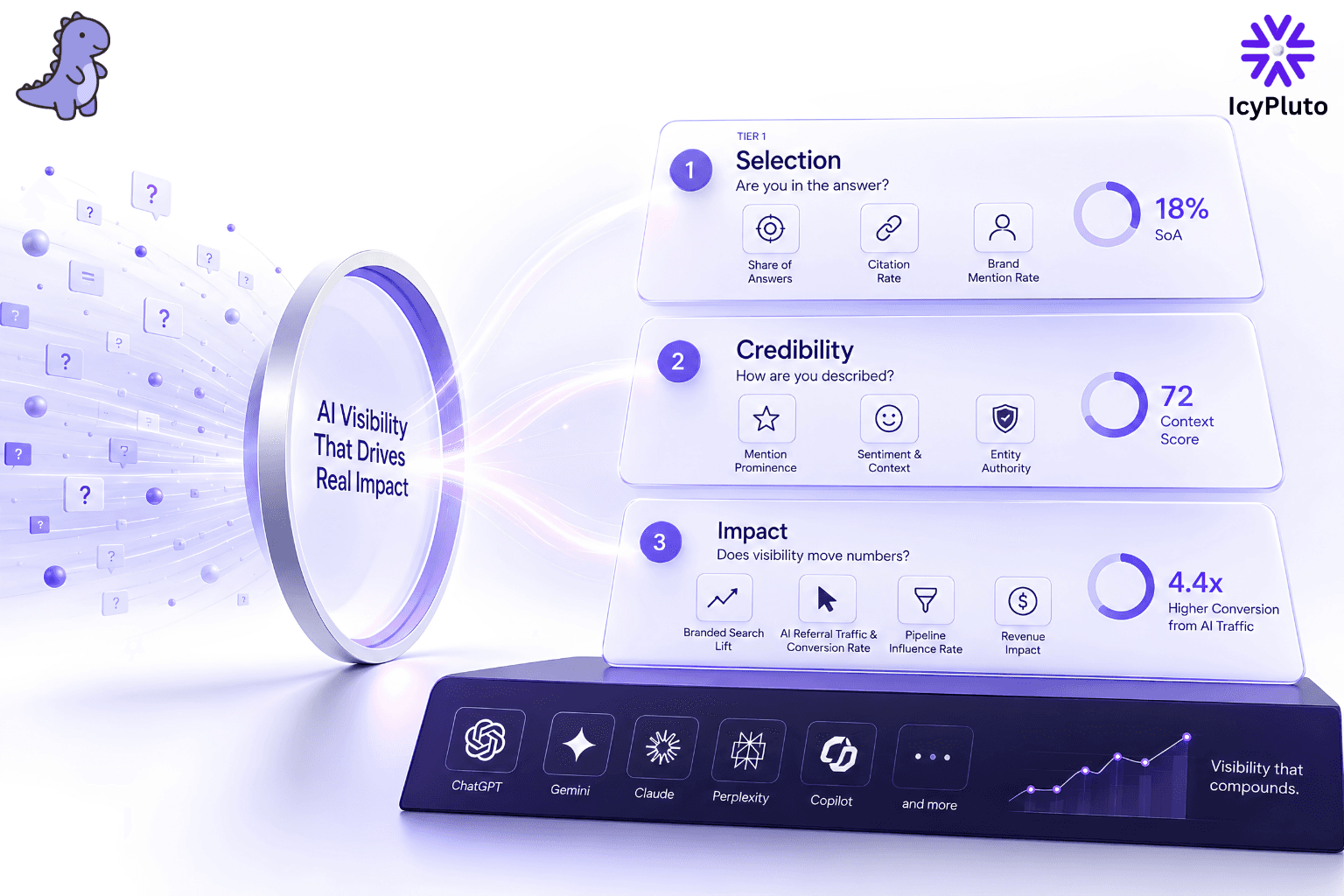
AI search has turned visibility into a numbers gam...
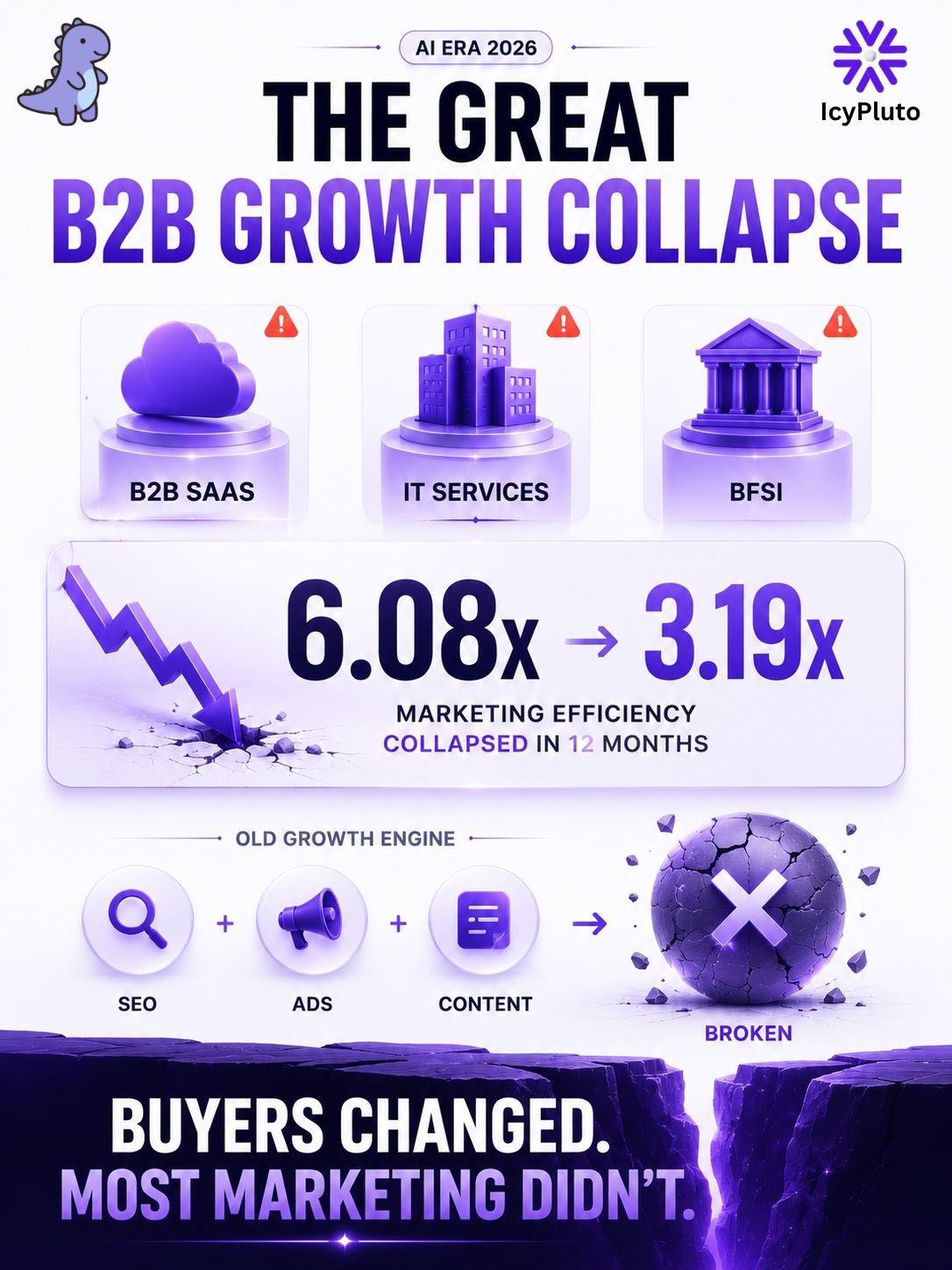
This hard-hitting blog reveals why IT, B2B SaaS, a...
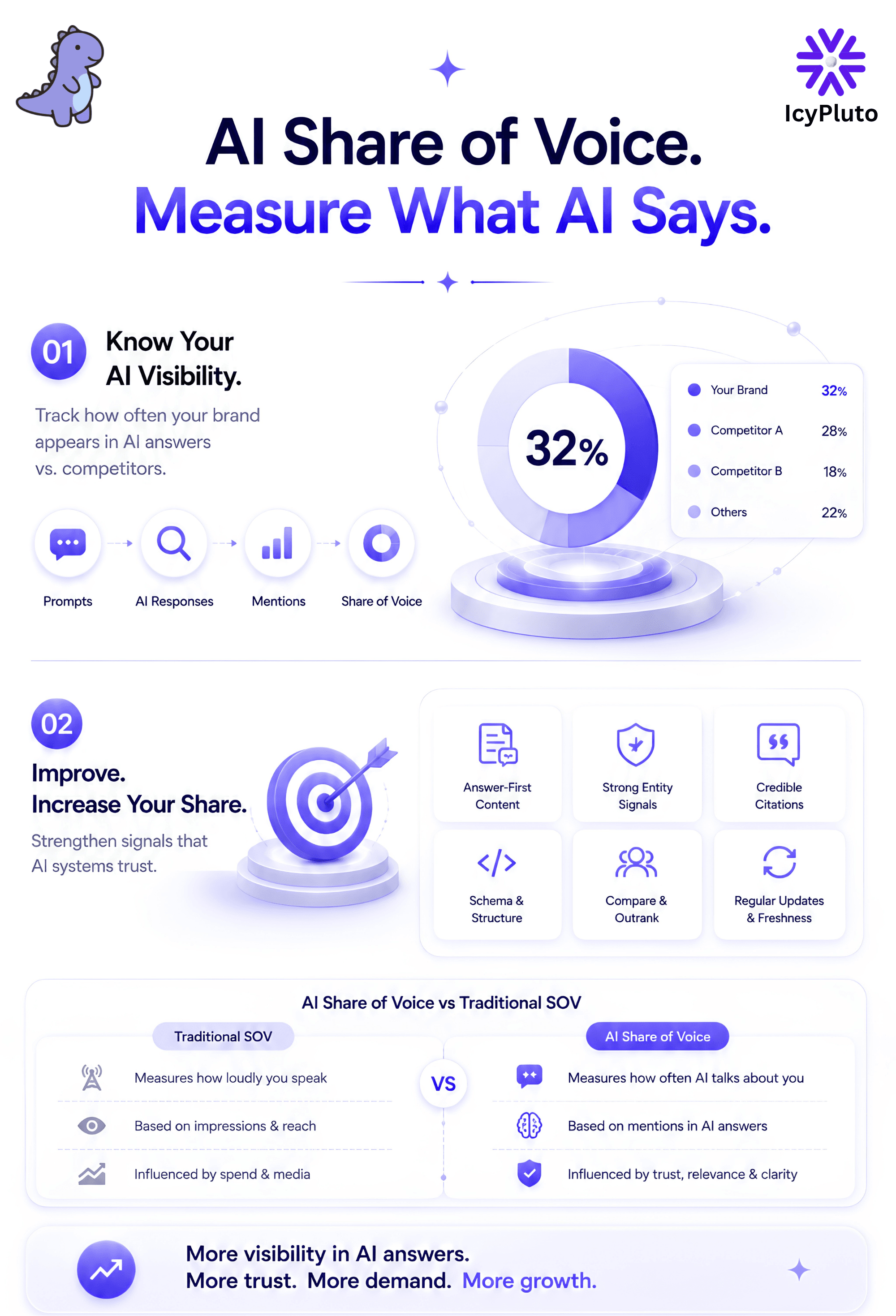
AI share of voice is the new visibility metric bra...
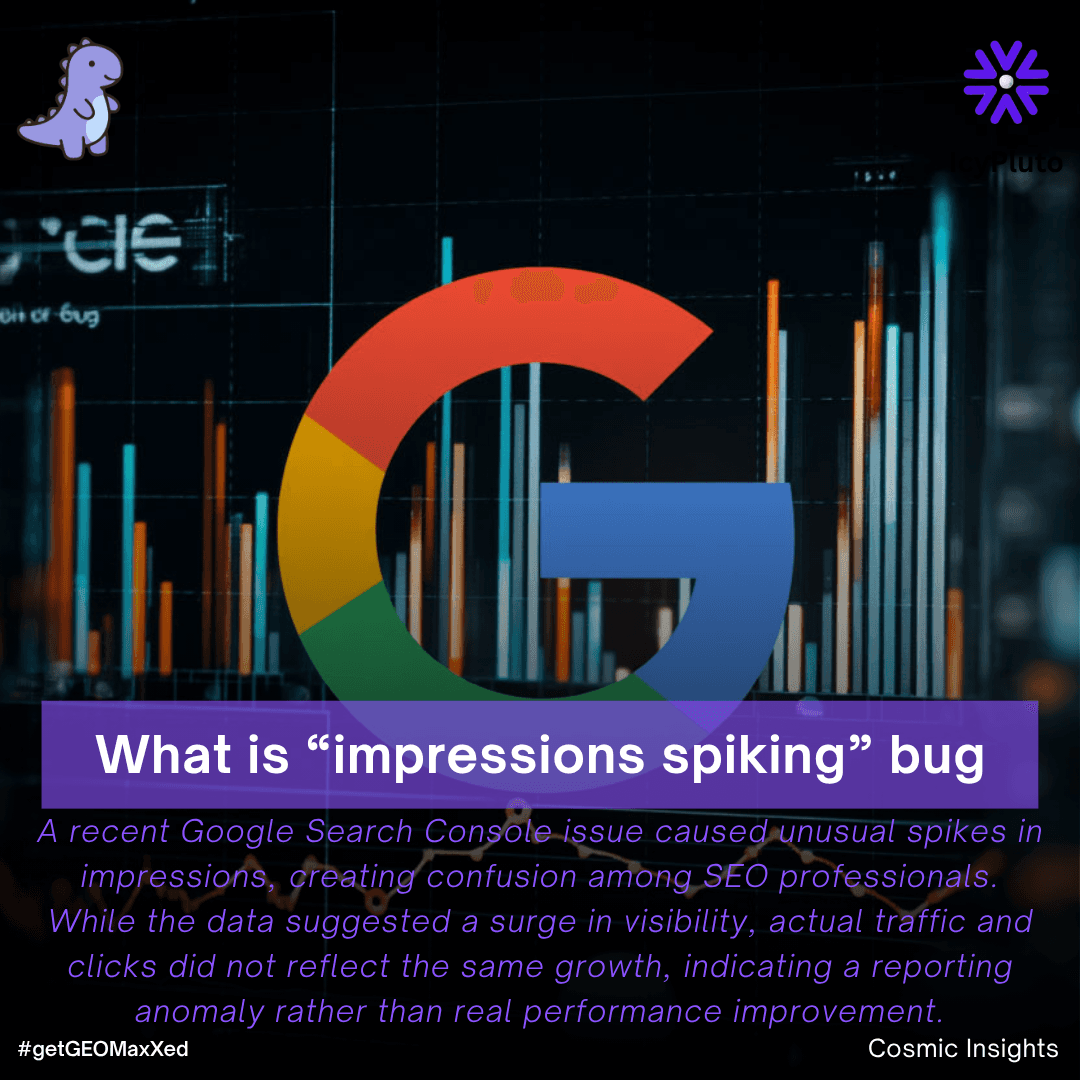
In the world of SEO, data is everything. Every strategy we build, every optimization we make, and every conclusion we draw is rooted in numbers. We constantly monitor impressions, clicks, CTR, rankings, and traffic to understand performance and identify opportunities. Over time, this reliance turns tools like Google Search Console into a source of truth for marketers and SEO professionals. But what happens when the data itself becomes unreliable? What happens when the numbers tell a story that is not actually happening?
Recently, many SEO professionals found themselves facing exactly this situation. Around March 30, users began noticing sudden and unusually large spikes in impressions within the Performance report of Google Search Console. These were not small fluctuations or normal variations. These were sharp, dramatic increases that made it look like visibility had exploded overnight. For anyone tracking performance closely, it looked like a breakthrough moment. It felt like something had finally worked. But as many quickly realized, the reality was very different.
At first glance, everything seemed positive. The graphs were rising steeply, and the impression counts were significantly higher than usual. For many, this created a sense of excitement and validation. However, when they looked beyond impressions and started analyzing deeper metrics, the inconsistency became clear. Clicks were not increasing in the same proportion. Website traffic remained largely unchanged. Conversions showed no meaningful shift. The only metric that had changed dramatically was impressions. This disconnect raised an important question. Was the growth real, or was something wrong?
According to insights shared within the SEO community and highlighted by Barry Schwartz, this behavior appears to be a reporting issue within Google Search Console rather than an actual increase in search visibility. In simple terms, what users were seeing was likely a measurement glitch and not a true reflection of performance. The spike existed in the data, but not in reality. And this is where the real problem begins, because when data becomes misleading, it can influence decisions in ways that negatively impact strategy.
This situation might seem like a minor technical issue at first, but its implications are much deeper. In SEO, even small inaccuracies can lead to significant strategic shifts. When marketers see a sudden spike in impressions, the natural instinct is to interpret it as success. They may assume that a recent change has worked, that a piece of content is gaining traction, or that their overall strategy is improving. Based on this assumption, they might double down on similar content, shift resources toward certain pages, or deprioritize other efforts. But if the spike is not real, all of these decisions are built on a false foundation.
What this incident highlights is a broader issue in modern digital marketing. There is an increasing tendency to trust tools without questioning them. Google Search Console, despite being one of the most reliable platforms available, is still a system. It collects, processes, and displays data at scale, and like any system, it is not immune to errors. When we treat it as an unquestionable source of truth, we risk overlooking inconsistencies that could mislead us. This impression spike bug is a reminder that data should guide decisions, but it should not be followed blindly.
To understand why this issue matters, it is important to revisit what impressions actually represent. An impression is counted when a page appears in search results. It does not mean that a user clicked on the page, and it does not even guarantee that the user noticed it. It simply means that the page was eligible to be shown. This makes impressions a useful but indirect metric. When impressions increase alongside clicks and traffic, it indicates genuine growth. But when impressions spike without any corresponding increase in user engagement, it signals that something may be off.
For anyone observing such spikes, the best approach is not to react immediately but to validate the data carefully. The first step is to check website traffic through analytics platforms. If impressions are rising but traffic remains stable, the spike is likely not real. The next step is to analyze clicks. Click data tends to be more reliable because it reflects actual user interaction. If clicks do not increase along with impressions, it strengthens the case for a reporting anomaly. Another important factor to consider is CTR. A sudden drop in CTR combined with a spike in impressions often indicates inflated visibility numbers rather than meaningful growth. It is also useful to compare data across different filters within Google Search Console, as the issue appears to be more prominent in certain filtered views. Finally, reviewing keyword rankings can provide additional context. If rankings have not improved significantly, a dramatic increase in impressions is unlikely to be accurate.
Beyond the immediate issue, there is a larger lesson here for SEO professionals. The role of data is evolving, and so should our approach to interpreting it. Today’s search ecosystem is more complex than ever. We are no longer dealing with just search engine rankings. We are dealing with AI-generated answers, zero-click searches, personalized results, and constantly shifting user behavior. In this environment, relying on a single metric or a single tool is no longer sufficient. The most effective strategies come from combining multiple data points and understanding the relationships between them.
This is where the concept of data validation becomes critical. Instead of simply asking what the data shows, we need to ask whether the data makes sense. Does it align with user behavior? Does it match traffic patterns? Does it reflect what we would logically expect given recent changes? By asking these questions, we move from passive observation to active analysis. This shift in mindset is essential for navigating the complexities of modern SEO.
The timing of this issue also highlights an important transition in the industry. As search continues to evolve, visibility is no longer limited to traditional search results. AI-driven platforms are changing how users interact with information. Instead of browsing multiple links, users are increasingly relying on summarized answers, conversational interfaces, and curated insights. This shift makes it even more important to measure performance accurately. If the tools we rely on show inconsistencies, it becomes harder to understand how content is truly performing across different discovery layers.
One of the biggest risks in situations like this is overreaction. SEO professionals often respond quickly to changes in data, especially when those changes appear significant. A sudden spike can lead to overconfidence, while a sudden drop can lead to panic. Both reactions can result in unnecessary adjustments that disrupt long-term strategy. The impressions spike bug is a reminder that not every change requires immediate action. Sometimes, the best response is to pause, analyze, and wait for clarity.
Ultimately, this situation reinforces a simple but important truth. Data is powerful, but it is not perfect. Even the most trusted tools can produce anomalies. The responsibility lies with us to interpret the data correctly and to ensure that our decisions are based on a comprehensive understanding of performance. Successful SEO is not just about tracking numbers. It is about understanding what those numbers represent and how they connect to real user behavior.
As the digital landscape continues to evolve, the ability to question, validate, and interpret data will become increasingly valuable. Those who develop this skill will be better equipped to navigate uncertainty, avoid missteps, and build strategies that deliver sustainable growth. Because in the end, the goal is not just to collect data, but to turn it into meaningful insight.