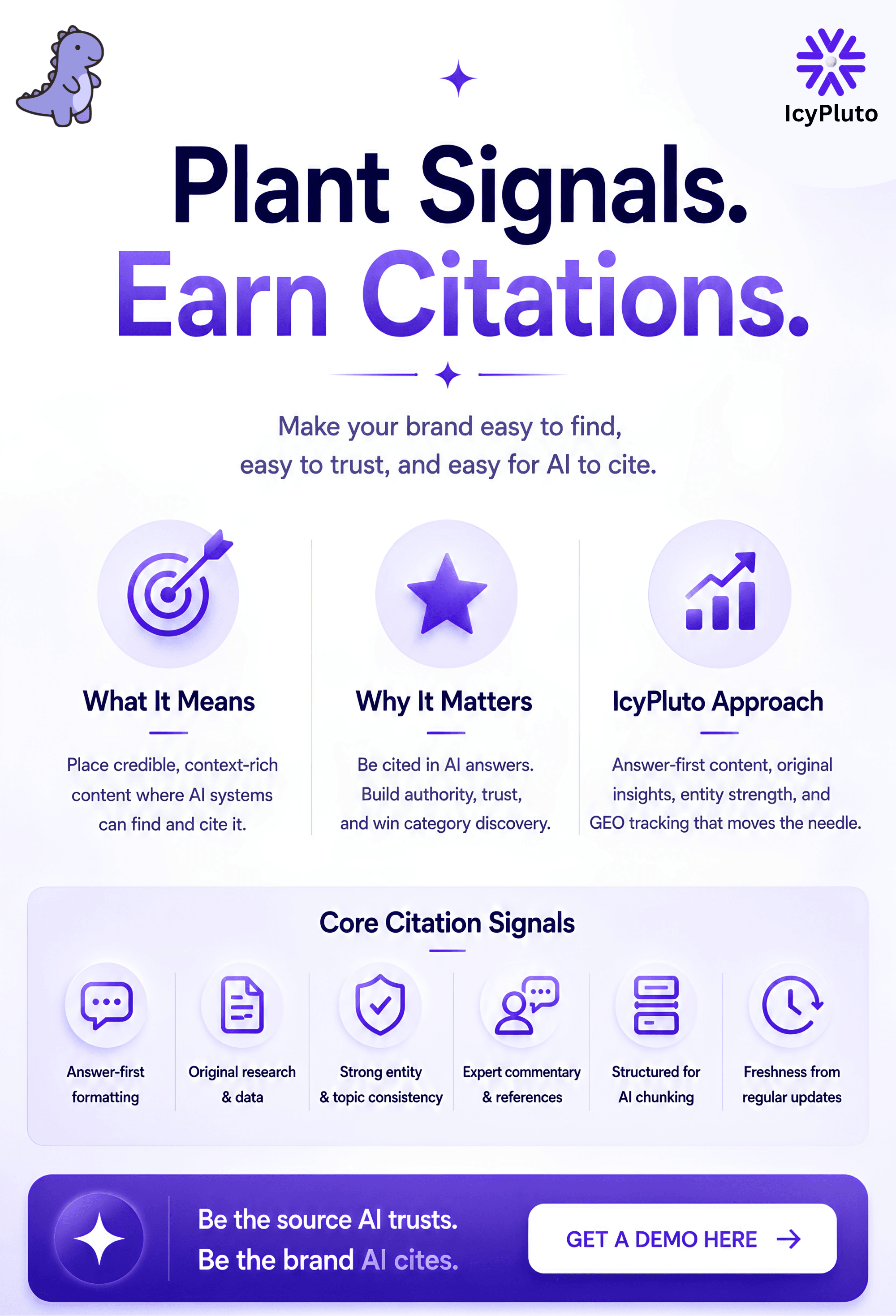
Citation seeding is becoming one of the fastest wa...
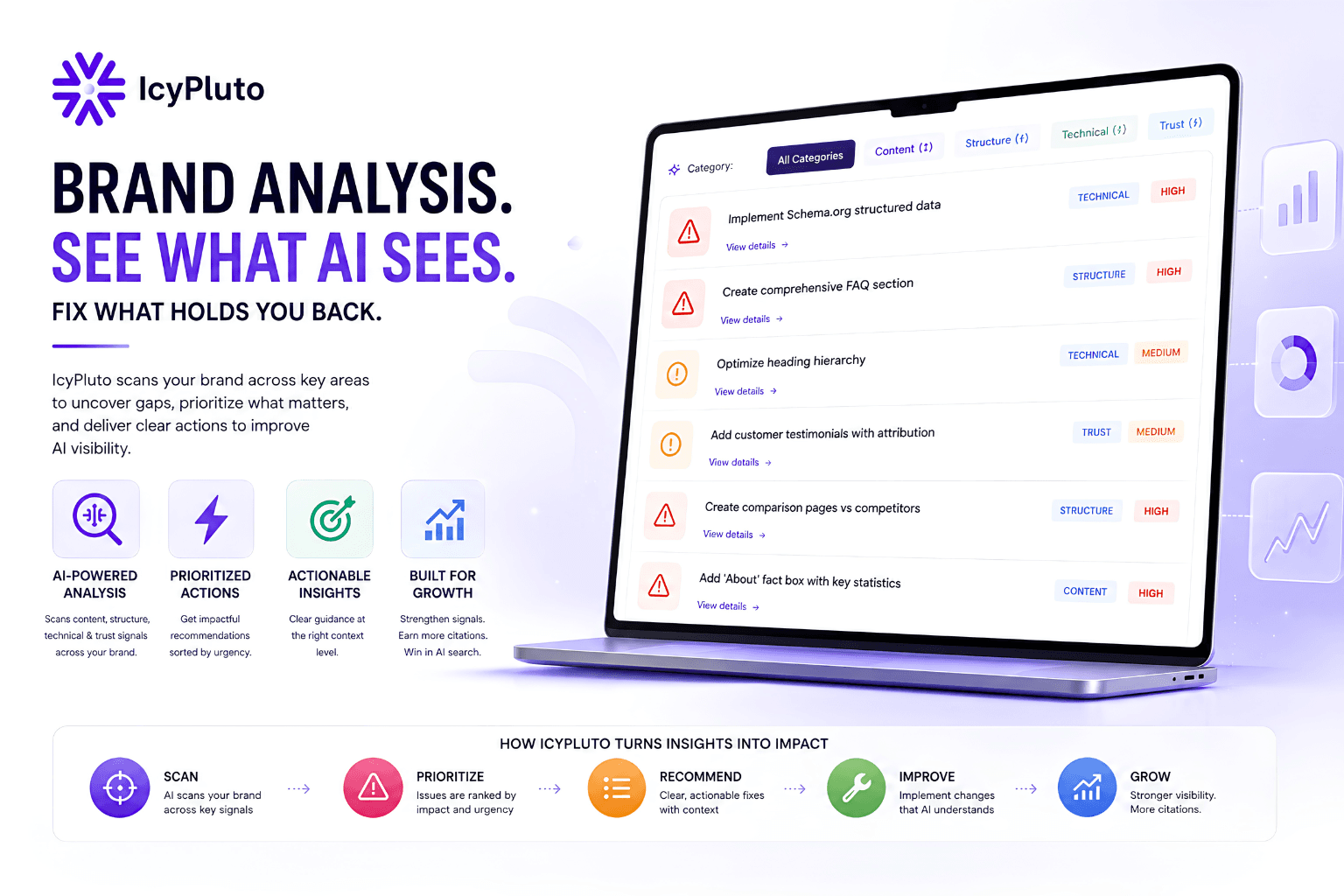
This blog explains why brands are losing visibilit...
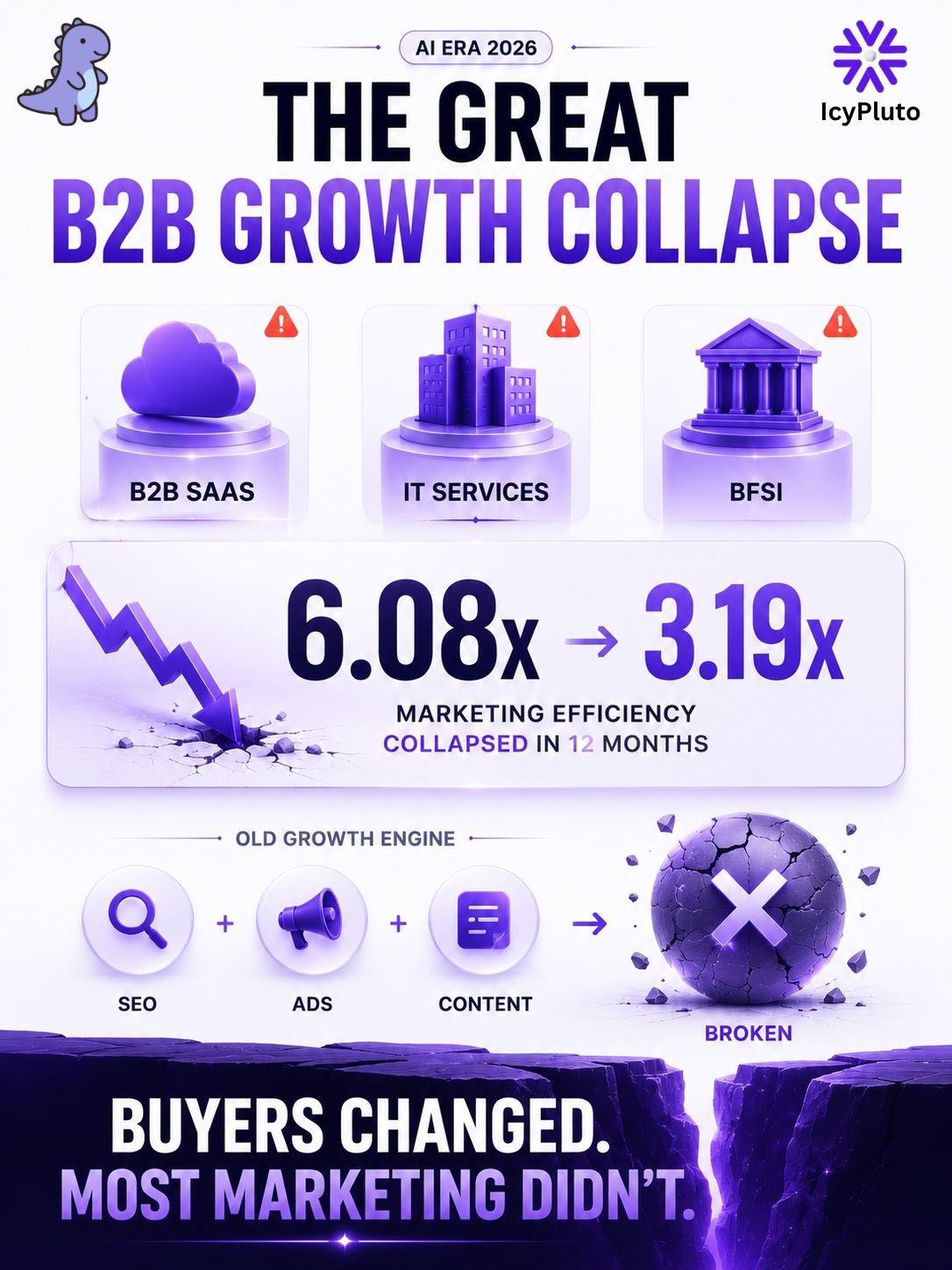
This hard-hitting blog reveals why IT, B2B SaaS, a...
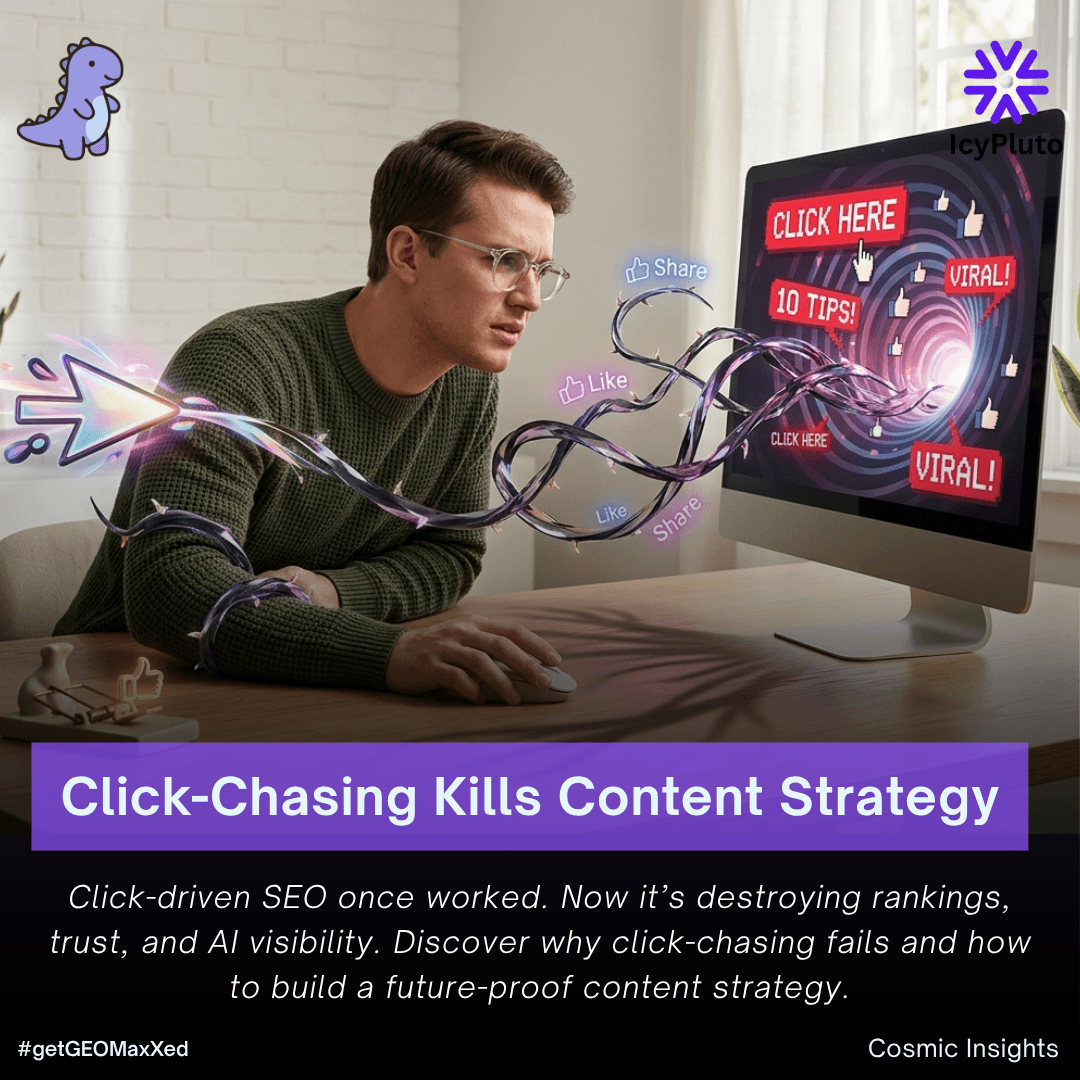
For years, the content marketing playbook was simple. More traffic meant more success. Publishers, brands, and marketers optimized everything around clicks, impressions, and pageviews. It worked so well that traffic became the primary KPI across digital teams.
At its peak, this strategy delivered explosive growth. According to industry benchmarks, organic search contributes over 53% of total website traffic, making it the most attractive acquisition channel. Naturally, leadership teams doubled down. More SEO. More content. More clicks.
But something subtle and dangerous happened in the process.
Content stopped being about value and started being about volume. Editorial decisions shifted from “what does the audience need?” to “what will generate the most clicks?” Headlines became engineered for curiosity gaps. Topics were selected based purely on search volume. Depth took a backseat to speed.
Initially, this shift feels like progress. Traffic graphs go up. Ad revenue increases. Dashboards look impressive.
But this growth is deceptive. It is not durable. And more importantly, it comes at a cost most teams do not measure until it is too late.
Click-chasing works because it exploits how traditional search engines used to function. Ranking high meant visibility, and visibility meant traffic, regardless of content depth.
This created a powerful feedback loop.
Marketers discovered that optimizing headlines, targeting high-volume keywords, and publishing frequently could drive disproportionate traffic gains. Studies from HubSpot show that companies publishing 16+ blog posts per month get 3.5x more traffic than those publishing less frequently. That stat fueled aggressive content production strategies.
But here is the hidden flaw.
Traffic is a vanity metric when disconnected from value. A pageview does not equal trust, loyalty, or revenue. In fact, bounce rates for SEO-driven content often exceed 50% to 70%, especially when users feel misled by click-optimized headlines.
Over time, this creates a content ecosystem filled with:
Repetitive articles targeting the same keyword
Thin rewrites of existing top-ranking pages
Misleading or exaggerated headlines
Broad topic expansion beyond expertise
The result is a content strategy that scales volume but erodes authority.
And that erosion compounds silently.
Google has been systematically targeting low-quality, high-volume content strategies for years. Every major core update reinforces one pattern. Sites that prioritize clicks over value eventually lose.
Data from multiple SEO studies shows that over 60% of websites impacted by core updates experience traffic drops exceeding 30%, with some losing over 50% visibility overnight.
This is not random. It is structural.
Click-chasing introduces patterns that Google’s systems are designed to detect:
Content duplication across similar topics
Lack of original insights or expertise
Artificial headline optimization for CTR
Expansion into irrelevant subject areas
Once these signals accumulate, recovery becomes extremely difficult. It is not just about fixing a few pages. The entire domain develops a reputation for low-value content.
This is why many sites never fully recover after repeated algorithm hits.
The strategy that once drove growth becomes the very reason for decline.
The biggest disruption is not Google updates. It is the rise of AI-driven search.
Platforms like ChatGPT, Perplexity, and Google’s AI Overviews are fundamentally changing how users consume information. Instead of clicking links, users get direct answers.
And the data is staggering.
According to Semrush (2025), 93% of AI-powered search queries end without a single click to an external website. This completely breaks the click-chasing model.
In this new environment, ranking is no longer enough. Being visible is no longer enough.
You either get cited as a source, or you disappear.
There is no “page two.” There is no fallback visibility.
This creates a binary outcome:
High-quality, expert-driven content gets referenced
Click-optimized, shallow content gets ignored
The rules of the game have changed at a fundamental level.
AI systems evaluate content differently from traditional search engines. They prioritize signals that are almost the opposite of click-chasing tactics.
First, depth beats breadth. A website with 30 highly authoritative articles in one niche will outperform a site with 300 shallow posts across multiple topics. This aligns with research showing that top-ranking content averages over 1,400 words and includes original insights or data.
Second, originality is critical. AI models are trained on massive datasets and can detect redundancy. Content that simply rephrases existing articles offers no additional value and is less likely to be cited.
Third, clarity matters more than engagement tricks. Techniques like burying the key information to increase dwell time actually hurt AI extraction. AI systems prefer content that delivers answers quickly and clearly.
Finally, technical accessibility plays a role. AI crawlers often struggle with JavaScript-heavy websites or slow-loading pages. Clean, structured, and accessible content has a higher chance of being used.
Click-chasing undermines all of these factors.
It produces volume instead of depth, repetition instead of originality, and manipulation instead of clarity.
One of the most overlooked consequences of click-chasing is long-term brand damage.
When a brand consistently publishes low-value, keyword-driven content, it trains both users and algorithms to associate it with mediocrity. Over time, this perception becomes embedded in the broader web ecosystem.
This matters more than ever because AI models learn from the internet itself.
If your content history is filled with shallow articles, that becomes part of the training data influencing how AI systems evaluate your authority.
In other words, click-chasing does not just hurt rankings. It rewires how machines perceive your brand.
Rebuilding from this position is significantly harder than starting with a quality-first approach.
The difference between these two approaches is not tactical. It is philosophical.
Click-chasing prioritizes traffic volume. Quality-first strategies prioritize value creation.
In click-chasing models, topics are selected based on search volume. In quality-first models, topics are driven by audience needs and domain expertise.
Content depth also diverges significantly. Click-focused content tends to be thin and repetitive, while quality-first content emphasizes research, unique perspectives, and actionable insights.
Even success metrics differ. Instead of tracking raw traffic, advanced teams now measure:
Return visitor rate
Time to value
Revenue per visit
AI citation frequency
This shift reflects a broader truth.
Traffic is no longer the best proxy for success.
Moving away from a click-driven strategy requires more than minor adjustments. It demands a complete rethinking of how content is created and measured.
The first step is redefining success metrics. Traffic should no longer sit at the top. Instead, focus on engagement quality and authority signals. For example, brands that prioritize returning visitors often see 2x higher conversion rates compared to first-time traffic.
Next, reduce content volume and increase depth. Publishing fewer, high-quality articles consistently outperforms mass production in the long run. Research shows that long-form, insight-driven content generates 77% more backlinks, which directly improves authority.
Another critical shift is narrowing your focus. Expanding into unrelated topics dilutes expertise. Instead, double down on your core niche and build topical authority.
Finally, invest in original insights. This could include proprietary data, expert opinions, frameworks, or case studies. Content that can be cited will outperform content that only ranks.
The transition may feel slower at first.
But it builds something far more valuable than traffic.
It builds defensibility.
SEO is not dying. It is evolving. The next phase is not about ranking pages. It is about becoming a trusted source for AI-generated answers. This requires a shift from traditional SEO to what many now call Answer Engine Optimization.
Instead of asking, “How do we rank for this keyword?” the better question is:
“How do we become the source that AI systems trust and cite?”
This shift changes everything. It forces brands to prioritize expertise, originality, and clarity. It rewards those who invest in real value rather than superficial optimization.
And it punishes those still chasing clicks in a system that no longer depends on them.
Click-chasing is seductive because it works quickly. It delivers measurable results. It satisfies short-term goals. But it is fundamentally unstable.
The combination of Google updates and AI-driven search has exposed its weaknesses. What once drove growth now accelerates decline. The future belongs to brands that understand a simple principle. Content is not about attracting clicks; it is about earning trust, delivering value, and becoming a source worth referencing.
Those who adapt will thrive. Those who don’t will slowly disappear from both search results and AI-generated answers.