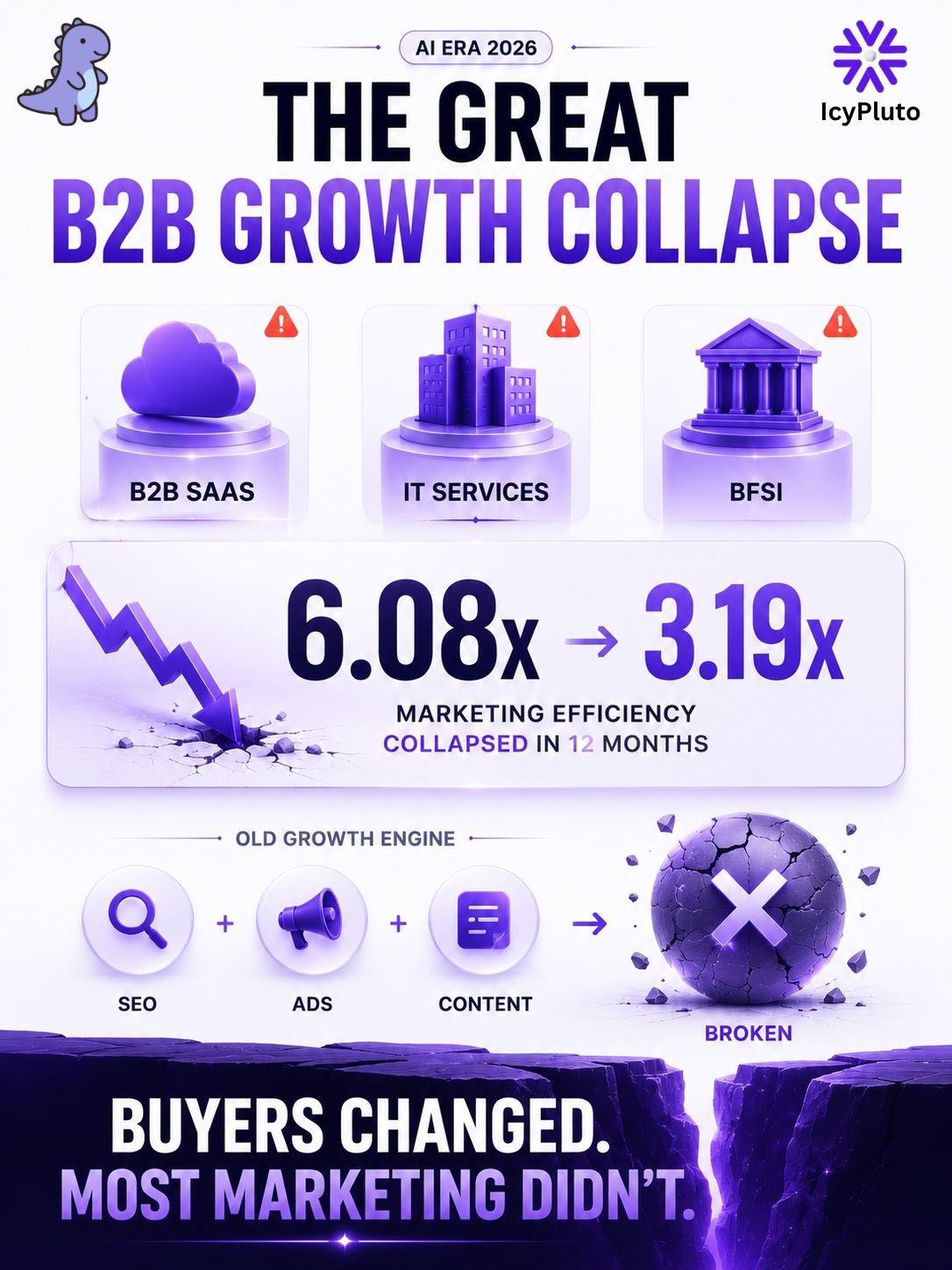
This hard-hitting blog reveals why IT, B2B SaaS, a...
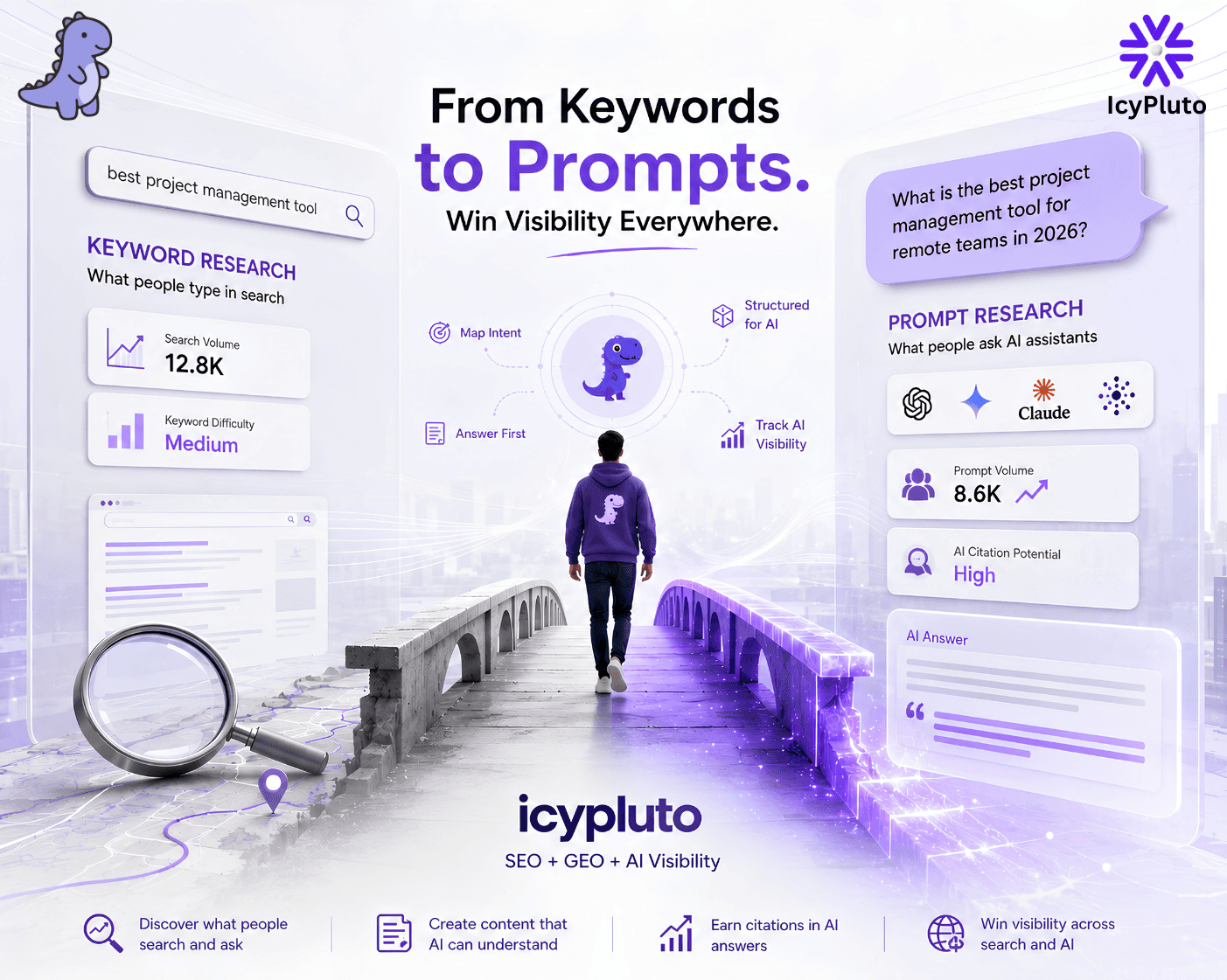
This blog explains how keyword research must now b...
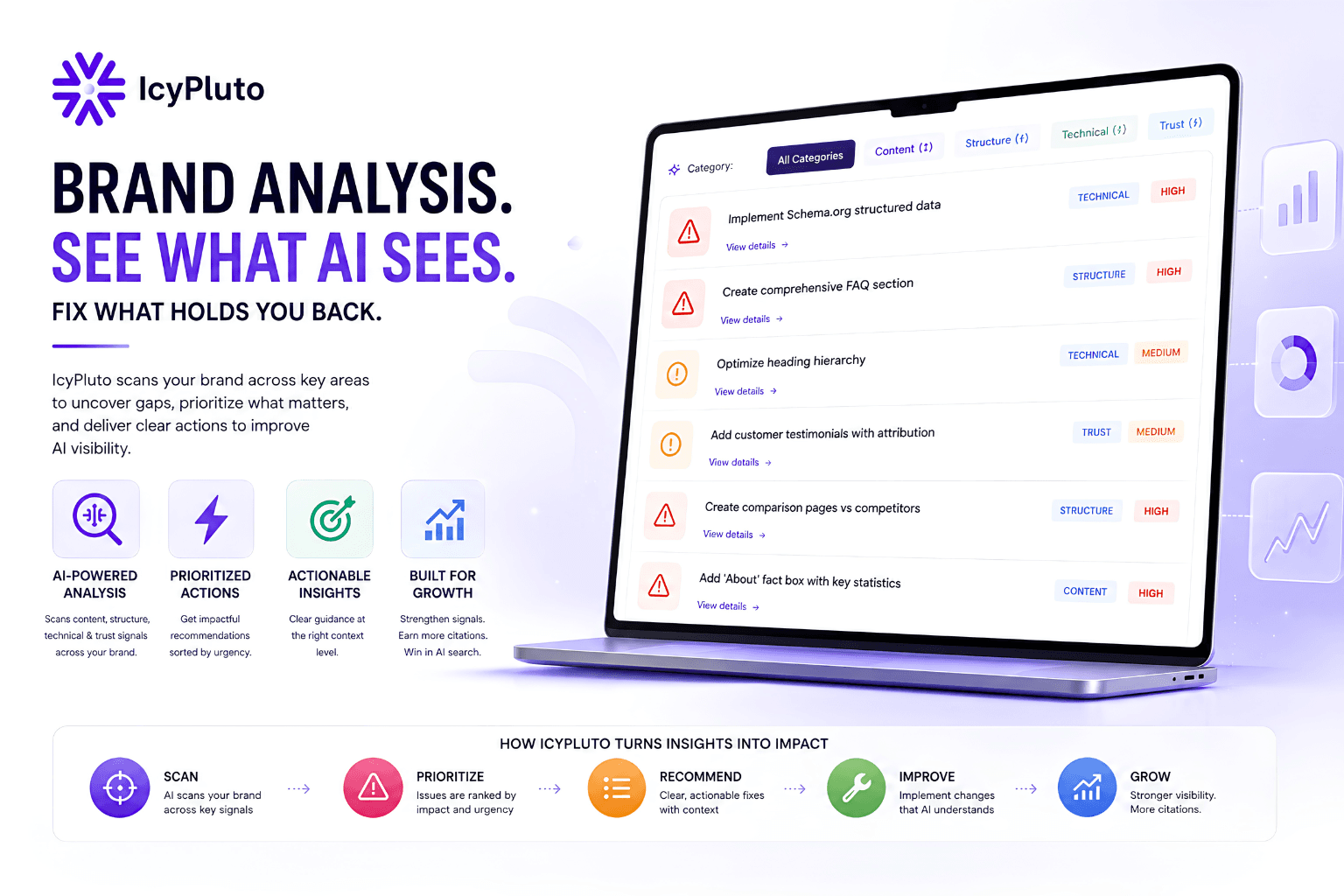
This blog explains why brands are losing visibilit...
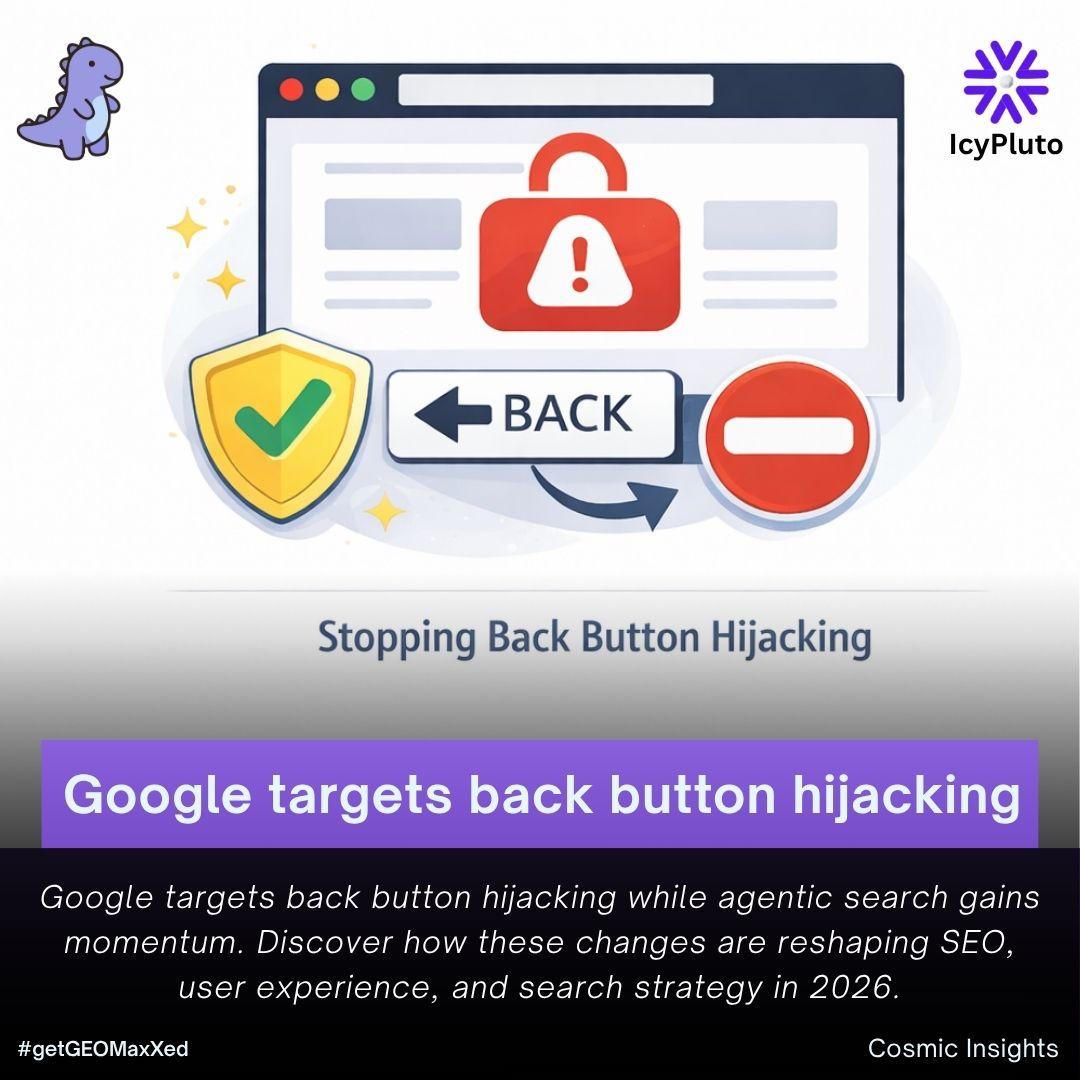
Search is no longer just about rankings, keywords, and backlinks. It is becoming an ecosystem shaped by user behavior, AI-driven interfaces, and stricter quality enforcement from Google. Recent updates highlight two major shifts that are quietly redefining SEO strategy. First, Google is cracking down on manipulative tactics like back button hijacking. Second, agentic search, powered by AI, is accelerating how users discover and interact with information.
These are not isolated updates. They signal a deeper transformation in how search engines evaluate trust and how users consume content. According to industry estimates, over 60 percent of searches now end without a click, largely due to AI summaries and enhanced SERP features. At the same time, Google continues refining its spam policies, removing billions of low-quality pages annually.
The implication is clear. SEO is no longer about visibility alone. It is about experience, intent alignment, and adaptability to AI-driven search behaviors.
Back button hijacking has been a persistent issue in the web ecosystem for years. It occurs when users click the browser’s back button but are redirected to unexpected pages, often ads or unrelated content. This tactic artificially inflates engagement metrics and traps users in frustrating loops.
Google is now actively addressing this behavior, reinforcing its commitment to user-first experiences. This move aligns with broader efforts to combat deceptive UX patterns, often referred to as “dark patterns.” Research suggests that nearly 70 percent of users abandon websites that exhibit intrusive or manipulative behavior, directly impacting trust and long-term brand perception.
From an SEO standpoint, this crackdown matters more than it appears. Google has consistently emphasized user satisfaction signals, including pogo-sticking and dwell time. If users feel trapped or misled, those signals deteriorate quickly. Websites using such tactics may see not only manual penalties but also algorithmic demotion.
More importantly, this update reinforces a key principle. Sustainable SEO cannot rely on manipulation. It must be built on genuine value delivery and seamless navigation.
User experience has evolved from a secondary consideration into a core ranking factor. Google’s continued focus on page experience signals, including Core Web Vitals, reflects this shift. But the crackdown on back button hijacking takes it further. It signals that behavioral trust is now being actively enforced.
Data from Google indicates that pages meeting Core Web Vitals thresholds see up to 24 percent lower bounce rates. Combine that with intuitive navigation and transparent interactions, and the impact multiplies. Users stay longer, engage deeper, and convert more effectively.
The deeper insight here is that SEO and UX are no longer separate disciplines. They are converging into a single strategy. A technically optimized page without a trustworthy experience will struggle to sustain rankings. Conversely, a user-centric experience can amplify even moderately optimized content.
This is where many brands fall behind. They still optimize for search engines first and users second. That model is becoming obsolete.
Agentic search represents the next evolution of search behavior. Instead of users manually browsing multiple links, AI agents perform tasks, synthesize information, and deliver direct answers. This goes beyond traditional search queries. It becomes an interactive, goal-oriented experience.
Recent data suggests that AI-assisted search usage has grown by over 40 percent year-over-year. Tools powered by generative AI are increasingly capable of executing multi-step tasks, from research to decision-making. This reduces the need for users to click through multiple websites.
For SEO professionals, this creates both a challenge and an opportunity. The challenge is obvious. Fewer clicks mean reduced traffic from traditional search. The opportunity lies in becoming a trusted source that AI systems reference and surface.
This shift demands a new approach to content. It is no longer enough to rank. Content must be structured, authoritative, and contextually rich enough to be selected by AI systems as a reliable source.
Agentic search changes the fundamental goal of content. Instead of driving clicks, content must now provide clear, extractable value. AI models prioritize information that is concise, well-structured, and backed by credible signals.
Studies show that content with clear headings, structured data, and factual depth is 2.5 times more likely to be featured in AI-generated responses. This means traditional long-form content needs to evolve. It should still be comprehensive, but also modular and easy to parse.
Another critical factor is authority. Google’s emphasis on E-E-A-T, experience, expertise, authoritativeness, and trustworthiness, becomes even more important in an AI-driven environment. Content that demonstrates real-world expertise and includes data-backed insights is more likely to be surfaced.
The non-obvious insight here is that branding plays a bigger role than ever. AI systems tend to favor recognizable, credible sources. Building topical authority is no longer optional. It is a competitive necessity.
Google’s crackdown on manipulative tactics and the rise of agentic search are not separate trends. They are interconnected. Both aim to improve user trust and streamline information access.
When Google eliminates deceptive practices like back button hijacking, it cleans the ecosystem. This ensures that AI systems trained on web data rely on higher-quality inputs. At the same time, agentic search reduces reliance on traditional browsing, making trust signals even more critical.
This creates a feedback loop. Better content leads to better AI outputs. Better AI outputs reinforce the importance of high-quality content. Low-quality or manipulative tactics are squeezed out of the ecosystem.
For marketers, this means the margin for error is shrinking. Short-term hacks are being replaced by long-term strategy.
The changes outlined above require a proactive response. Waiting for traffic drops before adapting is no longer viable. The pace of change in search is accelerating.
First, eliminate any UX practices that could be perceived as manipulative. This includes not just back button hijacking, but also intrusive pop-ups and misleading navigation. Trust is now a measurable ranking factor.
Second, invest in content depth and structure. Ensure every piece of content answers specific user intents clearly and comprehensively. Use data, examples, and expert insights to strengthen credibility.
Third, optimize for AI discoverability. This includes using structured data, clear headings, and semantic relevance. Content should be easy for both humans and machines to understand.
Finally, build topical authority. Focus on owning specific subject areas rather than spreading content too thin. Brands that dominate niches are more likely to be referenced by AI systems.
SEO is undergoing a fundamental transformation. It is no longer just about optimizing for search engines. It is about optimizing for the entire search experience, including AI interactions.
This shift requires a new mindset. Marketers must think beyond rankings and traffic. They must consider how users interact with information across multiple touchpoints, including AI-generated responses.
Data already shows that over 75 percent of users expect instant, accurate answers without navigating multiple pages. This expectation will only grow as agentic search becomes more advanced.
The brands that succeed will be those that adapt early. They will focus on trust, authority, and user experience. They will create content that not only ranks but also informs, engages, and gets selected by AI systems.
The crackdown on back button hijacking and the rise of agentic search are signals of a larger shift. SEO is becoming more sophisticated, more user-centric, and more integrated with AI.
This is not a minor update cycle. It is a structural transformation. The strategies that worked five years ago are rapidly losing relevance. The next phase of SEO will be defined by trust, experience, and adaptability.
For those willing to evolve, this is an opportunity. For those who resist change, it is a risk.
The question is no longer how to rank. It is how to remain relevant in a world where search itself is being redefined.